Lot No. LOT-6514 · offered October 13, 2026
Seeds, Crop Protection & FertilizerLot sheet
3,000 Seed Varieties Unveiled at Two Wuhan Industry Events
Roughly 3,000 new plant varieties went on display at two seed industry events in Wuhan, Ecns.cn reported, drawing Chinese seed developers, distributors and farm buyers to product launches across grain, oilseed and vegetable segments.
Market notes
- Two seed industry events in Wuhan showcased roughly 3,000 new plant varieties, per Ecns.cn
- Exhibitions covered grain, oilseed and vegetable crop segments
- Wuhan is the capital of Hubei province and sits on the middle Yangtze
- Source dispatch did not disclose event names, organizers or dates
- Buyers typically travel from Hubei, Henan, Anhui and Hunan for the regional shows
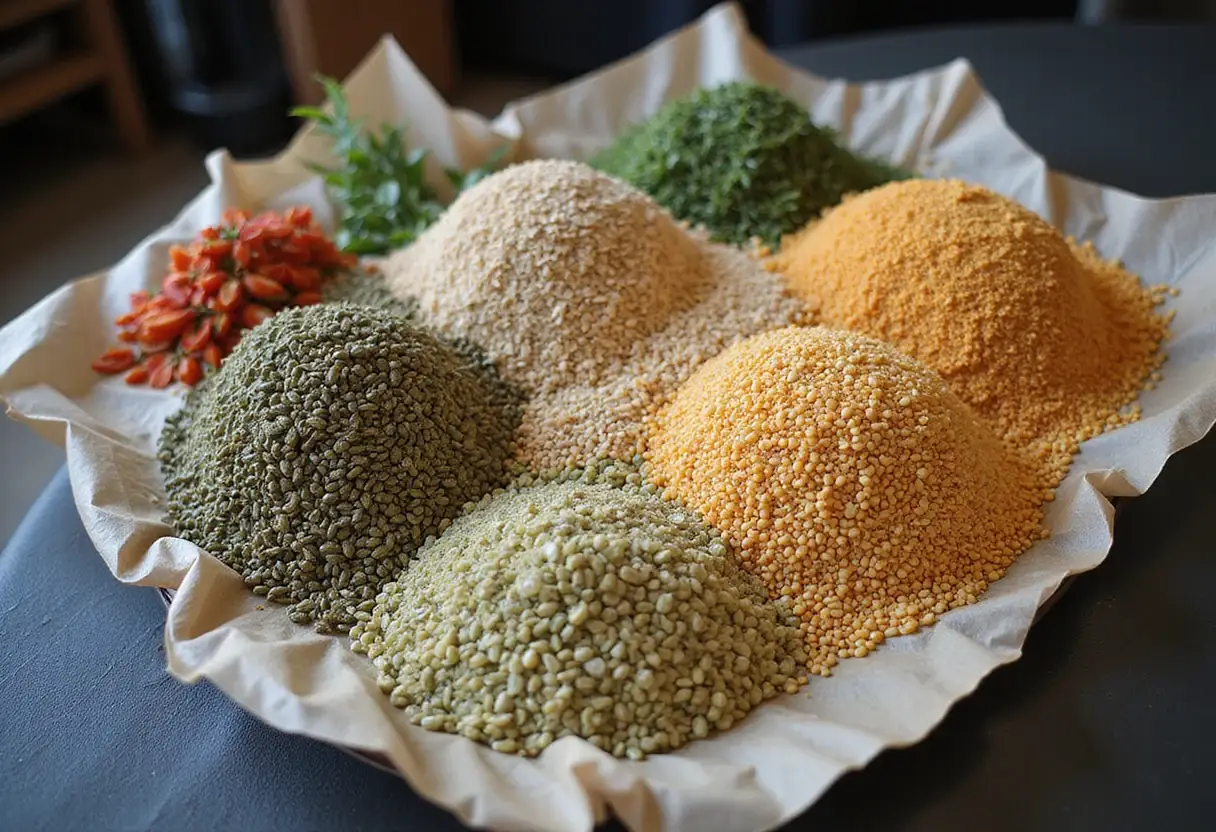
Two seed industry events in Wuhan put roughly 3,000 new plant varieties in front of breeders, distributors and farm buyers, Ecns.cn reported from the Hubei provincial capital.
The twin exhibitions drew Chinese seed developers and agricultural input dealers to product launches spanning grain, oilseed and vegetable crop segments, Ecns.cn, the English service of China News Service, said in its dispatch. Event titles, organizing entities, dates and per-variety performance data were not disclosed in the source report.
What the 3,000 varieties covered
Ecns.cn framed the count as newly bred cultivars displayed across both exhibition floors. The showcases span major row crops and specialty vegetables.
State-affiliated research institutes and private breeding companies supply most product introductions at Chinese seed trade events. Grain, oilseed and horticultural categories anchor the largest display sections.
Rice, corn, rapeseed, wheat and soybean hybrids draw the densest dealer traffic. Specialty vegetable, fruit, herb and forage lines round out the show floors at smaller scale.
Showcase totals reflect breeding activity, not commercial uptake. The gap between introductions and planted acres is where seed-marketing decisions land.
Why Wuhan
Wuhan sits at the center of the middle Yangtze, a recurring venue for national seed trade events. Provincial seed associations in Hubei have used the city for breeding forums and product launches for years.
The location pulls buyers from rice, corn and rapeseed plots across Hubei, Henan, Anhui and Hunan — a contiguous production corridor. Organizers favor Wuhan for exhibition space, hotel capacity and central rail access.
Distributors traveling from northern or southern China reach the city without major logistical cost. Accessibility drives attendance and shapes registration timing year over year.
How input buyers use the shows
Seed dealers and farm cooperative managers compare hybrid performance on yield, disease resistance and herbicide tolerance. Contract terms, royalty structures and exclusivity arrangements round out the deal at the booth.
Variety trials and side-by-side field demonstrations remain standard fixtures at Chinese seed trade events. Order books often close within weeks of trade-show launches, leaving farm cooperatives little time to negotiate.
Show-floor decisions cascade into spring planting logistics across the Yangtze corridor and southern rice belts. Trade-show timing compresses seed-purchase decisions into a narrow spring window.
What the pipeline figure signals
A 3,000-variety showcase is a benchmark of pipeline depth rather than a sales tally. Buyers leaving Wuhan will weigh which hybrids match local agronomic conditions, soil types and management practices before committing to seed for the upcoming planting season.
China's seed sector has expanded rapidly this decade, with both state institutes and private breeders increasing variety registrations. Hybrid corn and rice remain the largest volume categories by seed sales.
Vegetable and oilseed lines see steady breeder turnover, with newer hybrids replacing older commercial varieties each season. The turnover rate is a separate signal buyers track alongside raw introduction counts.
Domestic breeders across central China have stepped up hybrid turnover to match shifting disease and climate pressures along the Yangtze corridor. Pipeline expansion compresses product life cycles and tightens competition for shelf space at cooperatives.
Forward outlook
The Wuhan exhibitions arrive in the typical product-introduction window ahead of southern China rice transplanting and central China corn planting. Farm-level purchasing decisions follow within weeks.
New variety introductions this cycle will likely emphasize disease tolerance and heat-stress performance — agronomic traits buyers across the Yangtze corridor now rank above raw yield in most row crops.
The 3,000-variety count is the headline data point: deep pipeline, dense competition, narrow buying windows ahead.
via Google News: Seed industry (Source)
More from Grace Kim
Show full bio
Correspondent covering people, launches and day-to-day practice in Agribusiness coverage for industry professionals at Agribusiness Wire.
453 articles
Also in the yard
- Seed Industry Concentration Emerges in Changfeng County, Hefei
- China Targets Seed Industry Self-Reliance, Minister Says
- China unveils plant breeding IP framework to accelerate seed innovation
- China Declared Global Leader in Seed Industry Innovation
- Hainan Shennong Seed Industry Joins S&P Global BMI Index