Lot No. LOT-9169 · offered October 9, 2026
Trade & ExportsLot sheet
AD Ports Closes $835 Million CLI Deal to Ship Brazilian Farm Exports to Abu Dhabi
AD Ports has closed an $835 million agreement with CLI and plans direct shipments of Brazilian farm exports to Abu Dhabi, bypassing transshipment hubs.
Market notes
- AD Ports closed an agreement with CLI worth USD 835 million.
- The deal plans direct shipment of Brazilian farm exports to Abu Dhabi.
- Direct routings would bypass traditional transshipment hubs.
- The move aligns with UAE food-security strategy on staple supply chains.
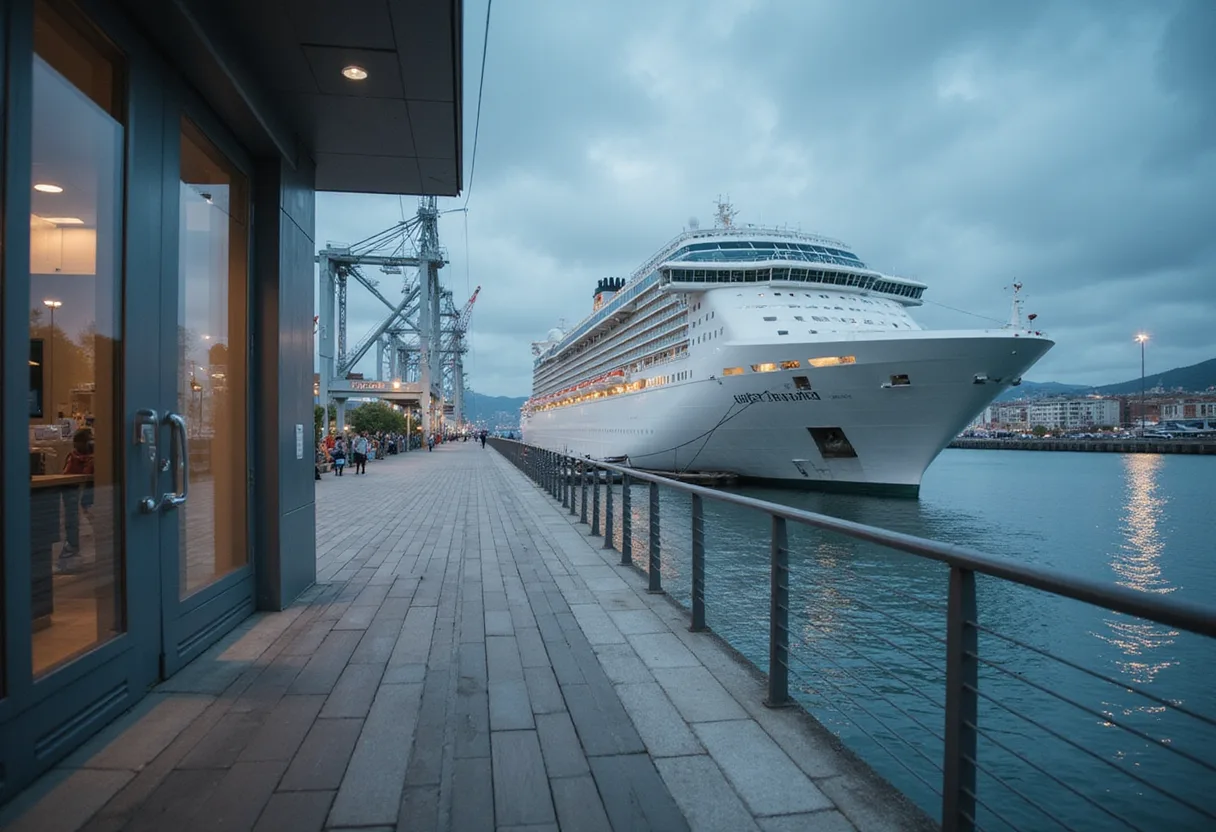
AD Ports Group has closed an agreement worth USD 835 million with CLI and plans to move Brazilian farm exports directly to Abu Dhabi, bypassing traditional transshipment routes, Enterprise AM reports.
The deal marks one of the largest single commitments by the UAE port operator tied to South American agri-logistics. For Brazilian growers and exporters, a direct corridor to Abu Dhabi could shorten delivery times and cut freight costs on shipments moving toward the Middle East, Asia and East Africa.
What does the deal cover?
Under the agreement, AD Ports secures capacity tied to CLI and establishes a framework for direct sailing of agricultural cargo from Brazil to the UAE capital. Key elements reported:
- A closed agreement valued at USD 835 million.
- A planned direct shipping link for Brazilian farm exports to Abu Dhabi.
- The arrangement positions Abu Dhabi as a gateway for agri-cargo rather than a transshipment hub fed by third-party routings.
The headline figure makes this a materially large transaction by Gulf maritime standards. AD Ports has been expanding aggressively beyond its home market, and Brazil — the world's top exporter of soybeans, corn, beef and sugar — offers the backhaul volumes that Gulf port operators need to fill terminal capacity.
Why does a direct Brazil–Abu Dhabi route matter for exporters?
Brazilian farm exports today move toward Gulf and Asian buyers largely through transshipment at hubs such as Jebel Ali, Jeddah and Mediterranean and transatlantic relay ports. A direct service changes the economics in three ways:
- Fewer port calls reduce dwell time and demurrage exposure for bulk and containerized agri-cargo.
- Shorter routings trim freight costs per tonne, which feeds directly into exporter basis.
- Predictable direct sailings improve delivery scheduling for grain traders managing vessel laycans.
For Brazilian cooperatives and trading houses, freight is a decisive share of delivered cost. Any structural reduction in voyage time to Gulf buyers strengthens the margin between FOB Paranaguá or Santos prices and CFR destinations in the region.
How does this fit AD Ports' expansion strategy?
The USD 835 million agreement signals that AD Ports is willing to commit capital to lock in agri-cargo flows rather than compete port by port for spot volumes. Brazil's record farm output and export volumes have made South America a priority theater for Gulf logistics operators seeking food-security-linked trade.
Abu Dhabi, through its food-security programs, has long sought guaranteed supply chains for staples. Direct control over the maritime leg from Brazil gives the UAE a firmer grip on shipment timing and volume — a policy objective as much as a commercial one.
What comes next?
Enterprise AM reports the agreement is closed and the direct shipping plan is in place, though sailing schedules, port pairings and cargo volumes for the new corridor have not been detailed. Brazilian exporters and Gulf buyers will be watching for the first direct sailings and the freight rates AD Ports prices against existing transshipment routings.
via Google News: Agricultural trade (Source)
More from Marcus Bennett
Show full bio
Senior reporter covering regulation, policy and their impact on Agribusiness coverage for industry professionals at Agribusiness Wire.
413 articles
Also in the yard
- U.S.-China trade pact could reroute Brazilian farm exports
- Brazil Election Emerges as Pivot for Global Agricultural Trade Flows
- Fertilizer Prices Surge as Hormuz Disruptions Tighten Supply
- China's New US Farm Purchases Raise Global Trade Questions
- Panama Canal Capacity Squeeze Lifts Freight Costs for U.S. Farm Exports