Lot No. LOT-8930 · offered October 9, 2026
Seeds, Crop Protection & FertilizerLot sheet
Africa's Crop Protection Sector at Pivotal Crossroads
AgriBusiness Global's headline frames Africa's crop protection market as entering a new era marked simultaneously by opportunity and uncertainty, with implications for input costs, farm margins and distribution strategy across the continent.
Market notes
- AgriBusiness Global published the analysis under the headline 'Africa's Crop Protection Market Enters a New Era of Opportunity and Uncertainty'
- The framing characterizes opportunity and uncertainty as simultaneous market features rather than sequential phases
- African crop protection market operates at the intersection of smallholder agriculture and multinational input supply chains
- Key regulatory and operating jurisdictions named in broader coverage include Kenya, South Africa, Egypt, Morocco, Côte d'Ivoire and Nigeria
- Input costs for crop protection products directly affect farm margins on maize, cocoa, coffee, cotton and horticultural crops
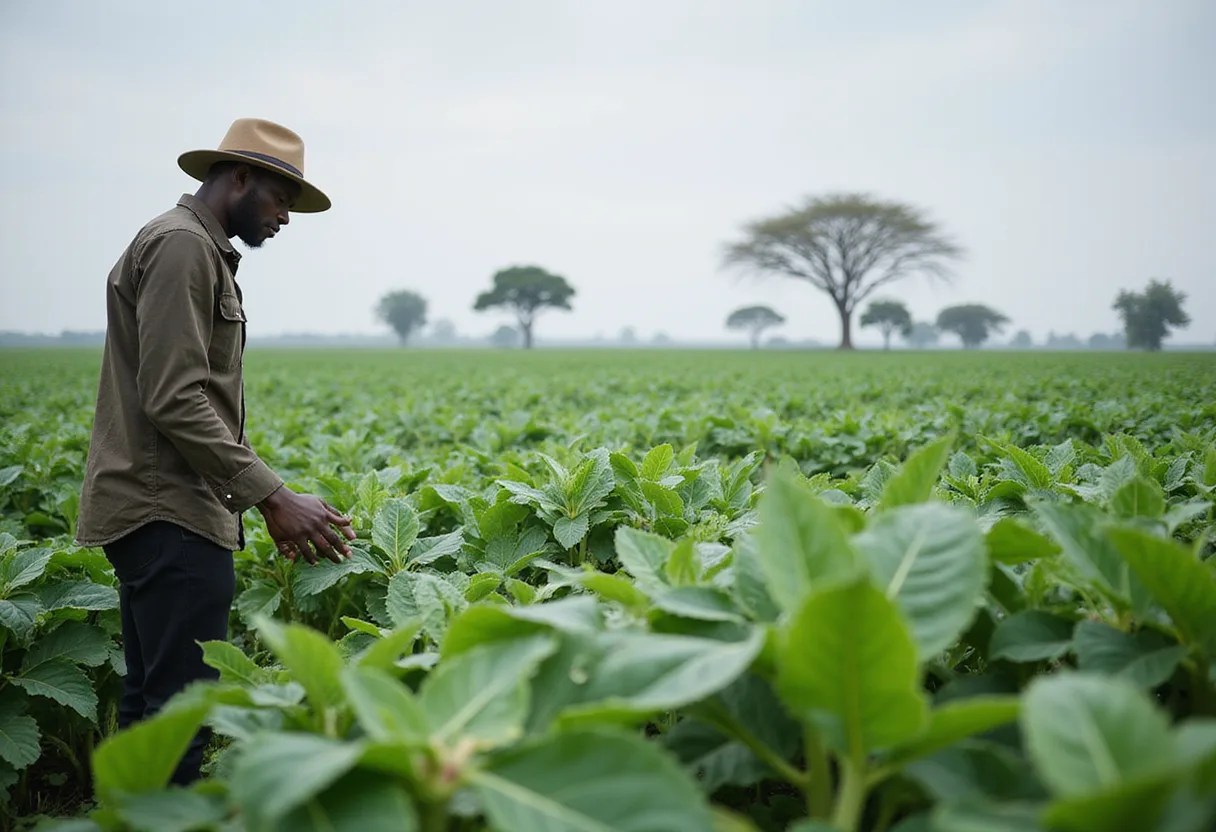
Africa's crop protection industry is entering a period defined simultaneously by opportunity and uncertainty, the headline of an industry analysis published by AgriBusiness Global.
The trade publication's framing — "Africa's Crop Protection Market Enters a New Era of Opportunity and Uncertainty" — points to a sector where input manufacturers, distributors and growers face overlapping tailwinds and headwinds that will shape margin and acreage decisions across the continent.
What does the headline signal about market direction?
The dual characterization suggests the underlying analysis weighs structural growth drivers against material risks that could reshape the continent's agrochemical supply chain. Africa's crop protection market sits at the intersection of smallholder agriculture, which dominates the continent's farming base, and a multinational input industry that supplies active ingredients, formulated products and technical expertise. Decisions on registration, pricing, distribution and product mix flow directly into farm-level input costs, which in turn shape margins for maize, cocoa, coffee, cotton and horticultural producers operating on thin baselines.
Where do the opportunities sit?
The opportunity framing aligns with demographic and consumption trends: a growing population, expanding middle class and rising food demand enlarge the addressable market for crop protection inputs. African governments and development finance institutions have pressed for productivity gains, often framed around closing the yield gap between continental and global averages. For agrochemical companies, distribution expansion into under-served rural areas and the introduction of formulations tailored to smallholder economics represent growth vectors that operate independently of any single season's weather outcome.
What pressures drive the uncertainty?
Countervailing pressures typically include currency volatility affecting input affordability at the farmgate; regulatory shifts around pesticide registrations and active-ingredient approvals; resistance-management challenges in key cropping systems; counterfeit product penetration that erodes both efficacy and brand value; and the capital intensity of building last-mile distribution networks in remote geographies. For input makers operating across multiple African jurisdictions, each regulatory regime carries its own data requirements and renewal cycles that affect product launch timing and inventory planning.
How should operators read this signal?
The headline treats opportunity and uncertainty as features of the same market moment rather than alternating phases. The specific data points in the full AgriBusiness Global report — market sizing, segment growth rates, country-level breakdowns and company positioning — will determine how individual operators calibrate the balance.
For growers, cooperatives and input makers across the continent, the framing underscores the need to track both demand signals and risk indicators as the market moves through this transitional period, with the next registration cycle and the next currency move likely to set the near-term tone.
via Google News: Crop protection (Source)
More from Olivia Hart
Show full bio
News editor covering technology and product news in Agribusiness coverage for industry professionals at Agribusiness Wire.
420 articles
Also in the yard
- Southern African Ag Trade: Analyst Warns Against Friction
- SADC Delegates Set 10-Year Course for Regional Farm Trade
- IPM in Africa: Five Shifts Crop Protection Firms Must Make for Growers
- Africa Buys 40% of South Africa's Surging Farm Exports
- AgriBusiness Global Maps Entry Routes Into Morocco Crop Protection Market