Lot No. LOT-6806 · offered October 18, 2026
Crop EconomicsLot sheet
Ag Retailers Positioned as Guides in Crop Diversification Push
CropLife publishes Idealyst Innovation CEO Brett Sciotto's case for retailers guiding growers past corn and soybeans — with market, risk and margin claims but no supporting numbers.
Market notes
- CropLife published a management article by Idealyst Innovation CEO Brett Sciotto on growers diversifying beyond corn and soybeans.
- The piece frames retailers' role around three tasks: assessing new markets, managing production risk, and improving farm profitability.
- The published summary contains no acreage, price, margin or regional data supporting the profitability claims.
- Agribusiness Wire could verify only the article summary; no survey methodology or case-study data is disclosed.
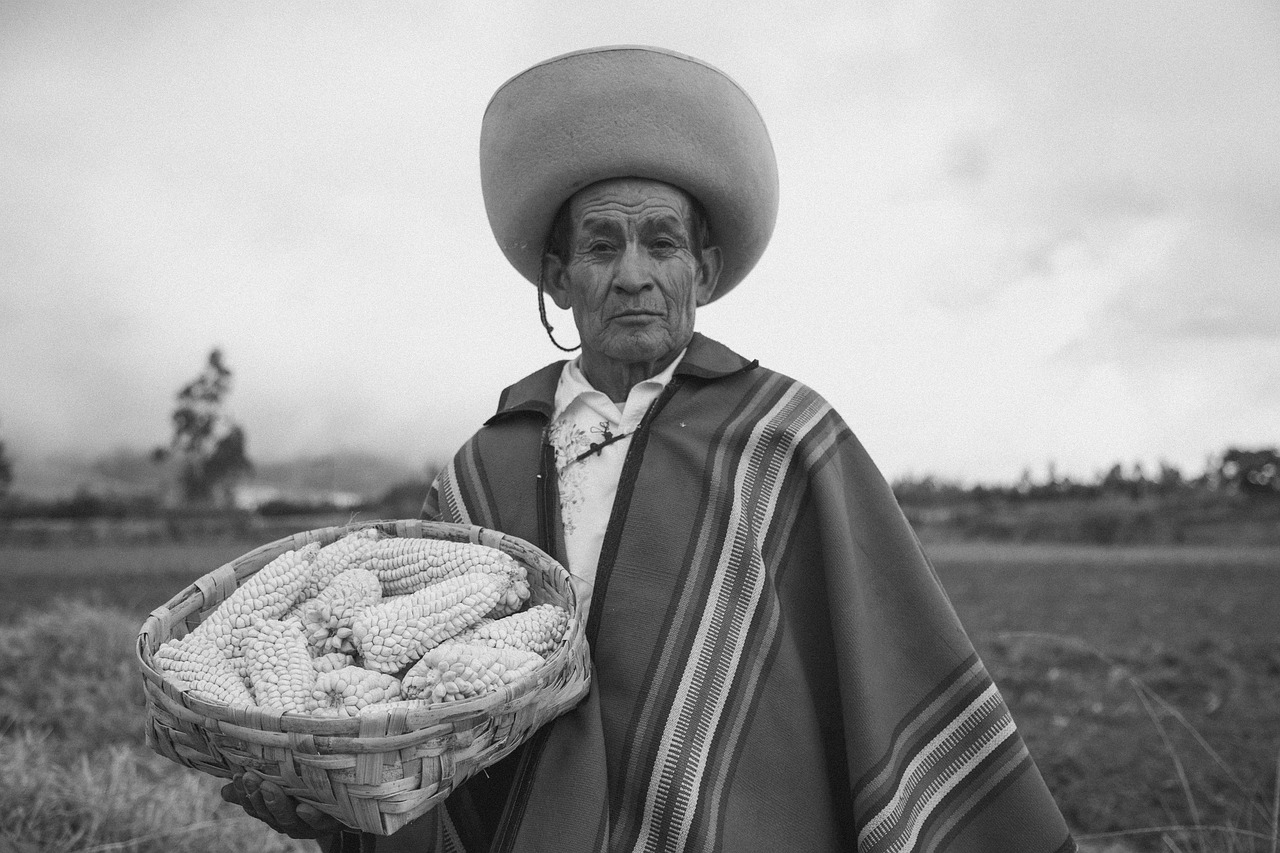
CropLife has published a management piece by Idealyst Innovation CEO Brett Sciotto arguing that agricultural retailers should help growers move beyond corn and soybeans — a claim that arrives without a single acreage, price or margin figure attached.
The article, which appeared on the CropLife website, frames diversification as a three-part opportunity for retailers: assessing new market opportunities for farmers, managing production risks, and improving farm profitability. That is the whole of the verifiable content. What Sciotto's argument does not include is equally telling: no named crops, no benchmark budgets, no reference states, and no grower examples.
What does the piece actually claim?
Sciotto's core proposition is that the retailer — the input seller at the counter — is the natural advisor when a grower weighs a rotation change. The piece casts retailers as guides who can help farmers evaluate unfamiliar markets before they commit land, seed and chemistry to them.
Three duties come through in the summary CropLife released:
- Market assessment: screening which alternative crops carry real demand, not just agronomic feasibility.
- Risk management: addressing the production unknowns — pests, fertility, harvest logistics — that come with any crop a grower has not raised before.
- Profitability: tying the switch back to whole-farm margins rather than gross revenue per acre.
The framing is sound as far as it goes. The gap is that the public summary offers no data to test any of the three claims against.
Why the topic lands now
The context is real even if the piece cites no numbers. Corn and soybeans dominate U.S. row-crop acreage, and diversification talk tends to resurface whenever input costs squeeze margins on the two majors. Fertilizer, seed and crop-protectant budgets, not enthusiasm, usually decide whether a third crop enters a rotation.
That is precisely where a retailer's advice faces a conflict-of-interest question the CropLife summary does not address. A retailer selling corn seed and soybean chemistry earns less when a grower shifts acres to a crop the retailer may not stock. Sciotto's argument assumes the retailer's incentives align with the grower's; the piece, at least in its summary form, never stress-tests that assumption.
There is also a methodology hole. Sciotto heads Idealyst Innovation, but the available text does not say whether the company drew on survey data, grower interviews or consulting work to support the recommendations. Readers cannot tell whether the advice reflects measured behavior or market positioning.
What is not in the article
A careful read of what CropLife published raises more questions than the summary answers:
- Which alternative crops does Sciotto mean — small grains, pulses, cover-crop seed, specialty crops? The summary names none.
- What does "improved profitability" mean in dollars per acre, and against what corn-soybean baseline? No baseline appears.
- Which regions and operation sizes fit the advice? None are identified.
- What production risks top the list for first-time growers of an unfamiliar crop? The summary stays general.
Until those blanks are filled, the piece functions as a conversation starter for the retail channel, not as evidence that diversification pays.
The takeaway for the supply chain
For retailers, the message is a business-case pitch: position yourself as the adviser on crop mix, not just the seller of inputs for the incumbent two-crop rotation. For growers, the message is thinner — diversify, but with no numbers to show when or where it works.
Agribusiness Wire could not independently verify the full article's contents beyond the summary CropLife distributed, and the piece carries no harvest results, trial data or third-party review to check its profitability claims against.
Watch for whether Sciotto or Idealyst Innovation releases supporting figures — acreage shifts, margin comparisons or regional case studies — as the 2026 season develops.
via idealystinnovation.com (Original)
More from Olivia Hart
Show full bio
News editor covering technology and product news in Agribusiness coverage for industry professionals at Agribusiness Wire.
441 articles