Lot No. LOT-7778 · offered October 16, 2026
Farm MachineryLot sheet
Aging farm equipment fleet sets stage for machinery market recovery
Farm Progress reports aging equipment could trigger farm machinery market recovery, identifying fleet age rather than commodity prices or credit conditions as the catalyst for the next replacement cycle.
Market notes
- Farm Progress reports aging equipment could trigger machinery market recovery
- Fleet age is identified as the catalyst rather than commodity prices or credit conditions
- Producers kept older machines running as dealers watched order intake thin and manufacturers cut production
- The recovery thesis points to deferred purchases accumulating through tight-margin seasons
- The report does not specify how soon the fleet-age trigger converts into new orders
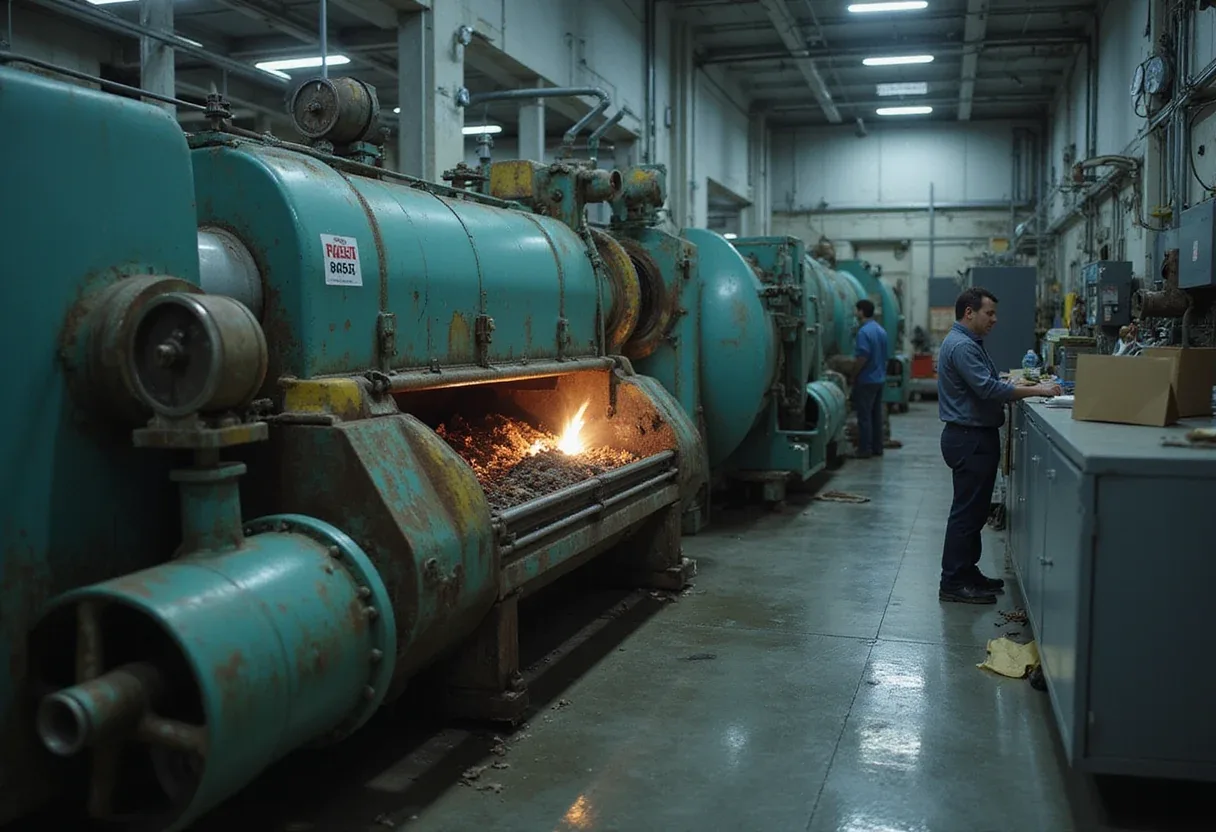
Farm Progress reports that aging equipment could trigger machinery market recovery, identifying fleet age as the catalyst rather than commodity prices or credit conditions.
A combine rolls across a Midwestern cornfield, its service intervals stretched longer than the operator would prefer. The scene repeats across thousands of farms holding older iron. Each deferred purchase during tight-margin seasons now sits on the industry's replacement ledger.
What does the headline finding change for the machinery market?
The premise rests on a measurable shift. Producers kept older machines running through several tight-margin years. Dealers watched order intake thin in response. Manufacturers cut production runs to match softer demand. Now, the aggregate effect of those deferred purchases produces a measurable replacement queue across the dealer network.
The catalyst, by Farm Progress's reporting, is the passage of time rather than any single market variable. Equipment deferred in earlier seasons reaches the end of its working life. Across thousands of operations, that aging curve points in the same direction. The fleet has gotten older while the equipment cycle continued around it.
What does this change for equipment buyers?
It changes the timing of capital purchases. If demand rebuilds, dealers face thinner inventory. Lead times on new units could lengthen into the next sales season. Pricing leverage shifts away from buyers and toward sellers. The math changes for any operation planning a major outlay in the coming planning cycles.
The recovery thesis carries counterweights. Commodity downturns, interest rate movements, and trade disruptions all shape purchase decisions in ways fleet age cannot predict. Fleet age alone does not force a sale. A producer running an older combine must weigh repair costs against financing costs, tax considerations, and yield risk from outdated precision-ag components.
What signals will the industry track?
Observers will watch several indicators in coming months. Order intake reports from major manufacturers, dealer survey results, and used-equipment auction trends will indicate whether demand is rebuilding. Each data point narrows or widens the recovery thesis in the next reporting cycle.
For growers, the practical question is timing. Replacement during a soft market offers negotiating leverage on price and trade-in value. Waiting through a recovery narrows that leverage. The decision depends on each operation's tolerance for downtime, repair expense, and capital allocation priorities across the next planting cycle.
How does this ripple beyond the dealership lot?
The broader input supply chain depends on machinery demand. Parts suppliers, fuel distributors, and equipment financiers all feel the effect from dealer lot activity. A sustained recovery extends beyond the original equipment manufacturer into adjacent agribusiness segments. A stalled recovery leaves those markets without their expected tailwind through the next sales season.
Farm Progress identified fleet age as the trigger. The report did not specify how soon the trigger fires. The finding offers a hypothesis rather than a verdict, framing the question without resolving it for the industry.
Will aging fleets translate into sales?
Growers, dealers, and lenders will read the same finding and reach different conclusions. Each carries a different position on what recovery means for the operation's bottom line in the year ahead. The headline produces a shared question and divergent answers across the equipment sector.
The forward question remains open. Will aging fleets translate into orders, or will tight margins keep capital purchases on hold through another planning cycle? The next equipment sales season will provide the first concrete answer.
via Google News: Farm equipment (Source)
More from Marcus Bennett
Show full bio
Senior reporter covering regulation, policy and their impact on Agribusiness coverage for industry professionals at Agribusiness Wire.
408 articles