Lot No. LOT-8343 · offered October 16, 2026
Farm MachineryLot sheet
AgWeb Maps Where US Farm Equipment Actually Gets Built
AgWeb's new feature traces where US farm equipment is built — a question that increasingly shapes parts lead times, dealer stock and tariff exposure for growers.
Market notes
- AgWeb published a feature titled "From the Factory to Your Fields: Where Farm Equipment Is Made"
- The piece maps where farm machinery is manufactured and how it reaches US fields
- Equipment origin affects parts lead times, dealer inventory and tariff exposure
- Agribusiness Wire has not verified specific plants or figures cited in the original article
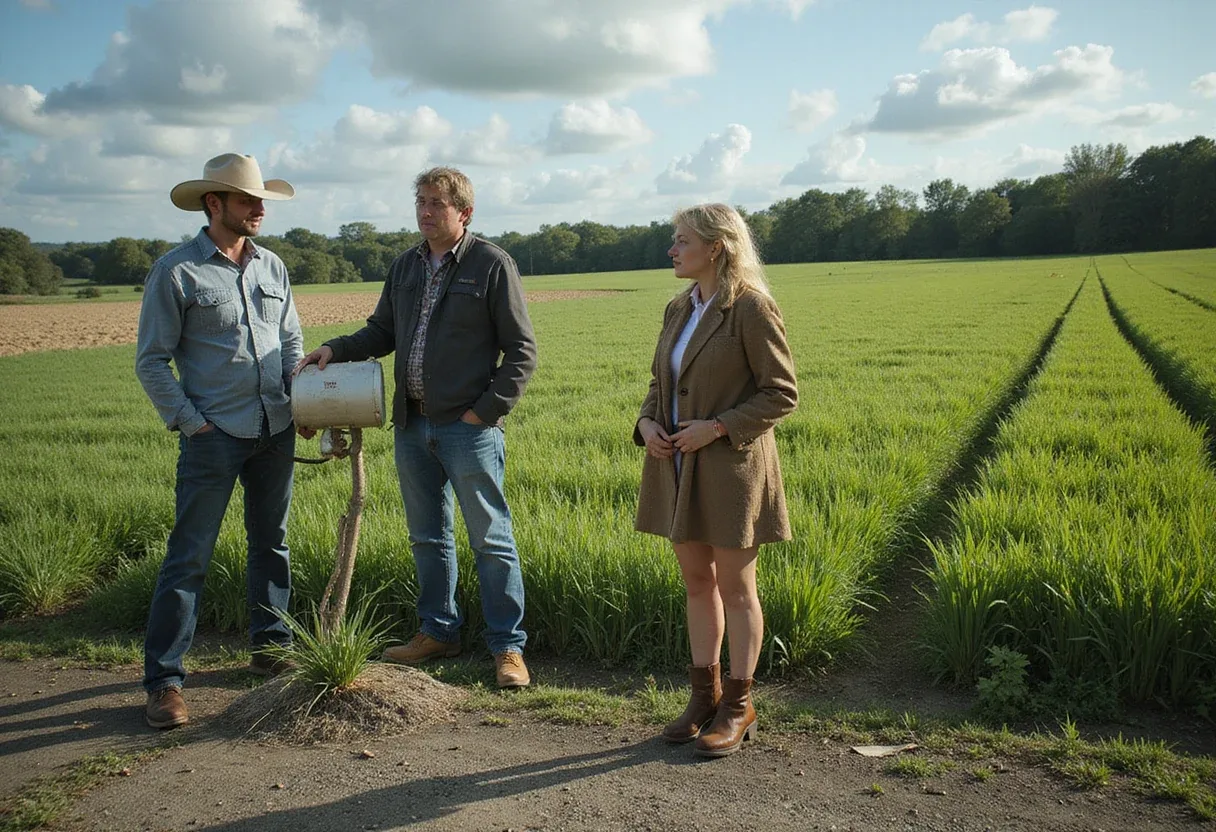
AgWeb has published a feature, "From the Factory to Your Fields: Where Farm Equipment Is Made," tracing where the tractors, combines and implements US growers run each season actually come off the line.
That's the whole hook, and it's a good one. Origin matters right now. Where a machine is assembled drives parts lead times, dealer stock and — increasingly — what a tariff bill does to the sticker price at your local branch.
What does the story cover?
The AgWeb piece walks readers through the manufacturing geography behind farm machinery: which factories build the equipment, and how those machines reach fields. It's a supply-chain explainer aimed directly at producers, not a policy brief or a product review.
The title tells you the framing. Factory first. Field second. The gap between the two is where growers live — freight, markup, waiting on a backordered header.
Why origin questions hit farm margins
Equipment is typically the second- or third-largest line item on a row-crop budget after land and inputs, depending on operation size and financing structure. That's why a story about factory locations isn't trivia for the coffee shop.
When assembly happens offshore, or when components cross borders before final assembly, several things move at once:
- Parts availability stretches or shrinks around shipping windows
- Currency shifts quietly reprice imported models
- Trade actions can land on specific origin points, not brands
- Dealer inventory reflects factory scheduling months earlier
Growers who know where their iron is built can time purchases around those pressures. Growers who don't, pay the spread.
A word on what we know — and don't
Agribusiness Wire has not independently verified the specific plants, brands or figures cited in the AgWeb feature; the article reached us through an aggregated feed without its full body text. We're flagging that plainly, because our standard practice is to check company production claims against survey methodology and reporting windows before we print them as settled fact.
What we can confirm: AgWeb, the farm media arm associated with Farm Journal, published the piece, and its subject — equipment manufacturing origin — sits squarely in the current conversation about input costs, parts availability and trade exposure.
What does this change for buyers?
Practically, nothing yet — this is a mapping exercise, not a policy event or a product launch. No subsidy figure, no price change, no acreage shift rides on it.
But the questions it raises are the ones worth asking before a signature: where is this machine built, where do its critical parts come from, and what happens to my downtime if that corridor slows down?
Readers wanting the factory-by-factory detail should go to the AgWeb feature directly. We'll follow up if the piece surfaces specific plant locations, capacity numbers or sourcing shifts that move the needle on equipment budgets — and we'll put those numbers at the top of the story when we do.
via Google News: Farm equipment (Source)
More from Nathan Brooks
Show full bio
Staff writer covering regulation, policy and their impact on Agribusiness coverage for industry professionals at Agribusiness Wire.
463 articles