Lot No. LOT-4051 · offered October 13, 2026
Agricultural PolicyLot sheet
American Farmland Trust: 300 Million Acres Set to Change Hands
American Farmland Trust estimates 300 million acres of U.S. farmland will change hands in 20 years, as the farm count has fallen from 5.4 million in 1950 to under 2 million today.
Market notes
- American Farmland Trust estimates nearly 300 million acres of U.S. farmland will change hands over the next two decades
- The 2022 Census of Agriculture counted fewer than 2 million U.S. farms, down from 5.4 million in 1950
- Developed land has grown by 48 million acres since 1982, roughly the area of Nebraska
- In Iowa, more than half of Beginning Farmer Tax Credit participants gave a beginning farmer a break on price or rent
- Author Jessie Bough is a fifth-generation Montanan studying at Stanford and working at PERC's Conservation Innovation Lab
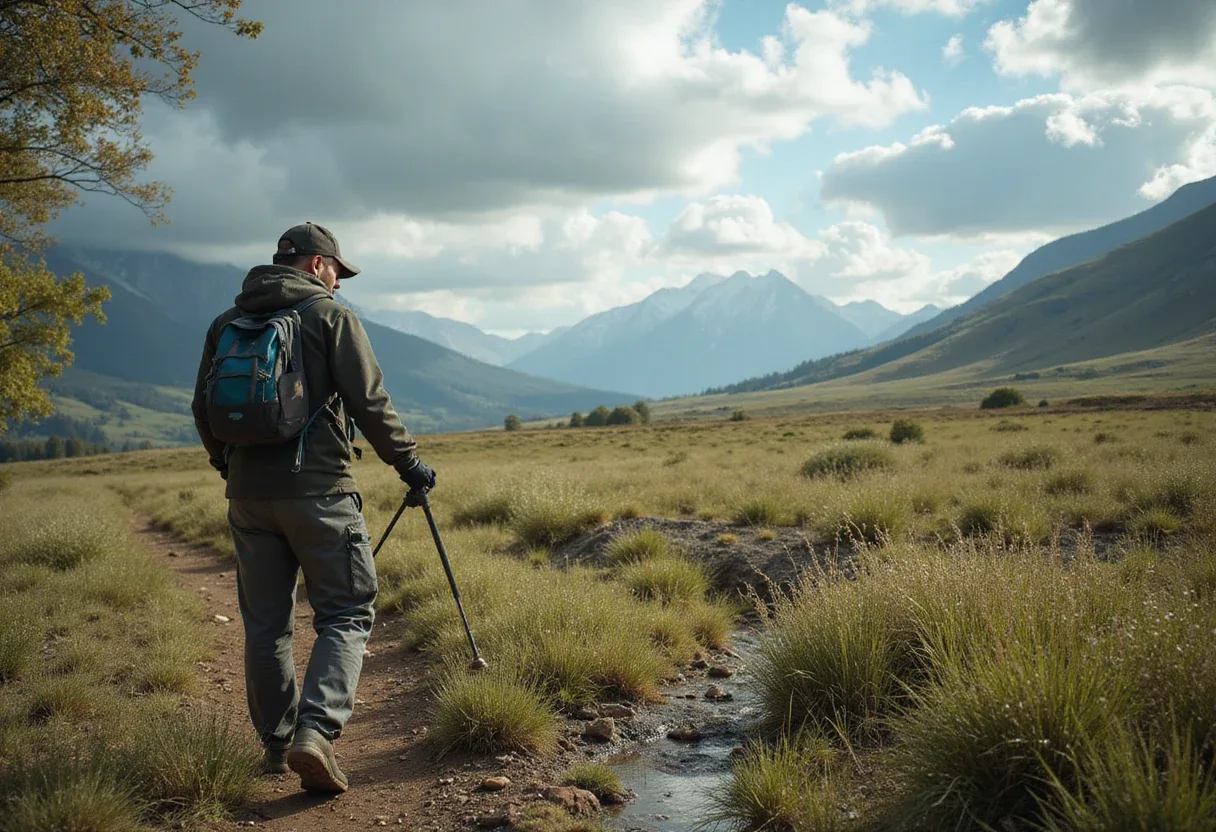
Nearly 300 million acres of U.S. farmland will change ownership in the next two decades, according to American Farmland Trust estimates cited in a new opinion essay. That scale of transition, layered onto a country that has already lost nearly 3.5 million farms since 1950, has sharpened the debate over whether conservation policy can keep working lands working.
The essay comes from Jessie Bough, a fifth-generation Montanan who now works at PERC's Conservation Innovation Lab while studying sustainable food and agriculture at Stanford University. Bough frames the issue from a family vantage point she knows well.
A farm that nearly did not make it
Her grandparents' operation sits outside Highwood, Montana. Five generations of her family have drawn income from that ground. Bough spent part of every summer there as a child, calling the place "Grandpa Camp."
The farm looked permanent to her as a girl. It was not. When family operations fail, Bough argues, the consequences extend beyond the household. Land exits agriculture, and once it is sold or subdivided, its capacity to grow food and host wildlife disappears for good.
What does the farmland decline actually look like?
The 2022 Census of Agriculture counted fewer than two million farms nationwide, less than half the 5.4 million tallied in 1950. Developed land has expanded by 48 million acres since 1982, an area roughly the size of Nebraska.
Margins are thin. Land values tied to development frequently outpace what farming alone can earn. The next generation often cannot afford to buy in. The result is sale, subdivision, or fragmentation.
Why conservationists should care about farm income
Working landscapes sustain wildlife that subdivisions cannot. The greater sage grouse depends on sagebrush in the West. The monarch butterfly relies on milkweed in Midwestern cropland. The New England cottontail needs dense shrubland in the Northeast.
Soils on working farms absorb rainfall and store carbon. Keeping those benefits requires keeping farm operations solvent. Bough finds her common ground with conservationists on that single point.
Can conservation pay the bills?
Bough points to revenue tools now reaching landowners across regions and production systems:
- Ranchers in parts of the West receive payments for providing elk habitat during migration season.
- Virtual fencing protects riparian corridors at lower cost than permanent structures.
- Risk-sharing programs offset livestock disease losses for participating producers.
- Transferable conservation easement tax credits have shifted benefits toward low- and middle-income owners, per research she cites.
- Beginning Farmer Tax Credits give sellers and landlords a direct financial reason to work with new entrants.
Bough wrote that "undertaking conservation actions on their land can be a source of income to producers, not a burden." In Iowa, more than half of landowners who used the Beginning Farmer Tax Credit said it led them to offer a reduced price or rent to a beginning farmer. That is the kind of measurable margin change family operations can plan around.
What does this change for a multigeneration farm operator?
It reframes conservation as a revenue line, not a compliance cost. A rancher who earns an elk habitat payment keeps open ground that a developer would otherwise have bid up. A landowner who sells a transferable easement tax credit can finance a down payment for a returning child.
Bough does not claim conservation financing will solve every challenge facing agriculture. Farm succession also depends on family decisions no policy can dictate. She still calls keeping farms solvent one of the most practical tools conservationists have to preserve both land and the people who tend it.
The next two decades of ownership turnover will test that premise across nearly 300 million acres. The shape of working lands in 2045 depends on whether farm balance sheets can carry the weight of conservation.
via perc.org (Original)
More from Marcus Bennett
Show full bio
Senior reporter covering regulation, policy and their impact on Agribusiness coverage for industry professionals at Agribusiness Wire.
410 articles