Lot No. LOT-6841 · offered October 9, 2026
Seeds, Crop Protection & FertilizerLot sheet
BASF Confirms Opening of Fermentation Plant for Crop Protection
BASF has commissioned a new fermentation plant dedicated to crop protection production, per a brief announcement carried by CHEManager. Location, capacity, and investment figures were not included.
Market notes
- BASF has opened a fermentation plant dedicated to crop protection, per CHEManager.
- Source announcement does not disclose plant location, nameplate capacity, capital outlay, or product categories served.
- Fermentation-based crop protection relies on microbial cultivation to produce active ingredients used in agricultural pest and disease management.
- Fermentation inputs typically include sugar or glucose substrates plus energy for bioreactor temperature and agitation control.
- Detailed capacity, site, and product-portfolio specifications from BASF are expected in forthcoming corporate communications.
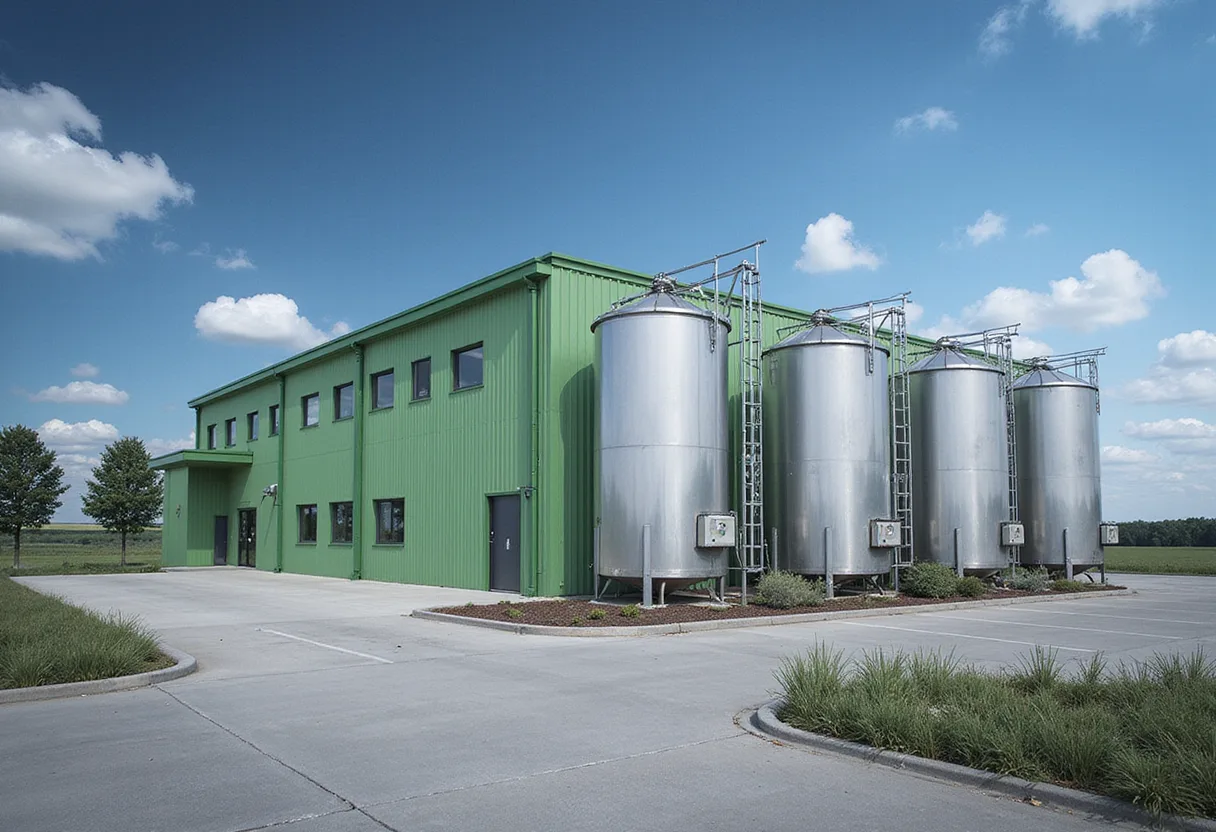
BASF has commissioned a new fermentation plant dedicated to crop protection production, according to a brief announcement carried by CHEManager.
The facility adds bioprocessing capacity to the company's crop protection manufacturing network, joining a small but growing set of fermentation-based production assets operated by major agrochemical suppliers as they scale biological active ingredients alongside traditional synthetic chemistries.
The announcement received did not specify the plant's location, nameplate capacity, capital outlay, or the crop protection product categories it will serve. Those figures typically follow in company press releases or follow-up trade coverage.
What is fermentation-based crop protection?
Fermentation processes produce microbial active ingredients and certain biochemical intermediates used in agricultural pest and disease management. Unlike fully synthetic chemistries, these products rely on cultivating microorganisms — bacteria, fungi, or yeast — that generate the active compound through controlled biological reactions.
Major agrochemical companies have been investing in fermentation capacity to support demand for biological alternatives and integrated pest management programs. Bioreactors convert carbohydrate feedstocks into formulated or purified active ingredients at industrial scale.
What remains undisclosed?
The announcement carried by CHEManager provides no information on:
- Geographic location of the new plant
- Production volume or annual capacity
- Total capital investment
- Specific active ingredients to be produced
- Construction timeline or commissioning date
- Direct or indirect employment at the site
Without those figures, the strategic significance of the plant — whether it represents a marginal capacity addition or a step-change in biologicals output — cannot be assessed from the announcement alone.
Why it matters for input costs
Fermentation-derived active ingredients typically carry different cost structures than fully synthetic molecules. Inputs include fermentation substrates such as sugar or glucose, energy for bioreactor temperature and agitation control, and downstream purification. Producers that achieve scale on these inputs can compete on price with synthetic alternatives, particularly in segments where biological efficacy is well established.
For growers, new fermentation capacity generally supports broader product availability rather than immediate price relief, given the multi-year ramp between plant commissioning and full commercial output.
What's next
BASF is expected to release detailed specifications — including capacity, site, and product portfolio — in forthcoming corporate communications. Industry analysts will watch for those figures to determine whether the addition signals a broader pivot in its biologicals strategy or a targeted expansion in a specific crop protection segment.
via Google News: Crop protection (Source)
More from Rebecca Stone
Show full bio
Market editor covering people, launches and day-to-day practice in Agribusiness coverage for industry professionals at Agribusiness Wire.
431 articles
Also in the yard
- Researchers Decode Fungal Chemistry, Pointing to Greener Crop Protection
- Biotalys Adds Two Independent Female Directors With Crop Protection Backgrounds
- Brazil Clears GM Microorganisms for Crop Protection Production
- GSFC launches seven 'Sardar' branded crop protection products
- GSFC Rolls Out Seven Crop Protection Products Under 'Sardar' Brand