Lot No. LOT-3488 · offered October 9, 2026
Seeds, Crop Protection & FertilizerLot sheet
Bayer Unveils New Crop Protection and Seed Technologies
Bayer has unveiled new crop protection products and seed technologies, adding tools that feed directly into growers' largest per-acre input costs.
Market notes
- Bayer unveiled new crop protection and seed technologies in an announcement reported by Farms.com.
- The launch spans both chemical/biological crop protection products and new seed genetics.
- Bayer, which acquired Monsanto in 2018, is a leading row-crop seed and traits supplier in North America.
- The announcement did not specify pricing, launch dates or registration status for individual products.
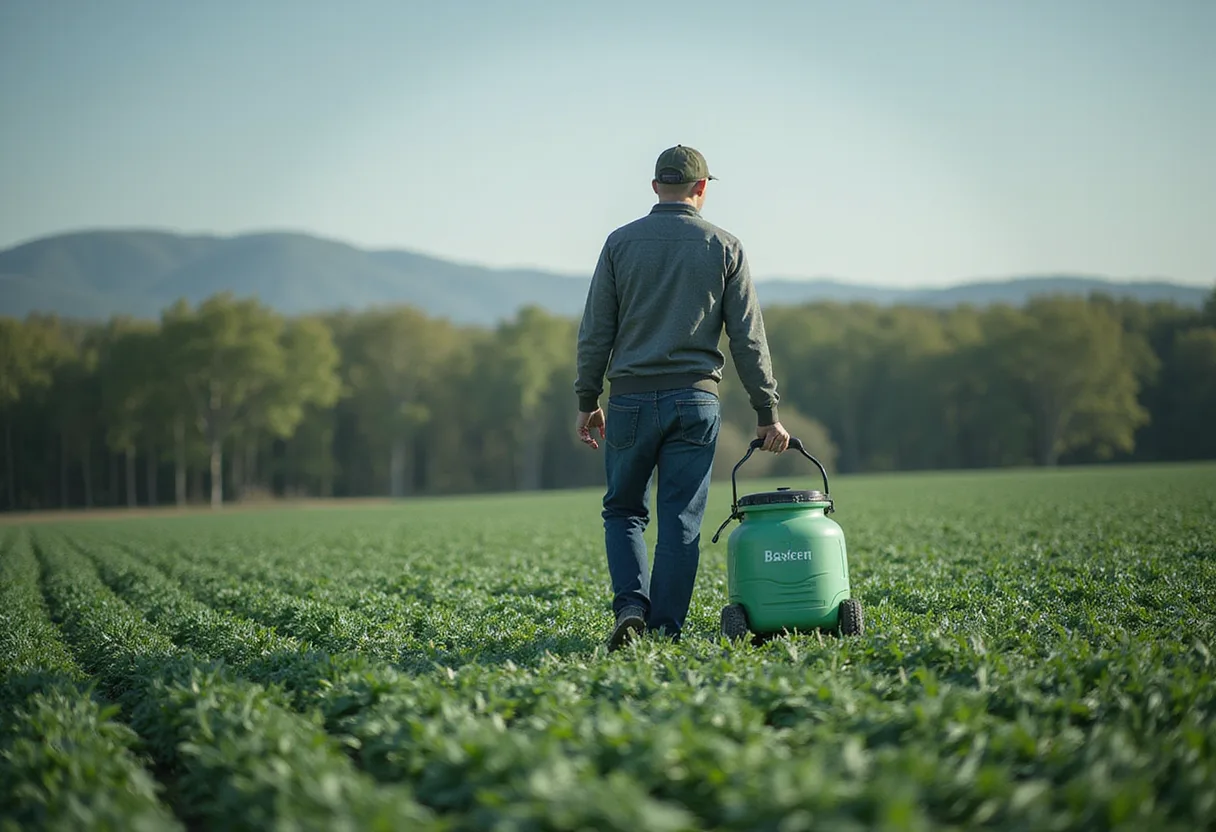
Bayer has unveiled a new slate of crop protection and seed technologies, adding fresh options to a portfolio that sits at the center of many row-crop and specialty growers' input budgets.
The announcement, reported by Farms.com, covers both sides of Bayer's crop science business: chemical and biological crop protection products, and seed genetics. That combination matters for farm margins, because seed-and-trait spending and herbicide, fungicide and insecticide programs typically rank among the largest variable costs per acre for corn, soybean and cotton operations.
Bayer — formed from Bayer AG's acquisition of Monsanto in 2018 — remains the dominant supplier of row-crop seeds and traits in North America, and its product decisions shape what growers plant, how they budget for crop protection, and which weed and insect control programs cooperative agronomists and retailers recommend each season.
What did Bayer actually announce?
The company introduced a set of new crop protection products and seed technologies. As reported, the rollout spans:
- New crop protection offerings, intended to give growers additional tools against yield-robbing pests, weeds and disease pressure;
- New seed technologies, extending the genetics and trait packages available to growers for upcoming planting decisions.
The Farms.com report did not include per-acre pricing, launch dates, or EPA registration status for the individual products, and growers should treat any pre-launch crop protection chemistry as pending full regulatory clearance before building spray programs around it.
Why does this matter for input budgets?
Crop protection and seed together account for a large share of cash expenses on most row-crop acres. When a major supplier adds products to its lineup, the practical questions for farm managers are straightforward: does the new chemistry or trait package replace an existing program at similar or lower cost per acre, does it fit existing resistance-management rotations, and will cooperatives and independent retailers have supply in time for the spraying and planting windows.
New modes of action carry particular weight where resistance has narrowed growers' options. Weed resistance in key row-crop regions has pushed several major suppliers to accelerate development of new herbicide trait platforms, and any addition to the toolkit can affect both custom-applied and self-applied cost structures.
On the seed side, new genetics and traits flow into yield expectations, crop insurance guarantees and marketing plans. Growers comparing hybrid and variety trials against the new offerings will want replicated, local data rather than promotional yield figures — a standard caveat that applies to any company's product launch numbers.
A note on the announcement's limits
Condition-style claims at launch time are marketing statements, not harvested results. Until independent university trials, on-farm strip tests and cooperative evaluations publish data across multiple locations and seasons, the performance claims behind newly unveiled products should be read as targets rather than settled outcomes.
Pricing and availability questions will also determine real-world uptake. Input makers routinely announce technologies well ahead of commercialization, and the gap between an unveiling and product sitting in a retailer's warehouse can span one or more growing seasons, depending on regulatory review and supply chain scaling.
What comes next
Growers, agronomists and input buyers should watch for Bayer's follow-up communications on registration status, launch timing and pricing, along with early third-party trial data, before penciling the new products into next season's crop budgets.
via Google News: Crop protection (Source)
More from Olivia Hart
Show full bio
News editor covering technology and product news in Agribusiness coverage for industry professionals at Agribusiness Wire.
421 articles
Also in the yard
- Bayer Enters Blockbuster Launch Phase for Seed and Crop Protection Pipeline
- Bayer Advances Combined Seed and Crop Protection Pipeline
- Bayer Monopoly Suit Stirs Fresh Concerns Over U.S. Farm Input Costs
- Bayer Leads Investment in Robigo's Crop Protection Platform
- Bayer Faces Antitrust Suit Over Alleged Corn Seed Monopoly