Lot No. LOT-5120 · offered October 9, 2026
Seeds, Crop Protection & FertilizerLot sheet
Beck's Hybrids takes soybean variety-by-management fit to next yield step
Beck's Hybrids field agronomist Chad Kalaher is leading new soybean variety-by-management research in northeastern Illinois, applying the corn hybrid management framework to lift soybean yields.
Market notes
- Beck's Hybrids field agronomist Chad Kalaher is directing the soybean variety-by-management research
- Kalaher covers the northeastern quarter of Illinois for Beck's
- The research applies the corn hybrid management framework to Beck's soybean lineup
- Kalaher spoke to Brownfield Ag News about the work
- The goal is to match soybean variety selection to specific management practices, with fungicide response as the lead example
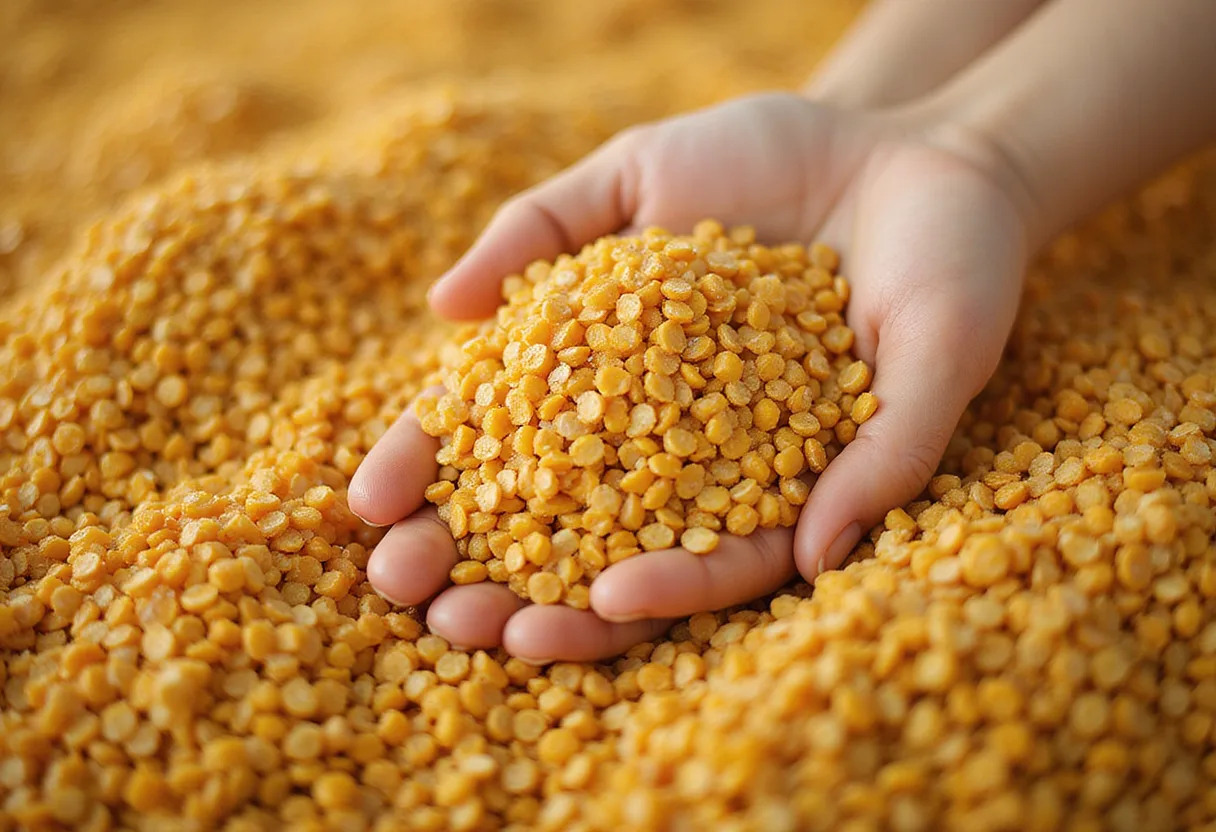
A Beck's Hybrids field agronomist is directing soybean research that pairs variety selection with specific management practices, framing the work as the next yield lever for the crop after years of parallel work in corn.
Chad Kalaher, who covers the northeastern quarter of Illinois for Beck's, told Brownfield Ag News the research borrows from how corn growers already evaluate hybrids. "If we think about managing corn hybrids, this corn hybrid responds to fungicide pretty well every year," Kalaher said.
That corn-hybrid framework separates genetics that pay for a fungicide pass from those that do not. The same resolution for soybeans is the explicit goal of the work Kalaher described.
What is Beck's testing in soybeans?
Kalaher framed the soybean effort as the next logical step after corn hybrid management research. That earlier work sorted responsive from unresponsive genetics within a given plot, allowing growers to spend fungicide dollars only where the response pays back.
Beck's is now applying the same framework to its soybean lineup. The full scope of management variables under study was not detailed in Kalaher's remarks, but the fungicide example anchors the comparison. Growers familiar with corn hybrid management data should expect a parallel reporting structure for soybeans.
Why does this matter for northeastern Illinois farms?
The northeastern quarter of Illinois spans a range of soil productivity and disease pressure, conditions that make variety-by-practice testing commercially relevant. Kalaher's territory includes growers who already treat corn as a managed, hybrid-specific crop rather than a commodity input.
Extending that approach to soybeans shifts the seed-selection conversation from variety yield averages to variety-by-system performance. A fungicide pass that pays off on one variety and not another swings input cost per bushel, putting that decision back in the seed catalog rather than the spray schedule.
The shift also gives retailers a sharper tool than whole-field recommendations. Seed dealers can match varieties to the practices a particular grower already plans to deploy, rather than selling a top-yield entry and leaving management to chance.
How does this fit the broader agronomy pipeline?
Beck's, one of the larger independent U.S. seed companies, sells both corn hybrids and soybean varieties across the Midwest. Kalaher's comments position soybean variety-by-practice research as a continuation of that publication pipeline.
Growers in his territory will see the first outputs through the same dealer and field-day channels that already deliver Beck's corn hybrid management work. Translating that decision logic into soybeans requires the same kind of replicated, multi-location data the company already collects.
The research also aligns with how retailers have built selling systems around hybrid-specific recommendations. Extending that model to soybeans gives both seed companies and their dealer networks a cleaner basis for input decisions per acre.
What should growers watch for?
The immediate marker will be replicated trial reports identifying which soybean varieties respond to which practices. Kalaher's framing — corn's hybrid-by-management playbook, applied to soybeans — gives growers a concrete lens for the next seed catalog cycle.
Watch for entries that distinguish responsive from unresponsive varieties under fungicide treatment. That granularity is what corn hybrid management research has delivered, and it is what Kalaher is now extending to the soybean side.
Competitive pressure will likely push other seed companies toward similar data sets. For now, the research is underway, and Kalaher's comments point to a yield conversation that moves from "which variety" to "which variety under which system."
via Brownfield Ag News (Source)
More from Rebecca Stone
Show full bio
Market editor covering people, launches and day-to-day practice in Agribusiness coverage for industry professionals at Agribusiness Wire.
431 articles
Also in the yard
- Soybean Growers Welcome New Crop Protection Tool Approvals
- EPA Clears New Crop Protection Tools; ASA Welcomes Soyboost
- Updated Corn, Soybean Seed Lineups Roll Out for 2027 Season
- Purdue Acquires 40-Year Soybean Germplasm Library Built for Yield
- MU Extension Sets July 8 Field Day on Pest Management and Robotics