Lot No. LOT-9499 · offered October 10, 2026
Agricultural PolicyLot sheet
California Stockpiles 4.4M Sandbags as El Niño Builds; Growers Eye Recharge
California stockpiles 4.4M sandbags and 400,000 tons of rock as El Niño strengthens, with Lake Oroville at 48% capacity and a $235M valve rehab just completed ahead of the new water year.
Market notes
- DWR deployed 4.4 million sandbags and 400,000 tons of rock ahead of the Oct. 1 water year start.
- Lake Oroville stood at 85% of average and 48% of capacity on Oct. 1; statewide reservoirs averaged 105% of normal for the date.
- A $235 million Oroville Dam river valve outlet rehabilitation, planned since 2014 to replace 1960s infrastructure, finished over the summer.
- The State Water Project supplies 29 contractors serving 27 million residents; initial 2025 allocations post Dec. 1.
- Governor Newsom declared a state of emergency as forecasters tied record ocean temperatures to a potentially historic wet season.
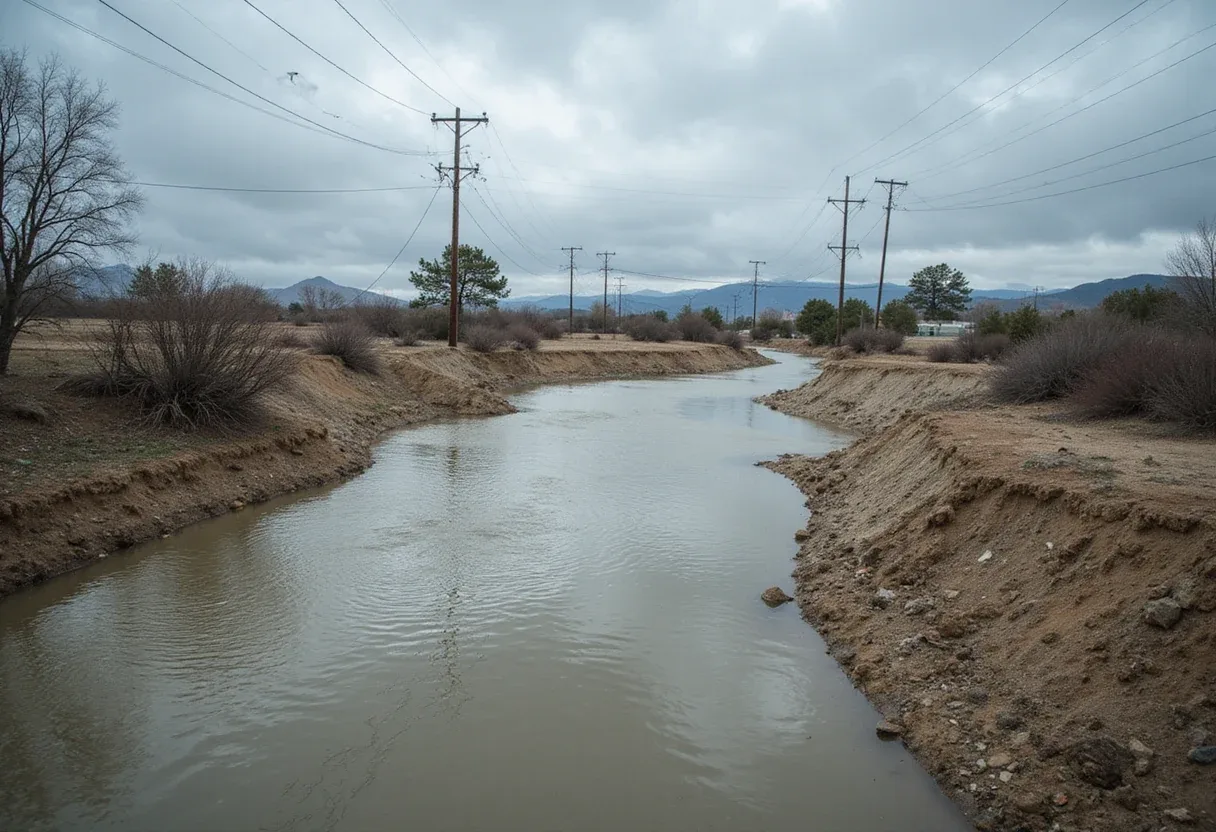
California's Department of Water Resources has stockpiled 4.4 million sandbags and 400,000 tons of rock for emergency flood repairs as a strengthening El Niño pattern drives preparations across the state's 1,600-mile levee system.
The agency opened the new water year Oct. 1 with flood operations crews running regional workshops with cities and counties and staging flood-fighting materials at 68 locations statewide. DWR inspectors are now checking every mile of levee in the state water system, along with weirs, bypasses and flood-control structures, in a routine pre-winter sweep.
Governor Gavin Newsom declared a state of emergency earlier this fall to bolster readiness, citing record-setting ocean temperatures and large surf already pounding the West Coast. Federal forecasters project a wet season on par with some of the most severe in California's recorded history.
What are growers watching?
State Board of Food and Agriculture President Don Cameron, who runs a diversified farm near Fresno, told the board Tuesday that nearly every indicator lines up for a major recharge year — though he stopped short of guaranteeing storms will track over farmland.
"Definitely, being prepared is going to be the key for this year," Cameron said. "All the pieces are setting up. All the factors are coming together [for a strong El Niño]. I'm curious to see the result of all this because we know sometimes [storms] can go north or south."
Cameron's operation in Hilt has run groundwater recharge projects for 15 years, placing him among the most experienced on-farm practitioners in the San Joaquin Valley — the region hit hardest by decades of overdraft and land subsidence.
How is the state's water position?
Storage readings as of Oct. 1:
- Major reservoirs statewide: 105% of historical average for the date
- Lake Oroville (State Water Project's chief reservoir): 85% of average, 48% of capacity
- DWR stockpile: 4.4 million sandbags, 400,000 tons of rock
The State Water Project delivers water to 29 contractors serving 27 million Californians and will issue initial allocation estimates Dec. 1.
At Oroville, crews finished a $235 million rehabilitation of the reservoir's river valve outlet system. DWR says the upgrade improves operational reliability, protects fish populations and bolsters resilience to extreme heat and drought. Planners began engineering work on the project in 2014 to replace valve infrastructure installed in the 1960s.
Where does groundwater recharge fit?
DWR officials are working with water districts and growers to expand recharge projects, including a Recharge Readiness webinar series offering technical guidance. The push lands hardest in the subsidence-prone San Joaquin Valley, where agencies and farming operations are searching for new spreading basins and on-farm sites to capture storm flows before they drain to sea.
DWR crews spent the summer performing annual maintenance and inspections so the system can deliver when storms hit. The Recharge Readiness initiative builds on prior state efforts to map high-percolation soils and streamline permits for farmers who agree to flood their fields.
What risks remain?
Even with strong reservoir carryover, the state enters winter with tens of thousands of acres in the Tulare basin still classified as critically overdrafted. Recent subsidence readings show some monitoring points dropped more than a foot in a single irrigation season, limiting how much aquifer space growers can refill quickly.
DWR's flood operations team will stay on standby through the wet season, with maintenance crews able to redirect to emergency repairs from any of the 68 stockpile sites. Cameron told the board that growers should treat the forecast as a planning opportunity, not a guarantee, given how storm tracks have shifted in past El Niño years. The next State Water Project allocation update arrives Dec. 1.
via water.ca.gov (Original)
More from Nathan Brooks
Show full bio
Staff writer covering regulation, policy and their impact on Agribusiness coverage for industry professionals at Agribusiness Wire.
471 articles
Also in the yard
- El Niño odds hit 90% as California preps for historic winter
- Saturated Fields Stall Midwest Harvest as Flood Watch Looms
- Colorado River Cuts Are Permanent, Western Ag Must Produce More With Less
- Klamath Basin Water Outlook Shifts from Crisis to Collaborative Fix
- FEMA Denies Disaster Assistance to Illinois Counties After August Storms