Lot No. LOT-6297 · offered October 13, 2026
Seeds, Crop Protection & FertilizerLot sheet
Can AI Compress Pheromone Discovery for Emerging Crop Pests?
Pheromone identification typically runs two to five years per species, slowing monitoring of new insect threats. SeedWorld examines whether AI can compress that timeline for emerging crop pests.
Market notes
- Pheromone identification for a single insect species typically takes 2-5 years from volatile collection to a commercial lure
- Spotted lanternfly, brown marmorated stink bug, and sugarcane aphid each expanded across U.S. production regions over the past 15 years
- Pheromone lures generally cost less per acre than broad-spectrum insecticide applications and carry no pre-harvest interval
- The SeedWorld piece frames AI pheromone discovery as an open question, with no field-validation numbers disclosed in the headline treatment
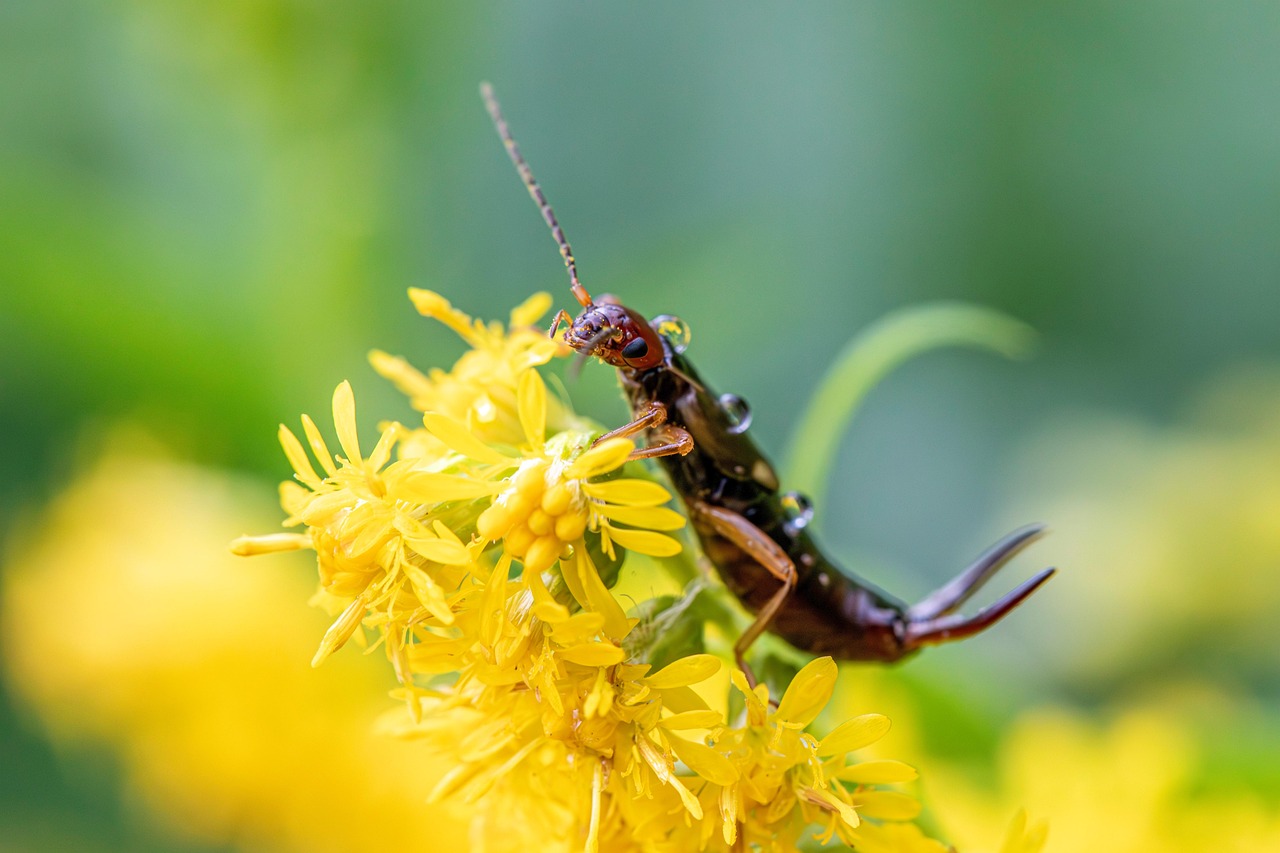
Pheromone identification for a single insect species typically runs two to five years from initial volatile collection to a commercial monitoring lure. That timeline shapes every scouting program in U.S. specialty crops, orchard fruit, and row-corn IPM systems. A new SeedWorld piece asks whether artificial intelligence can break the bottleneck.
The article frames the problem around emerging crop pests — species whose economic footprint is expanding faster than the chemical-ecological toolkit available to growers and certified crop advisors. Pheromone-baited traps already anchor monitoring for established pests including codling moth in apples, European corn borer in corn, and oriental fruit moth in stone fruit. The constraint sits upstream, at the discovery step.
What AI changes in the workflow
Machine-learning models can screen candidate molecule structures against known insect biosynthetic pathways, rank which compounds a target species is most likely to emit, and prioritize those for synthesis. Pharmaceutical researchers have run comparable workflows for decades. The extension to agricultural semiochemicals is recent, and field validation remains thin in the public literature.
Growers should treat that asymmetry carefully. Vendor pitches promising AI-discovered pheromones often skip behavioral assay data — the step where researchers confirm that predicted compounds actually lure live insects under field conditions.
The framing of the SeedWorld piece is a question, not a verdict. No commercial timeline, no yield numbers, and no [reported] field-validation data appear in the headline treatment. Readers evaluating the technology should keep that caveat in view.
Why the urgency is real
Climate-driven range shifts and global nursery trade keep introducing insect species into new U.S. production regions. Spotted lanternfly in grapes and tree fruit, brown marmorated stink bug in apples and peppers, and the sugarcane aphid in sorghum each followed this pattern over the past 15 years. Faster pheromone discovery would let extension networks deploy species-specific lures within a single growing season.
The economics strengthen the case. A pheromone lure typically costs less per acre than a broad-spectrum insecticide application and carries no pre-harvest interval or worker re-entry restriction. Compressing discovery from five years to one changes the IPM math for any pest that arrives unexpectedly.
Faster lure deployment also supports resistance management by giving growers a non-spray monitoring option before populations build.
What to verify before adopting the claim
Three checkpoints will separate press releases from practice. Peer-reviewed behavioral assays confirming AI-predicted compounds lure targeted species under field conditions. Commercial product launches from established pheromone manufacturers citing AI-screened active ingredients. And EPA registration timelines that match the accelerated discovery pace rather than the traditional multi-year review.
One question worth raising: if machine learning already compresses discovery, why have major established pheromone products on the market not yet been reformulated through these methods? The lag, where one exists, will tell growers more than any conference presentation.
The bottleneck is real, the tools are evolving, and the next field season will reveal whether the predictions hold up under the traps people set.
Olivia Hart covers agricultural input innovation and pest management for Agribusiness Wire.
via Google News: Crop protection (Source)
More from Olivia Hart
Show full bio
News editor covering technology and product news in Agribusiness coverage for industry professionals at Agribusiness Wire.
432 articles
Also in the yard
- Syngenta Turns AI Loose on Crop Protection Development
- New Method Aims to Decode Insect Sexual Communication for Crop Protection
- Soilytix Turns Soil DNA Into AI Pipeline for Crop-Protection Discovery
- Soilytix Launches AI Models to Hunt Crop-Protection Molecules in Soil DNA
- AI and Nanotechnology Reshape U.S. Micronutrient Delivery