Lot No. LOT-8253 · offered October 9, 2026
Seeds, Crop Protection & FertilizerLot sheet
CoBank Sees Fertilizer Prices Staying Elevated Through 2028
CoBank's Knowledge Exchange projects fertilizer prices above pre-Iran war levels through 2028, citing Middle East instability and tight phosphate supplies.
Market notes
- CoBank expects fertilizer prices to stay above pre-Iran war levels through 2028.
- The Middle East supplies more than 60 million tons of fertilizer and raw materials annually.
- The region accounts for over 30 percent of global urea exports, much of it moving through the Strait of Hormuz.
- Some U.S. growers have cut phosphate and potassium applications by 10 to 15 percent while maintaining nitrogen rates.
- Economist Jacqui Fatka says continued cuts in fertilizer use could eventually affect soil productivity and yields.
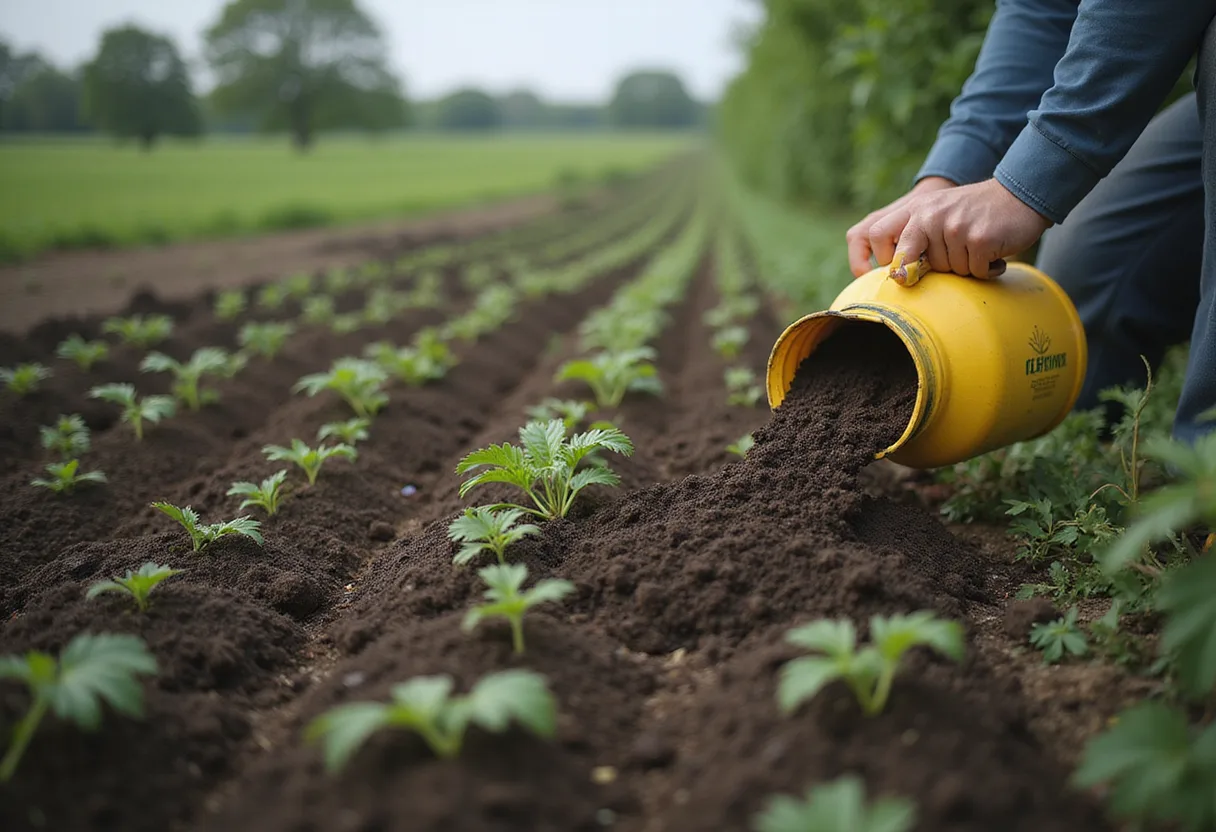
Fertilizer prices will remain above pre-Iran war levels through 2028, according to a new report from CoBank's Knowledge Exchange, extending a multi-year stretch of elevated input costs for U.S. farmers and agricultural retailers.
The report, released ahead of the 2026 fall application season, points to Middle East instability, tight global supplies, and limited phosphate availability as the drivers that could keep prices elevated well into 2027 and beyond.
Why the Middle East matters for your nitrogen bill
The region supplies more than 60 million tons of fertilizer and raw materials annually, and much of that volume moves through the Strait of Hormuz. The Middle East also accounts for more than 30 percent of global urea exports.
That concentration means any disruption to shipping lanes or production in the region feeds directly into U.S. nitrogen prices. CoBank economist Jacqui Fatka says the combination of conflict risk and constrained supply, rather than a single shock, underpins the extended price outlook.
How are growers responding?
U.S. farmers have adjusted agronomic practices to manage the higher costs. According to the report, growers have shifted toward:
- Increased soil testing
- Variable-rate applications
- Precision nutrient management
Some producers have cut phosphate and potassium applications by 10 to 15 percent. Most have maintained nitrogen rates to protect yields, since nitrogen cuts carry a more immediate risk to crop performance than reductions in P and K.
What is the yield risk?
Fatka says continued reductions in fertilizer use could eventually begin affecting soil productivity and crop yields. The report's forecast is an economic projection, not a harvested result — but the agronomic implications compound the longer prices stay high and growers keep drawing down phosphate and potassium.
For farm margins, the outlook means input costs stay a fixed pressure point even as growers optimize application rates, and retailers face another season of managing price risk on a supply chain routed through a single strategic chokepoint. CoBank's analysis suggests growers and retailers should plan for elevated fertilizer budgets through at least 2028.
Reported by Rusty Halvorson, KFGO Fargo, drawing on NAFB news service.
via media-cdn.socastsrm.com (Original)
More from Grace Kim
Show full bio
Correspondent covering people, launches and day-to-day practice in Agribusiness coverage for industry professionals at Agribusiness Wire.
448 articles
Also in the yard
- Fertilizer Prices to Stay Above Pre-War Levels Through 2028
- Iran Conflict Stirs Fertilizer Cost Fears Among US Farmers
- Middle East Conflict Pushes Fertilizer Prices Up Ahead of Fall Application
- farmdoc daily: Iran Conflict Is Pushing Up U.S. Fertilizer Costs
- 70% of U.S. Farmers Can't Afford Needed Fertilizer