Lot No. LOT-5030 · offered October 14, 2026
Commodity MarketsLot sheet
Corn futures clear $5 as demand underpins the market
Corn futures have topped $5 per bushel, Brownfield reports, with demand supporting prices and reshaping storage, basis and new-crop pricing decisions for growers.
Market notes
- Corn futures topped $5 per bushel
- Brownfield Ag News attributes the rally to demand supporting prices
- Demand-driven strength, rather than weather, underpins the market move
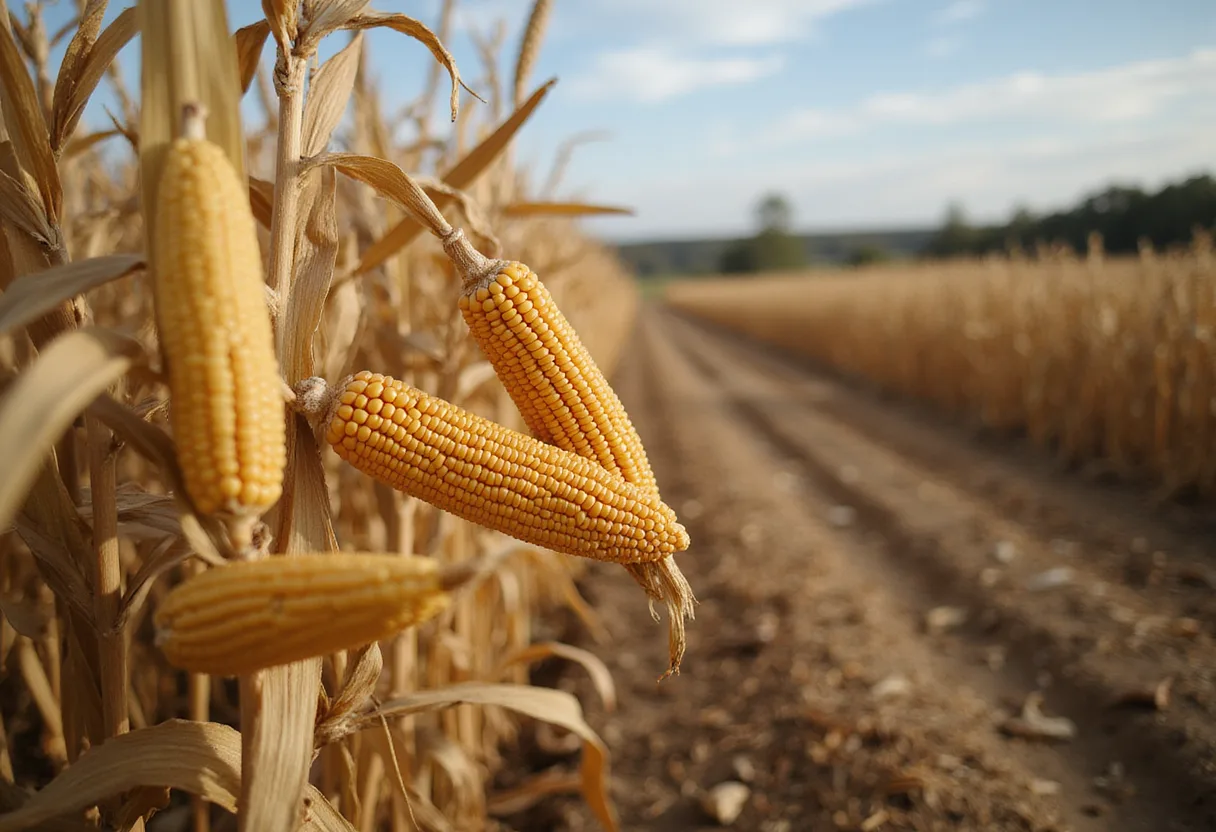
Corn futures have topped $5 per bushel, Brownfield Ag News reports, with demand supporting prices at a level that directly changes hedge economics for growers holding old-crop and new-crop inventory.
The move through $5 matters because the round number functions as a benchmark (a reference price level that traders, elevators and lenders use to gauge market strength) rather than a fundamental threshold. For producers, a market above $5 restores the arithmetic behind storage decisions: carrying charges, interest on stored grain and basis (the local cash price minus the futures price) all price differently when the board trades at these levels than when it sits in the mid-$4 range.
What does the rally change for growers?
Demand, not weather, is doing the work in this market, according to the Brownfield report. That distinction matters for how long the strength lasts. A demand-driven rally reflects end users — ethanol plants, feeders and export buyers — competing for available supplies. It tends to build more gradually than a weather scare and to persist as long as consumption runs at pace.
For growers, the practical consequences are concrete:
- Cash bids at country elevators firm as processors and exporters compete for bushels, which can narrow or strengthen local basis even when futures hold flat.
- Unpriced old-crop inventory gains storage value, and the carry structure determines whether holding grain past harvest pays.
- New-crop pricing windows open above a level many budgets treat as profitable on trend yields, giving producers a chance to lock margins rather than speculate on further gains.
A market watching consumption, not condition
Condition reports and forecasts remain separate from harvested results, and this rally rests on the demand side of that ledger. Ethanol grind, feed use and export pace are the data points that will either sustain prices above $5 or pull them back. Traders will watch the weekly and monthly consumption figures from USDA (the Department of Agriculture, which publishes the reports the trade uses to verify demand assumptions) as the test of whether current pricing is justified.
The comparison is straightforward: a weather-driven spike can reverse in a single forecast model run, while a demand-driven floor holds only as long as end users keep buying. Producers pricing grain into this market are, in effect, betting that consumption data continues to confirm what the rally already assumes.
What happens next depends on whether the demand the report cites keeps pace with available supply through the balance of the marketing year.
By Rebecca Stone, Agribusiness Wire
via Google News: Grain prices (Source)
More from Rebecca Stone
Show full bio
Market editor covering people, launches and day-to-day practice in Agribusiness coverage for industry professionals at Agribusiness Wire.
429 articles