Lot No. LOT-4645 · offered October 10, 2026
Commodity MarketsLot sheet
Corn Futures Face Drop Risk on Fund Exit, Successful Farming Warns
Successful Farming warns that corn futures could fall sharply if managed-money funds unwind long positions in unison, framing speculative flow rather than USDA balance sheets as the swing variable for the grain's price outlook.
Market notes
- Successful Farming published 'Corn Prices Could Fall Fast if Funds Head for the Exit' this week
- CFTC Commitments of Traders report releases each Friday afternoon, showing managed-money net positions
- USDA WASDE report sets the monthly fundamental supply backdrop for corn
- Coordinated managed-money exits typically drag corn futures faster than cash market adjustments
- Corn ranks among the most heavily indexed grains for speculative fund participation
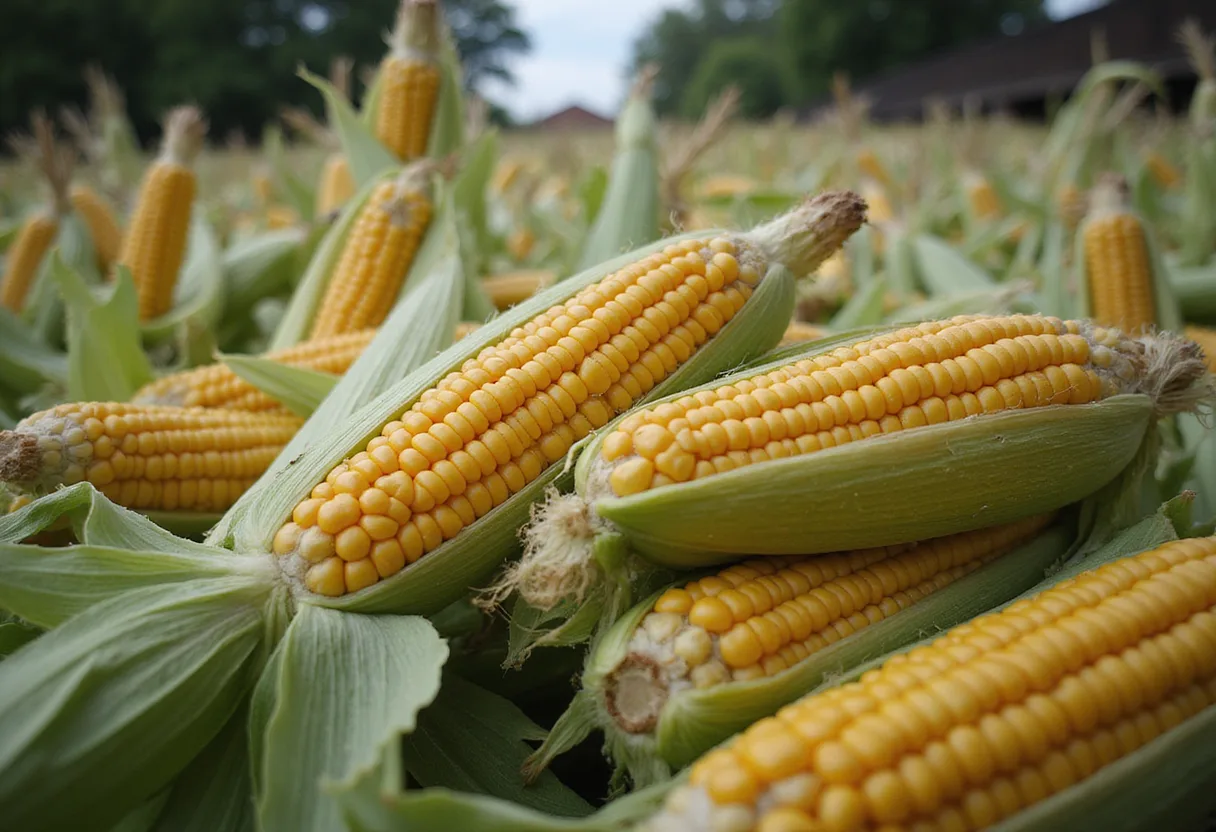
Corn futures could fall sharply if managed-money funds unwind long positions in unison, Successful Farming warned this week, framing speculative flow as the swing variable for the grain's price outlook.
The piece — "Corn Prices Could Fall Fast if Funds Head for the Exit" — puts fund positioning, rather than USDA balance sheets, weather or export demand, at the center of the price discussion.
What the piece covers
Successful Farming singles out managed-money positioning as the key swing factor. These are speculative accounts — hedge funds and commodity trading advisors — that take directional bets in agricultural futures rather than physical grain. The Commodity Futures Trading Commission tracks their net long or short positions weekly in the Commitments of Traders report.
When funds carry heavy net-long positions and reverse together, futures typically drop faster than cash bids at the local elevator. The result: wide basis and merchandisers holding hedges that no longer match the market.
Why corn moves harder than wheat or soybeans
Corn sits among the most heavily indexed grains, with deep open interest and substantial fund participation. A coordinated exit across those accounts can drag the front-month contract lower, pulling the rest of the curve down with it. Cash markets usually follow, but with a lag. Basis at country elevators widens first, as managers absorb the price move before re-pricing physical bushels.
What a fund-driven drop means for the farm P&L
For corn growers, the practical risk is timing. A managed-money unwind into harvest could widen new-crop basis across the eastern Corn Belt, where river and rail bottlenecks already pressure cash bids.
For livestock feeders and ethanol producers, the same move lowers feed and feedstock costs, lifting operating margins. Co-ops storing grain under hedge typically see margin compression before physical values catch up. Input sellers — fertilizer, seed, chemical — face a delayed knock-on effect, with lower per-acre revenue potentially squeezing spending intentions for the next planting season.
The data traders watch
CFTC's Commitments of Traders report lands each Friday afternoon, showing net positions across managed money, commercial hedgers, and other reportable traders. A swing from net long toward neutral or net short, after a sustained long position, would confirm the exit scenario the Successful Farming piece flags.
USDA's monthly WASDE report sets the fundamental supply backdrop. When balance sheets look supportive but funds carry heavy length, the exit risk Successful Farming describes rises. Both data sets, read together, give the cleanest read on whether corn futures hold or give way.
Forward look
The next Commitments of Traders report, combined with any shift in weekly export sales or Midwest weather premium, will test whether the managed-money crowd stays long or starts heading for the exits.
via Google News: Grain prices (Source)
More from Rebecca Stone
Show full bio
Market editor covering people, launches and day-to-day practice in Agribusiness coverage for industry professionals at Agribusiness Wire.
429 articles