Lot No. LOT-8238 · offered October 9, 2026
Agricultural PolicyLot sheet
Corn Growers Press for Transparency in Fertilizer Markets
The National Corn Growers Association is publicly pressing for greater transparency and competition in U.S. fertilizer markets, framing the demand as a direct input-cost concern for corn producers.
Market notes
- NCGA has publicly called for greater transparency and competition in U.S. fertilizer markets.
- Three primary nutrients — nitrogen, phosphate and potash — anchor a typical corn fertility program.
- NCGA engages on input-cost policy through grower-led committees and state affiliates across Iowa, Illinois, Nebraska, Indiana and Minnesota.
- Nitrogen typically ranks as the largest fertilizer line item on a corn-acre budget, behind only seed in variable cost.
- The association has historically used Farm Bill channels, congressional hearings and federal rulemaking to surface input-cost concerns.
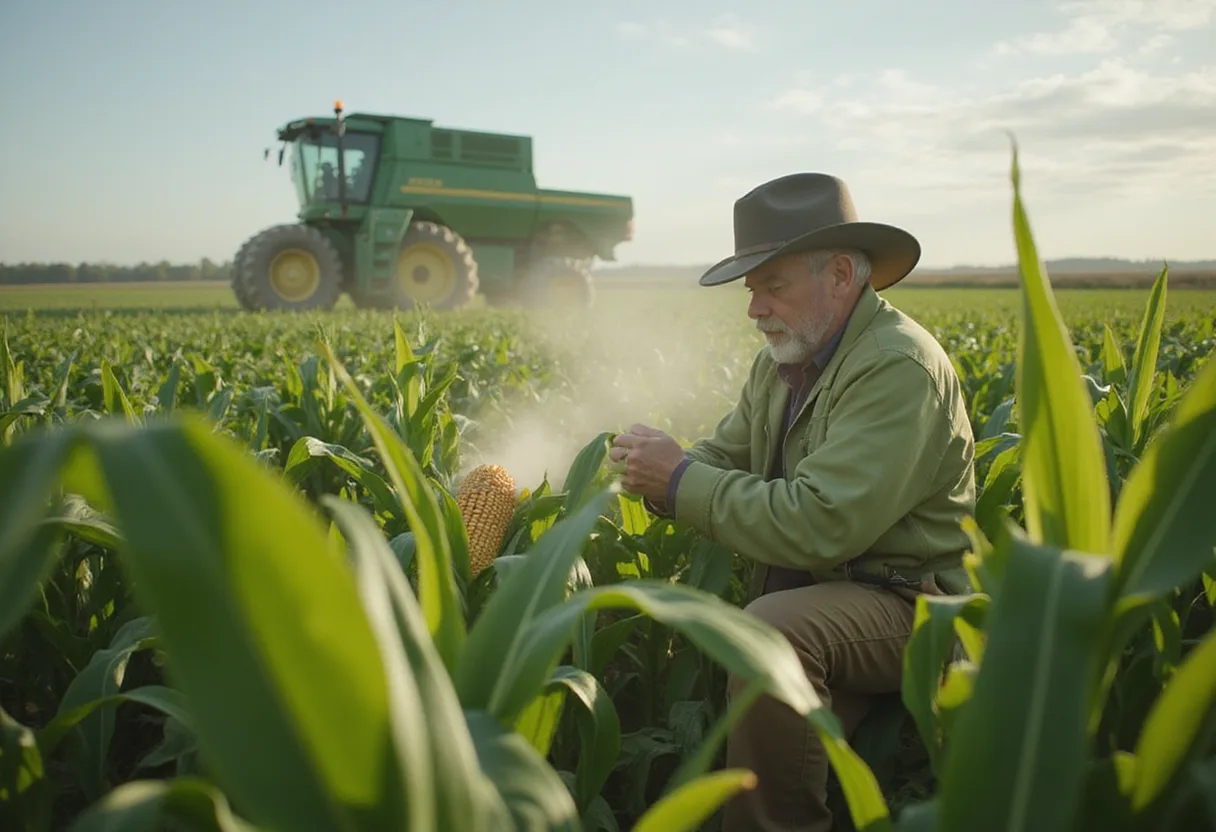
Corn growers organized under the National Corn Growers Association are publicly pressing for greater transparency and competition in U.S. fertilizer markets, framing the issue as a direct input-cost concern for the producers they represent.
The association's call, distributed under its name, casts the demand as one of disclosure and competition policy rather than a narrow market complaint. NCGA engages on input-cost issues through grower-led committees and state affiliates across major corn-producing states, including Iowa, Illinois, Nebraska, Indiana and Minnesota.
What's behind the transparency push?
Three nutrients anchor a corn fertility program: nitrogen, applied as anhydrous ammonia, UAN solutions or urea; phosphate, delivered through MAP and DAP; and potash. Each sits inside a supply chain that combines domestic production, imports and a wholesale-to-retail distribution network.
Grower groups have argued that limited competition at the production level leaves farmers absorbing price moves that originate upstream — whether from natural gas costs that drive nitrogen manufacturing, from concentrated potash supply in a handful of producing countries, or from phosphate producers facing consolidation pressures.
A transparency framework would extend reporting requirements to manufacturers and wholesalers so growers and policymakers can track how production costs, tariffs, freight and export decisions flow into retail pricing. The competition piece targets market structure itself: the number of producers, the share of capacity they hold, and the contracting practices that move product from plant to retailer.
Why does it matter for corn margins?
For corn specifically, nitrogen typically represents the largest fertilizer line on an acreage budget, often second only to seed in variable cost. When wholesale fertilizer prices climb faster than corn futures, the squeeze shows up in working capital and operating notes, not in agronomic decisions about application rates. A farmer still applies the nitrogen a corn rotation requires; the question is what the bill looks like at the dealer and what margin survives.
The economics link directly to grain basis. A widening gap between retail fertilizer costs and local corn cash prices erodes the per-bushel return that determines whether a given crop year pencils out before land cost, cash rent and family living draw on the operation.
What changes for growers in the near term?
In the near term, possibly little. Fall ammonia applications and spring nitrogen decisions run on dealer quotes, local supply and cash market indications. Reporting obligations would land on manufacturers and wholesalers first, with downstream visibility accruing to growers over time as data accumulates.
The NCGA piece does not name a specific bill, agency action or congressional vehicle, which leaves the policy route open. The association has historically worked through Farm Bill channels, congressional hearings and federal rulemaking to surface input-cost concerns.
Expect fertilizer market structure to remain on the corn-policy agenda as fall bookings draw near. The association's call gives grower-leaders a platform to press the issue into state-level conversations and federal forums through the next crop budget cycle, keeping the question of who pays for concentration squarely in front of policymakers.
via Google News: Fertilizer markets (Source)
More from Nathan Brooks
Show full bio
Staff writer covering regulation, policy and their impact on Agribusiness coverage for industry professionals at Agribusiness Wire.
466 articles