Lot No. LOT-3331 · offered October 9, 2026
Crop EconomicsLot sheet
Dairygold sets 2026 harvest grain prices for Irish tillage growers
Dairygold Co-Operative Society has published its 2026 harvest grain prices, the Irish Farmers Journal has reported, setting the schedule that will govern payments to cereal growers delivering to its Munster intake network later this year.
Market notes
- Dairygold Co-Operative Society published its 2026 harvest grain price schedule, the Irish Farmers Journal reported
- The Cork-based co-op operates intake and drying facilities across Munster alongside its dairy processing business
- Detailed per-tonne figures, moisture bands and quality bonuses will be carried in the Irish Farmers Journal's extended coverage
- The schedule will set a benchmark for merchant basis bids at the 2026 intake point
- The announcement lands ahead of autumn 2025 sowing decisions for winter barley and winter wheat crops
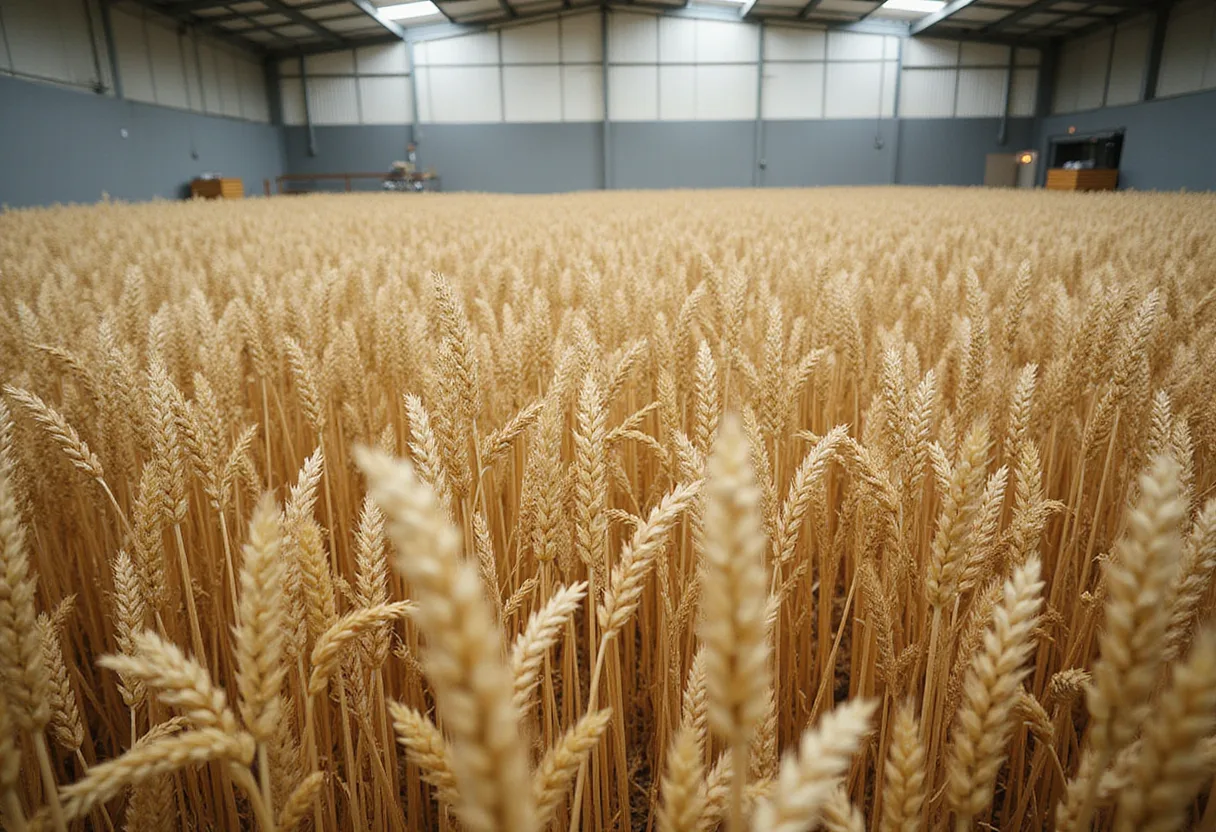
Dairygold Co-Operative Society has published its 2026 harvest grain prices, the Irish Farmers Journal has reported. The Cork-based farmer-owned processor released the schedule that will govern payments to cereal growers delivering to its intake network later this year.
What does the schedule cover?
The headline announcement did not include per-tonne figures in the initial coverage. The Irish Farmers Journal's extended report will carry the full moisture bands, drying charges and tonnage bonuses.
Growers across Munster and the south-east, where Dairygold operates intake and drying facilities alongside its dairy processing business, will now compare the co-op schedule against merchant quotes from buyers including Boortmalt, Liffey Mills and other regional trade.
Why does the co-op schedule matter for Irish tillage margins?
Grain price schedules published by processors such as Dairygold typically set the benchmark for merchant basis at harvest in Ireland. Co-ops and merchants compete for the same tonnage of feed wheat, feed barley and malting barley.
The spread between the co-op schedule and merchant bids shapes the realised price every Irish tillage grower captures at the intake point. The relative gap between green-grain and dried-grain price bands also determines whether on-farm drying pays for the 2026 crop.
Standard Irish co-op schedules include:
- A base price per tonne for each cereal
- Moisture deductions above a set threshold
- Specific weight bonuses or penalties
- Protein or screenings premiums for milling wheat and malting barley intake
- Haulage allowances and storage bonuses for post-harvest delivery
The structure of those bands — rather than the headline base price alone — drives the economics of harvest selling decisions for tillage operators across the southern counties.
Dairygold, headquartered in Mitchelstown, County Cork, runs grain operations as a complement to its dairy processing activities. It reports on the tillage segment annually to its farmer shareholder base.
The 2026 schedule lands as Irish growers weigh planting intentions for the autumn 2025 sowing window. Input costs have continued to pressure cereal enterprise margins.
Fertiliser nitrogen prices, certified seed costs and fungicide programmes remain the three largest variable cost lines for Irish winter barley and winter wheat crops. Any movement in the co-op's schedule filters quickly through to merchant bids across the south.
The Irish Farmers Journal will examine whether the schedule narrows or widens the historical gap between co-op and merchant pricing in its detailed report.
What should growers watch next?
Forward contracts for 2026 harvest malting barley have already begun circulating among merchant buyers. The Dairygold schedule gives growers a second reference point for comparing flat-price offers against pool or commitment schemes.
Growers holding grain in storage from the 2025 harvest will also watch the new schedule for indications of where the 2026/27 marketing year is heading. The Irish tillage sector has run at compressed margins for several seasons.
Irish tillage margins in the current cycle have hinged on capturing basis at intake rather than relying on spot price appreciation. A transparent co-op schedule remains a key input to that calculation.
The Irish Farmers Journal's full coverage will carry the detailed 2026 schedule, including quality bonuses for protein, specific weight and screenings applicable to feed and malting intake.
via Google News: Grain prices (Source)
More from Rebecca Stone
Show full bio
Market editor covering people, launches and day-to-day practice in Agribusiness coverage for industry professionals at Agribusiness Wire.
426 articles