Lot No. LOT-3633 · offered October 9, 2026
Commodity MarketsLot sheet
Dec. corn slips half-cent; wheat, hogs, bean oil gain
December corn closed at $4.97¼, down half a cent, while November soybeans gained 2½ cents to $12.80¾ and December Chicago wheat jumped 9¼ cents to $6.92¼ on Oct. 5, 2026.
Market notes
- Dec. corn closed at $4.97¼ per bushel, down ½ cent on Oct. 5, 2026
- Nov. soybeans rose 2½ cents to $12.80¾ per bushel
- Dec. Chicago wheat climbed 9¼ cents to $6.92¼ per bushel
- Dec. live cattle fell $1.50 to $219.97 per cwt; Nov. feeders slipped $1.02 to $330.12
- Dec. soybean meal dropped 40 cents to $347.10/ton while Dec. bean oil gained 73 points to 69.35¢/lb
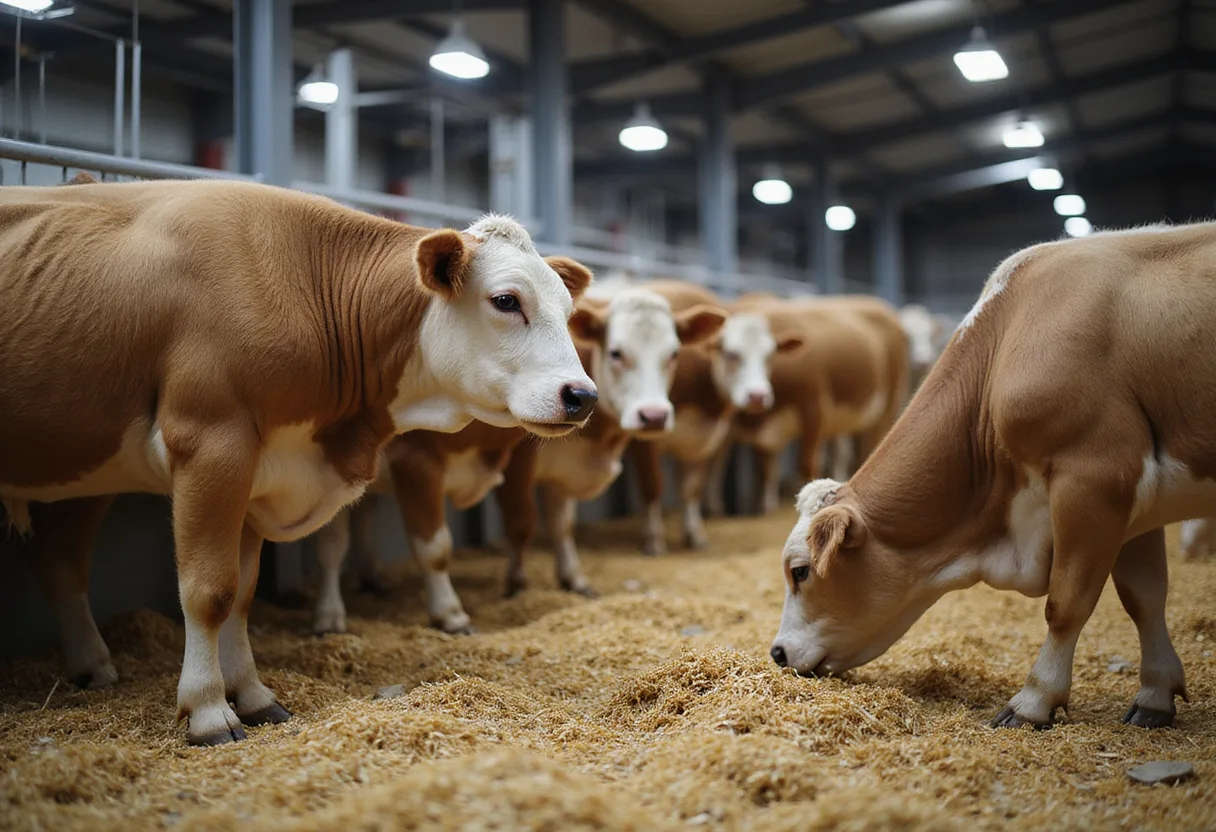
December corn futures slipped a half-cent Monday to close at $4.97¼ per bushel, capping a session in which wheat, hogs, and soybean oil led the grain and livestock complex higher while cattle contracts drifted lower.
November soybeans added 2½ cents to settle at $12.80¾, and December Chicago wheat jumped 9¼ cents to $6.92¼. Lean hog futures firmed, with the December contract up 82 cents at $70.95. The livestock side was otherwise soft: December live cattle fell $1.50 to $219.97, and November feeder cattle declined $1.02 to $330.12.
How did the soy complex split?
The soy product complex showed an inverse move. December soybean meal dropped 40 cents to $347.10 per short ton, while December soybean oil gained 73 points to 69.35 cents per pound. That oil-versus-meal divergence is the kind of daily grind that crush margin operators, renewable diesel plants, and feed buyers track tick by tick, since it dictates whether soybean processing economics reward more oil extraction or more meal output on any given day.
What did the cattle trade signal?
December live cattle at $219.97 marked a $1.50 setback, and November feeders at $330.12 lost just over a dollar. With December corn holding in the high-$4 range, feedlot cost of gain remains a watchpoint for cattle feeders weighing feeder placements against projected fed cattle sales. Lean hogs' 82-cent gain to $70.95 put the December contract back in the upper half of its recent trading band, offering some relief to producers who have watched hog margins oscillate with feed costs, packer throughput, and export demand.
Where do these levels sit for growers and buyers?
For corn growers evaluating old-crop sales, December corn holding just under the $5 mark sits in a thin margin zone — close enough to encourage incremental movement but well below the levels seen during prior weather-driven rallies. Wheat's 9¼-cent jump gives winter wheat producers in the Plains and Midwest a slightly firmer basis conversation at country elevators this week. The November soybean contract at $12.80¾ keeps a meaningful carry relationship to deferred contracts, which growers and merchandisers will weigh as harvest pressure builds across the Corn Belt through October.
What is the cross-market read?
The day's mixed tape — wheat and bean oil up, meal and corn down, hogs up, cattle down — is consistent with a market digesting separate fundamentals in each product rather than moving on a single macro driver. Soybean oil's 73-point gain came even as meal lost ground, a pattern that keeps the product spread tight and watchable for any U.S. soybean processor bidding for bushels at interior elevators. Livestock traders continue to price cattle and hogs on divergent fundamentals, with the cattle complex pressured by the prior session's cash direction while hogs found support from firmer wholesale values.
What should producers watch next?
Traders and risk managers will look to overnight trade, any USDA announcements, and weather-driven yield revisions to determine whether Monday's grain gains hold into midweek. The cattle complex's split, with live and feeder contracts lower while hogs gained, suggests protein buyers and sellers will continue pricing supply and demand separately. The truncated November line item in the closing report leaves a question for the next session's full board: whether Monday's uneven tone is a one-day event or the start of a directional shift across grains or livestock.
via Brownfield Ag News (Source)
More from Grace Kim
Show full bio
Correspondent covering people, launches and day-to-day practice in Agribusiness coverage for industry professionals at Agribusiness Wire.
453 articles