Lot No. LOT-3413 · offered October 13, 2026
Agricultural PolicyLot sheet
East Tennessee grower warns of farmland loss as farm bill replacement stalls
A WKRN News 2 report surfaces an East Tennessee farmer's warning that the expired 2018 Farm Bill is fueling farmland conversion in the state's fastest-growing counties, with the current extension set to lapse Sept. 30, 2025.
Market notes
- The 2018 Farm Bill expired Sept. 30, 2024, and a one-year extension keeps USDA programs funded through fiscal 2025.
- USDA's 2022 Census of Agriculture recorded roughly 10.9 million acres of Tennessee farmland, down several hundred thousand acres from 2012.
- The Conservation Reserve Program is capped nationally at 27 million acres under the 2018 Farm Bill, and USDA is not accepting new enrollments under the current extension.
- American Farmland Trust's 'Farms Under Threat' analysis identifies Knox and Sevier counties among Tennessee's most exposed to agricultural land conversion.
- The current farm bill extension lapses Sept. 30, 2025; farm-bill watchers rate the odds of a five-year reauthorization before that deadline at no better than even.
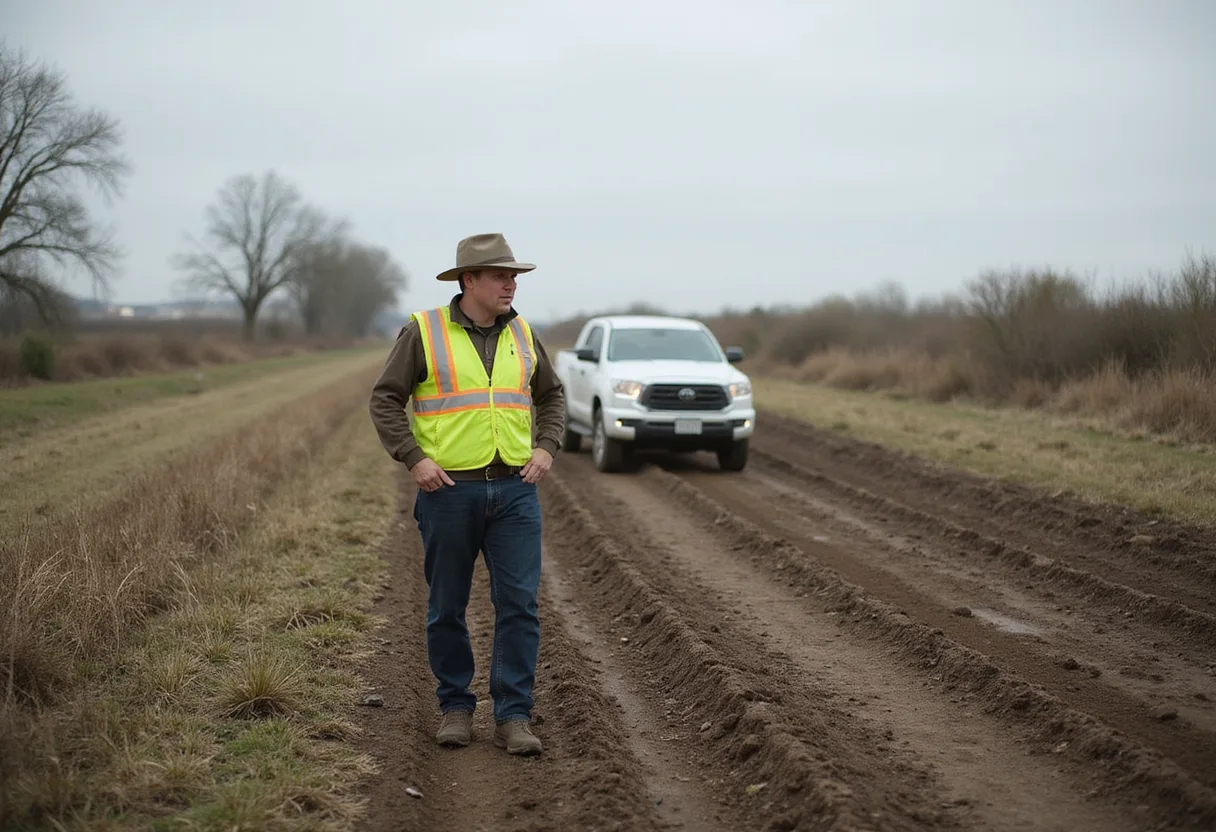
The 2018 Farm Bill expired Sept. 30, 2024, and a replacement has yet to clear either chamber of Congress. A WKRN News 2 report aired in recent days surfaces an East Tennessee farmer's warning that the lapse is already accelerating the conversion of farmland to residential and commercial use in the region's fastest-growing counties.
WKRN's headline — "East TN farmer warns of land loss, overdevelopment without new farm bill" — captures a concern that county Extension agents and Farm Bureau chapters across the state's eastern third have framed in recent months. The grower profiled in the segment told the station that developers are outbidding producers for parcels that conservation programs would otherwise have held in production.
What policy tools hang in the balance
The next farm bill carries the authorizations for four program tracks that directly affect Tennessee land use:
- The Conservation Reserve Program, capped nationally at 27 million acres under the 2018 law.
- The Agricultural Conservation Easement Program, which has helped retire development rights on Tennessee farms for two decades.
- Title I commodity program payments for the state's cotton, soybean, wheat and corn producers.
- Crop-insurance subsidies that smooth revenue on East Tennessee cattle, tobacco and hay operations.
None of those programs run under full authorization without a current farm bill or formal extension. Plain takeaway: the policy levers that hold farmland in production sit idle until Congress acts.
What changed in 2024
A one-year extension enacted in late 2024 kept most USDA program funding flowing through the end of fiscal 2025, but it did not refresh acreage caps, open new enrollment windows for the Conservation Reserve Program, or authorize new Agricultural Conservation Easement Program applications. Without a reauthorization, USDA has continued servicing existing contracts while new sign-ups stay closed.
That gap matters in East Tennessee, where the Knoxville metropolitan area drove most of the region's population growth between the 2010 and 2020 censuses. Auction tracts within commuting distance of the city center routinely clear at multiples of bare-land values a generation ago.
Tennessee's statewide farmland base has been shrinking for decades. USDA's 2022 Census of Agriculture recorded roughly 10.9 million acres of land in farms, down several hundred thousand acres from a decade prior. East Tennessee counties with the steepest declines track closely with the Knoxville and Chattanooga metro footprints. Plain takeaway: the loss is concentrated where the buyers are strongest.
How Congress is handling the timeline
The House Agriculture Committee advanced a farm bill framework in 2024. The Senate Agriculture Committee followed with a bipartisan draft. Neither chamber has scheduled a floor vote, and leadership has not named a conference committee.
Senate Majority Leader John Thune (R-S.D.) and House Speaker Mike Johnson (R-La.) have signaled they want a completed bill on the floor before the extension lapses Sept. 30, 2025; farm-bill watchers give that no better than even odds given the calendar. Plain takeaway: the schedule, not the policy, is the binding constraint.
What the WKRN report frames
The WKRN segment is grounded in one grower's observation that conservation-program gaps show up first in the highest-bidder counties. The American Farmland Trust's "Farms Under Threat" analysis identifies Knox and Sevier among Tennessee's most vulnerable counties for agricultural land conversion.
Conservation easement dollars, working-lands incentives and Conservation Reserve Program rental rates all move local supply out of the development bid stack. With those tools frozen at 2024 enrollment levels, that bid stack stays tilted toward buyers. Plain takeaway: a frozen easement pipeline is a higher price for every acre that sells.
What's next
The current extension expires Sept. 30, 2025. If no farm bill or further extension passes by that date, USDA loses authority to obligate most conservation and commodity program dollars into fiscal 2026. House and Senate negotiators have said they want a conference report before the August recess; the timeline is already tight, and the calendar leaves little margin.
For the East Tennessee counties named in WKRN's report, the practical effect is visible at county planning commissions, where subdivisions continue to clear on land classified agricultural. Each month without a new farm bill is a month those acres stay in the development pipeline rather than the conservation pipeline.
via Google News: Farm bill and ag policy (Source)
More from Grace Kim
Show full bio
Correspondent covering people, launches and day-to-day practice in Agribusiness coverage for industry professionals at Agribusiness Wire.
453 articles
Also in the yard
- East Tennessee Grower Warns of Land Loss Without New Farm Bill
- Farm Bill Expiration Adds Uncertainty for Washington Wheat Growers
- Wheat growers: Farmers bear brunt of expired farm bill
- Farm Bill Doubts Cloud 2024 Ag Policy Outlook in the West
- Wheat Growers Press Congress to Act Before Midnight Farm Bill Expiration