Lot No. LOT-6213 · offered October 9, 2026
Agricultural PolicyLot sheet
Farm Bill Expires: Nebraska Farmers and SNAP Recipients Await Reauthorization
The 2018 federal farm bill expired September 30, 2024, leaving Nebraska farmers, ranchers, and SNAP households without a reauthorization timeline. Panhandle-area coverage flags cash-rent, conservation, and recertification concerns.
Market notes
- The 2018 federal farm bill expired on September 30, 2024
- The five-year omnibus carries roughly $1.5 trillion in mandatory spending over a typical cycle
- USDA's Farm Service Agency announced pauses to Conservation Reserve Program and Environmental Quality Incentives Program ranking periods after the lapse
- The House version of a successor bill passed in 2024 included tighter SNAP work requirements, while the Senate version preserved a broader Title II structure
- Nebraska's congressional delegation remained divided over the package's scope at the expiration
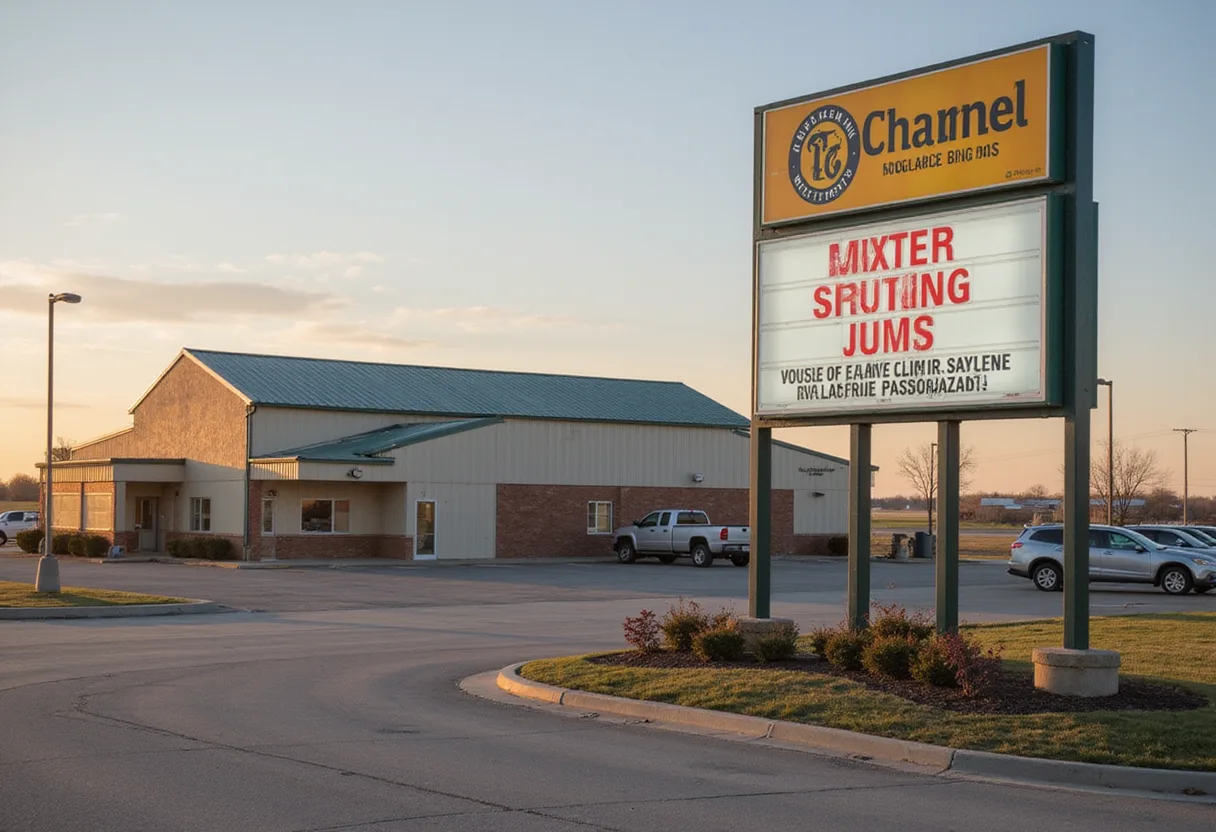
The 2018 federal farm bill expired September 30, 2024, leaving Nebraska farmers, ranchers, and the state's SNAP households without a reauthorization timeline, according to coverage from Panhandle News Channel Nebraska.
The five-year omnibus carries roughly $1.5 trillion in mandatory spending over a typical cycle, with most of that routed through the Supplemental Nutrition Assistance Program.
What does the expiration cover?
Four titles do most of the work:
- Title I authorizes Agriculture Risk Coverage and Price Loss Coverage payments for corn, soybeans, wheat, sorghum, and other program crops.
- Title XI delivers federal crop insurance premium subsidies through USDA's Risk Management Agency.
- Title II funds working-lands and retirement-lands conservation through EQIP, the Conservation Stewardship Program, and the Conservation Reserve Program.
- Title IV governs SNAP.
County-level Farm Service Agency staff use the reauthorization deadline to publish updated contract terms, payment limits, and sign-up calendars each year. Without a successor bill, those calendars sit frozen at 2024 versions.
What changes for crop and livestock operators?
Panhandle row-crop and livestock operations depend on ARC and PLC reference prices under Title I, plus premium support that holds federal multi-peril crop insurance affordable. The 2024 crop year continues under existing terms.
The 2025 sign-up window that typically opens after fall harvest now faces timing pressure if Congress misses a spring planting-season decision point. That delay would force growers to extend 2024 coverage a second year and complicate marketing and financing tied to new contract terms.
Conservation presents the most visible freeze. USDA's Farm Service Agency announced that Conservation Reserve Program and Environmental Quality Incentives Program ranking periods would pause until Congress clarifies baseline funding.
Sandhills cattle producers who rely on CRP grazing, and North Platte wheat growers using EQIP-funded irrigation improvements, are tracking those calendars closely. Some EQIP contracts that expired in 2024 face renewal delays under the pause.
What happens with SNAP during the wait?
Benefits continue to flow through Nebraska's Department of Health and Human Services under existing appropriation authority. Eligibility rules, work requirements, and benefit calculations in place on September 30 carry forward until new legislation changes them.
The provisions typically revisited at reauthorization — Thrifty Food Plan updates, broad-based categorical eligibility, and work requirements for able-bodied adults without dependents — remain in legislative limbo. Households completing recertification under current rules will see no immediate change, though the timing of any new rules relative to pending applications would determine which standard applies.
Why has a successor bill stalled?
The House version passed earlier in 2024 included tighter SNAP work requirements and shifted conservation funding toward soil-health priorities. The Senate version preserved a broader Title II structure and avoided the strictest work requirements. Lawmakers had not released a conference agreement before the deadline.
Nebraska's delegation, including Sen. Deb Fischer and the three House members representing the 1st, 2nd, and 3rd Districts, has been publicly divided over the package's scope, particularly on nutrition policy.
What is the operational fallout?
Panhandle-area coverage highlighted two immediate concerns:
- Cash-rent negotiations that hinge on commodity support levels
- SNAP recertification paperwork that local offices must clear
Both reflect the way farm bill decisions cascade into Farm Service Agency offices, banks, and landlords within months of enactment.
Federal crop insurance sign-ups for spring-planted crops, the conservation enrollment calendar, and any SNAP eligibility changes stand as the next concrete milestones. Until a conference report clears both chambers, Nebraska's agricultural sector and its nutrition-assistance households will operate under existing rules while committee markups continue into the next session.
via Google News: Farm bill and ag policy (Source)
More from Marcus Bennett
Show full bio
Senior reporter covering regulation, policy and their impact on Agribusiness coverage for industry professionals at Agribusiness Wire.
409 articles
Also in the yard
- Farm Bill Expires, Leaving Nebraska Farmers, SNAP Recipients in Limbo
- Farm Bill Expires: Nebraska Farmers, SNAP Households Await Reauthorization
- Farm Bill Expires, Leaving Nebraska Farmers and SNAP Households in Limbo
- Farm Bill Expires, Leaving Nebraska Farmers and SNAP Recipients in Limbo
- Nebraska Farmers Press Senate as 2024 Farm Bill Stalls in Recess