Lot No. LOT-1373 · offered October 13, 2026
Commodity MarketsLot sheet
Feeder, Live Cattle Futures Drop on Slowing Beef Demand
November feeder cattle fell 92 cents to $334.87 at the CME Thursday, with live cattle contracts also weaker on signs of slowing beef demand ahead of this week's direct cash trade. Lean hogs also closed lower per Brownfield Ag News.
Market notes
- November feeder cattle fell 92¢ to $334.87/cwt on the CME
- January feeders dropped $1.97 to $328.42/cwt
- December live cattle down 22¢ to $223.55; February down 70¢ to $225.85
- Selling driven by slowing beef demand and follow-through ahead of this week's direct trade
- Lean hog futures also closed lower per Brownfield Ag News
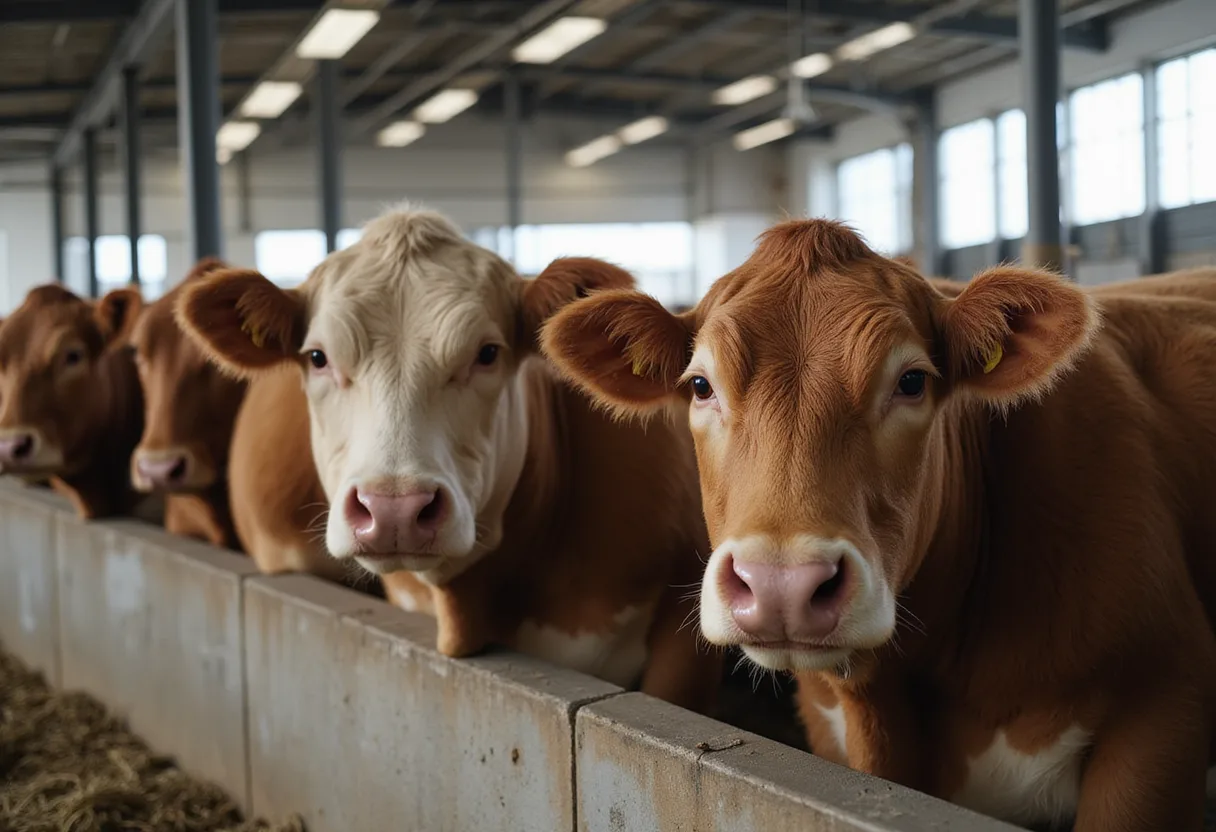
Feeder and live cattle futures closed lower on the Chicago Mercantile Exchange Thursday, pressured by signs of slowing beef demand and follow-through selling ahead of this week's direct cash trade between packers and feedyards.
November feeders fell 92 cents to $334.87 per hundredweight. January feeders dropped $1.97 to $328.42. December live was down 22 cents at $223.55, and February lost 70 cents to $225.85. Brownfield Ag News also reported the lean hog futures complex closed lower, though the wire's coverage cut off before contract data was published.
What drove Thursday's selling?
Two factors dominated the trade. First, signs of slowing beef demand at the wholesale level. Second, follow-through selling ahead of this week's direct trade. The futures weakness suggested buyers are reluctant to chase inventory into a softer cutout market, and commercials squared positions before cash negotiations begin.
Cattle futures have pulled back from recent highs as wholesale demand signals filtered through the chain. The CME feeder index, which links futures to local auction prices, has narrowed its premium to nearby contracts. Backgrounders and stocker operators face thinner margins when that basis compresses, even as feedlot placement costs keep cash feeders firm.
The December live contract's drop to $223.55 keeps the front month below its prior peak. February's decline to $225.85 widens the spread between the two contracts. November feeders' fall to $334.87 reflects buyer caution in the calf and stocker complex, with January losing $1.97 to $328.42 as deferred contracts absorbed the heaviest selling.
What does the lean hog slide add?
Brownfield's headline flagged lean hog futures in the same session, but the body cut off before contract data became available. Hog producers and packers have tracked parallel pressure in recent weeks, with the report's full breakdown unavailable at wire time. The combined weakness in cattle and hog futures kept a lid on the broader livestock complex.
How does the basis fit in?
The CME feeder index, which tracks auction prices across major cattle regions, sets the cash reference that feedyards and backgrounders use to price feeder cattle. When that index narrows its premium to futures, the trade signals buyers expect softer demand ahead.
The compression of that premium has coincided with the feeder cattle futures slide, and traders say the two move together.
For pork producers, the parallel pressure on lean hog futures compounds the revenue drag. Producers watch wholesale cutout movement as the leading indicator for cash hog trade, and any further softening there would extend the futures slide.
For feedlot operators, the direct cash trade is the next event risk. Packers typically negotiate fed cattle prices through the week, and the CME futures response to those sales sets the tone for the following session. Until direct trade clears and beef demand signals stabilize, the cattle complex stays on the defensive.
The market now waits for the direct cash trade to set the cash basis. The futures response to those sales will shape next week's direction across the livestock complex.
via Brownfield Ag News (Source)
More from Grace Kim
Show full bio
Correspondent covering people, launches and day-to-day practice in Agribusiness coverage for industry professionals at Agribusiness Wire.
453 articles