Lot No. LOT-3200 · offered October 9, 2026
Seeds, Crop Protection & FertilizerLot sheet
Fertilizer Prices Continue Downward Trend, DTN Tracker Confirms
DTN Progressive Farmer's latest fertilizer tracker shows wholesale nutrient prices extending a multi-month downtrend, easing a major input cost line for corn, soybean and wheat growers ahead of fall and spring application windows.
Market notes
- DTN Progressive Farmer reports wholesale fertilizer prices continuing a downward trend in its most recent tracker
- The trend has now extended across multiple consecutive reporting periods
- Fertilizer is typically the second-largest variable cost line for corn operations after land rent
- The DTN tracker compiles dealer-quoted prices from a regional network across the Corn Belt, Plains and Delta
- Three watch items for the next application window are natural gas/ammonia benchmarks, Chinese and Russian export quotas, and fall ammonia application pace
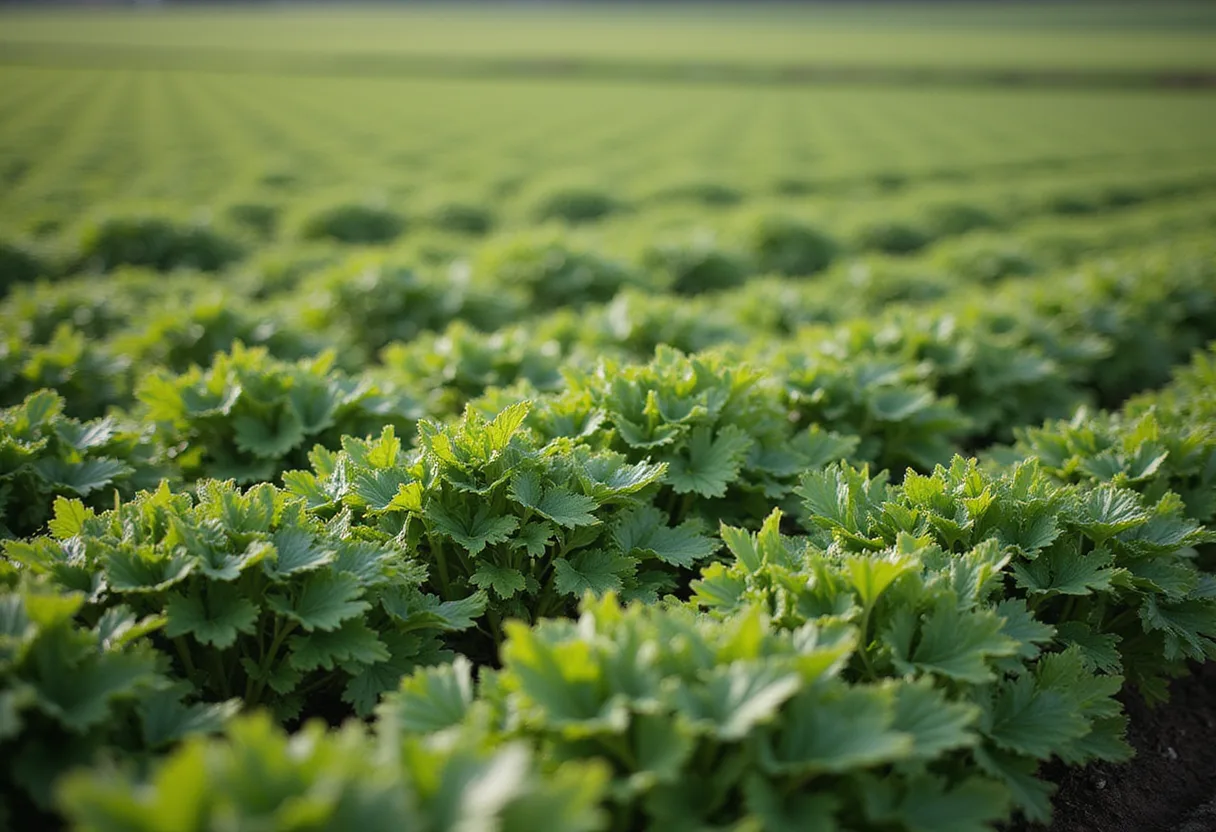
DTN Progressive Farmer's latest fertilizer market tracker shows wholesale nutrient prices extending a downward trend that has now stretched across multiple reporting periods, narrowing a major cost line for row-crop operators heading into fall application and the next spring planning window.
What is the DTN tracker showing?
The headline from DTN's market desk is the core data point: prices across the major nutrient categories — nitrogen, phosphate and potash — are still moving lower against the prior survey window. DTN compiles dealer-quoted figures from a regional network spanning the Corn Belt, the Plains and the Delta, and the most recent print points to continued softness rather than a basing pattern.
Why does the direction matter more than the level?
For growers, the trajectory of fertilizer is one of the single largest swing factors in a per-bushel break-even calculation, often trailing only land rent in a corn budget. A sustained downshift compresses the cost side of the margin equation in the opposite direction of a price rally — narrowing the gap between projected revenue and cash costs. It does not, however, address the fixed-cost components that have continued to climb, including cash rent, equipment financing and labor.
- Lower nitrogen values reduce the per-acre bill for corn, which absorbs the bulk of U.S. nitrogen demand.
- Softer phosphate and potash prints ease the budget for soybean and wheat rotations.
- A multi-month trend, rather than a one-week move, is what lets operators lock in fall or spring bookings with confidence.
What categories are driving the move?
DTN's coverage breaks fertilizer into the three primary macronutrient groups, and producers typically watch each against distinct supply-side drivers. Nitrogen pricing responds to natural gas costs, global urea and UAN trade flows, and the Northern Hemisphere application calendar. Phosphate reacts to Moroccan, Chinese and U.S. (Mosaic) export posture and to ammonia input costs. Potash tracks Belarusian, Russian and Canadian export availability alongside barge logistics on the Mississippi system.
A coordinated move lower across all three suggests demand-side pressure — including reduced application rates, switching to more economical formulations, and the broader acreage mix shift toward soybeans — is doing at least as much work as any single supply shock.
How are cooperatives and retailers responding?
Dealer-level behavior tends to follow the trend. When DTN's series prints lower for consecutive periods, retailers and cooperatives typically:
- Pull advertised cash prices down to clear inventory before the next barge or rail shipment.
- Re-price prepay and forward contracts to defend volume against competitors.
- Tighten credit terms on large-tonnage bookings as margins on the resale narrow.
The trade-off for growers is timing: booking early captures the lower trend, but raises the risk of further declines before product is actually applied. Booking late preserves optionality, but exposes the buyer to a rebound if global supply tightens.
What should producers watch next?
Three signals will determine whether the DTN trend continues, flattens, or reverses into the next application window: the trajectory of natural gas and ammonia benchmarks in the weeks ahead, the size of any new Chinese or Russian export quotas, and the pace of fall ammonia applications in the Midwest, which DTN tracks alongside its price series.
Until those prints cross, the prevailing read from the DTN tracker is that fertilizer remains a buyer's market — a posture growers have not consistently seen since the period before the 2022 input spike, and one that, if it holds, will feature prominently in next year's cost-of-production calculations.
via Google News: Fertilizer markets (Source)
More from Marcus Bennett
Show full bio
Senior reporter covering regulation, policy and their impact on Agribusiness coverage for industry professionals at Agribusiness Wire.
410 articles
Also in the yard
- DTN Tracker: Five Fertilizer Prices Slide, Three Climb Month-Over-Month
- Six Fertilizer Prices Post Sizeable Moves Higher: DTN
- DTN Survey: Fertilizer Prices Fall Again for Six of Eight Nutrients
- DTN: Some Fertilizer Prices Drop, Ending 14-Week Climb
- Anhydrous Ammonia Crosses $1,000 Per Ton as Fertilizer Prices Climb