Lot No. LOT-2762 · offered October 9, 2026
Commodity MarketsLot sheet
Grain Futures Climb as Crop Tour Data Flags Yield Concerns
Corn and soybean futures gained after field scouts returned from this season's crop tours with yield estimates below trade expectations, Farms.com reported, sharpening market focus on the fall harvest outlook.
Market notes
- Grain futures rose after field scouts returned from crop tours with yield estimates below trade expectations, per Farms.com.
- Farms.com published the finding under the headline 'Grain Prices Rise as Crop Tours Raise Yield Concerns.'
- The Farms.com report frames a market direction without disclosing specific tour routes, state-level yields, contract months or settlement prices.
- Crop tours typically serve as the first independent check on USDA's August and September Crop Production estimates.
- The next major data point is USDA's September Crop Production report.
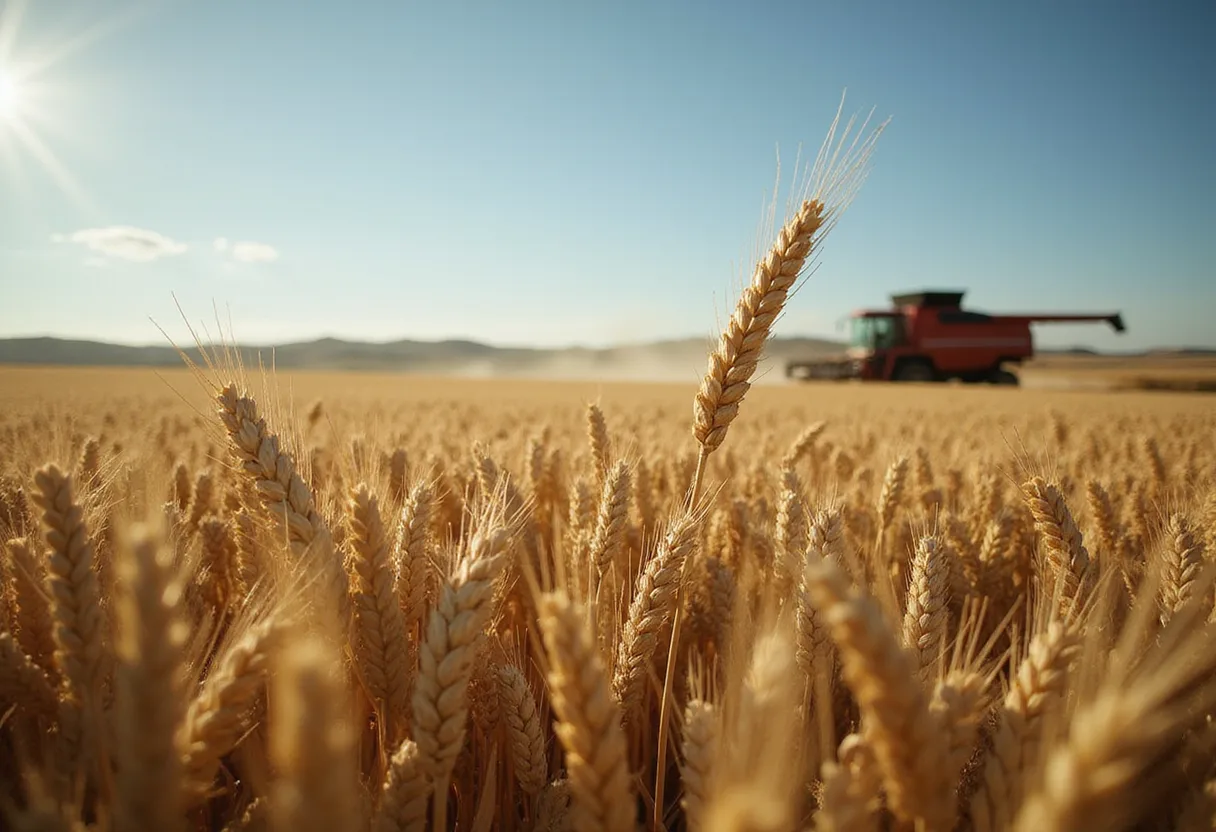
Corn and soybean futures gained ground after field scouts returning from this season's crop tours delivered yield estimates that fell short of trade expectations, Farms.com reported under the headline "Grain Prices Rise as Crop Tours Raise Yield Concerns."
The Farms.com story frames a market response without disclosing specific tour routes, state-level yield calculations, contract months or settlement prices. What the headline does establish is a clear directional move: prices rose, and the catalyst was yield data gathered in the field rather than revisions to balance sheets from Washington.
How do crop tours move markets?
Annual crop tours send teams of analysts, farmers and traders into corn and soybean fields on foot across the U.S. Corn Belt's late-summer scouting window. They count ears per acre, kernel rows per ear, pods per plant and assess stand health, then aggregate the raw counts into state and national yield estimates. Because the surveys arrive between USDA's August and September Crop Production reports, they often serve as the first independent check on the agency's projections. When tour results diverge from what the trade has priced in, futures adjust within minutes of the daily tour updates.
Why does the Farms.com headline matter?
End-users — ethanol plants, soybean crushers, livestock feeders and export merchandisers — recalibrate coverage whenever yield estimates shift. Speculative funds reposition on the same data, sometimes triggering limit moves in the most actively traded contract months. Even without specific price levels in the Farms.com report, the underlying mechanism is familiar to anyone who has watched a Crop Production release: a lower-than-expected yield figure tightens the supply outlook, supports futures and lifts cash basis at interior elevators and processing plants.
What did the tour find?
The Farms.com headline points to yield concerns, not specific shortfalls. That distinction matters: a tour can flag stress in pollinated corn, reduced pod counts in soybeans, or disease pressure without producing a definitive national number. Readers looking for ear counts, kernel rows and pod numbers will need to track the original tour publications that Farms.com is aggregating.
What should merchandisers and growers do?
Grain merchandisers at cooperatives and processors typically use the August-September tour window to rebalance hedge ratios, revisit delivery commitments and check basis structures. Old-crop bushels still in on-farm bins gain value when futures rise, while new-crop sales decisions turn on whether the tour findings hold up against USDA's next objective yield survey, due with the September Crop Production report. Input costs — fertilizer, fuel, seed and crop protection — sit on the other side of the ledger, and any revenue bump from higher futures will be measured against those fixed expenses.
Policy is also in play. Farm bill discussions, crop insurance price elections and ARC/PLC payment calculations all depend on the season-average price that emerges from monthly futures closes. A yield-driven rally sustained into fall could nudge price elections higher, tightening the safety net for the following crop year and influencing planting decisions for the next season.
Looking ahead
The next data test is USDA's September Crop Production report. If the tour findings hold, that release will likely confirm a tighter balance sheet and keep basis firm into harvest. If the tour overstates the damage, futures will give back recent gains as combines roll and on-farm yields prove stronger than the foot scouts suggested. Until then, the Farms.com headline — prices up, yields questioned — captures the market's working assumption and the source material currently available to agribusiness readers.
via Google News: Grain prices (Source)
More from Grace Kim
Show full bio
Correspondent covering people, launches and day-to-day practice in Agribusiness coverage for industry professionals at Agribusiness Wire.
459 articles