Lot No. LOT-8394 · offered October 15, 2026
Seeds, Crop Protection & FertilizerLot sheet
Grain SA Frames Post-Terbufos Crop Protection Path
Grain SA's position piece on post-terbufos crop protection signals acceptance of the regulatory action and directs South African growers toward IPM and stewardship of remaining soil-applied chemistries ahead of the upcoming summer planting window.
Market notes
- Grain SA published a position piece titled 'Responsible Crop Protection After Terbufos Ban'.
- Terbufos is an organophosphate granular insecticide previously applied at planting in South African maize and sorghum systems.
- The South African terbufos regulatory trajectory spans more than a decade of successive restrictions before the final action.
- Grain SA represents commercial producers across maize, wheat, soybean, sunflower, sorghum, and groundnut value chains.
- The piece arrives ahead of the upcoming South African summer planting window.
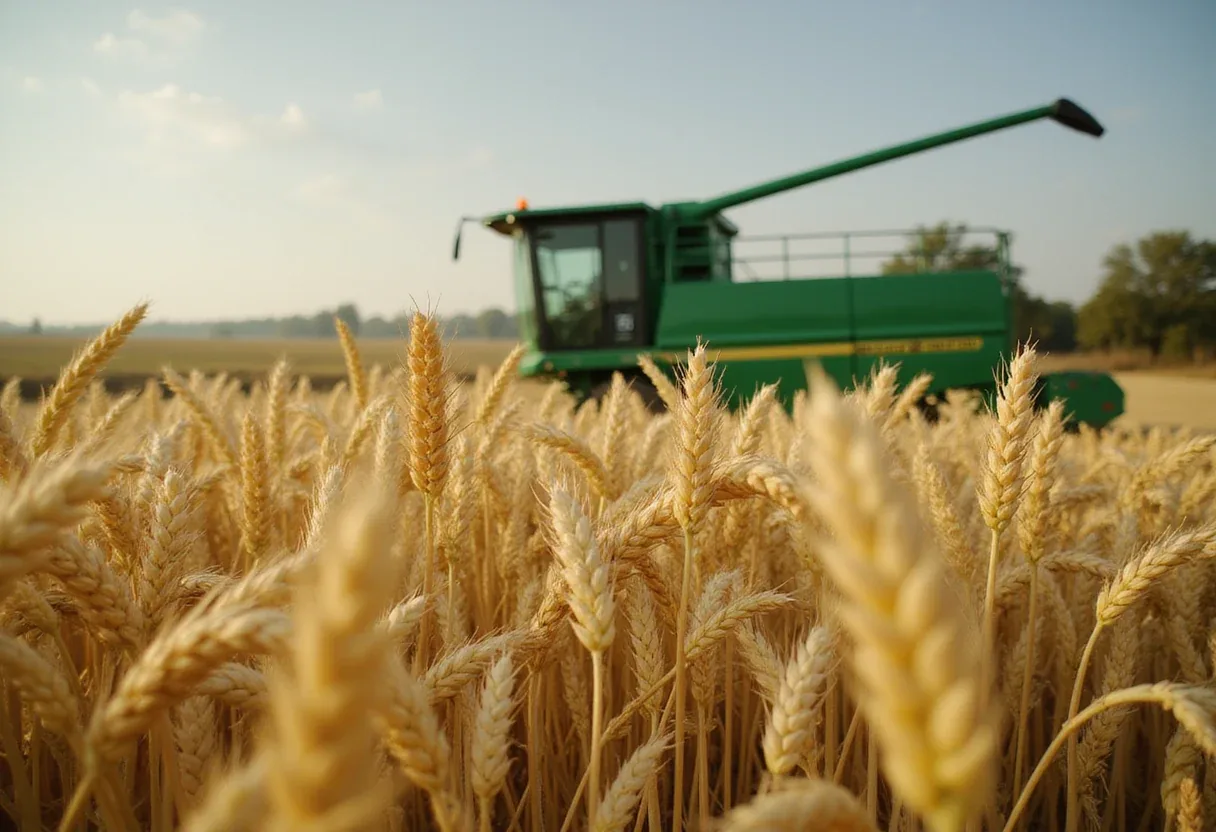
Grain SA has published a position piece titled "Responsible Crop Protection After Terbufos Ban," entering the regulatory aftermath that has reshaped pest management options for South African grain producers.
What does the ban change for South African growers?
The article, distributed through Grain SA's news service, opens with a stewardship directive rather than a regulatory challenge. By naming "responsible crop protection" in its headline, the producer organization directs members toward integrated pest management (IPM, a layered approach combining cultural, biological, and selective chemical controls) and careful stewardship of remaining soil-applied chemistries.
That framing signals acceptance of the action that removed terbufos, an organophosphate granular insecticide, from the South African market. Grain SA represents commercial producers across maize, wheat, soybean, sunflower, sorghum, and groundnut value chains, reaching farm managers, input retailers, and cooperatives across the country's summer and winter grain belts.
Terbufos had been a standard recommendation in Grain SA's agronomy communications for stand-establishment protection, particularly in no-till and minimum-till maize systems. Its removal eliminates the granular at-planting option that many commercial operations had relied on for more than a generation.
Why is the regulatory trajectory important?
The South African terbufos question has run for more than a decade, with successive restrictions driven by concerns over avian mortality, water contamination, and applicator exposure. Grain SA's choice to lead its response with "responsible" rather than contest the outcome indicates a producer pivot toward compliance messaging aimed at members who may still hold product.
The producer organization's tone — compliance-first rather than adversarial — reflects a broader shift in South African agricultural policy toward pesticide stewardship. Grain SA's communication strategy treats the ban as settled and the work as implementation.
Each successive restriction narrowed the application window, applicator certification requirements, and buffer zone distances. The final action removed the active ingredient from approved use altogether, leaving existing stocks subject to phase-out timelines set by the regulator.
What alternatives does the framework endorse?
The position piece points growers toward seed-applied insecticide and nematicide packages, biological controls, and rotation-based mitigation. Seed treatment combinations that include neonicotinoid insecticides with biological nematicides now carry the agronomic load terbufos once shouldered alone.
Integrated pest management, the term Grain SA invokes in the piece, rests on scouting thresholds, rotation breaks, and targeted chemical use rather than calendar-based application. Where a terbufos program meant one purchasing decision at planting, the IPM approach now asks growers to weigh multiple product decisions across the season.
For input suppliers, cooperatives, and retail agronomists serving Grain SA members, the ban resets the spring product mix. Planter-mounted granular insecticide boxes, historically calibrated for terbufos, require recalibration or retrofit. Seed treatment catalogs gain prominence in sales conversations, and biological product lines move from niche offerings to core recommendations on the cropping plan.
Cooperative procurement managers are working through the financial mechanics of the transition. Planter retrofit costs, new seed treatment premiums, and potential yield exposure during the first ban-free season all factor into per-hectare cost calculations — a stack of line items that can run several times larger than the single terbufos application it replaces.
Crop insurance providers are reviewing how stand-establishment clauses account for the absence of terbufos in pest pressure zones where it had been standard practice.
What comes next?
Grain SA's article arrives ahead of the upcoming summer planting window in South Africa. Whether the alternatives endorsed under the "responsible crop protection" banner can match terbufos on stand protection, pest spectrum, and per-hectare cost will determine how cleanly South African grain producers make the transition — and whether the residual chemistry toolkit remains intact long enough to support a multi-season shift.
via Google News: Crop protection (Source)
More from Rebecca Stone
Show full bio
Market editor covering people, launches and day-to-day practice in Agribusiness coverage for industry professionals at Agribusiness Wire.
427 articles
Also in the yard
- IPM in Africa: Five Shifts Crop Protection Firms Must Make for Growers
- GSFC Adds Seven Sardar-Branded Crop Protection Products to Portfolio
- GSFC Rolls Out Seven Crop Protection Products Under 'Sardar' Brand
- GSFC launches seven 'Sardar' branded crop protection products
- BASF Agronomists Detail No-Till Crop Protection Guidance