Lot No. LOT-2328 · offered October 13, 2026
Seeds, Crop Protection & FertilizerLot sheet
Indofil Launches Curatis Fungicide for Brazilian Growers
Indofil launched Curatis, a new fungicide, in the Brazilian market. The product enters Latin America's largest soybean economy ahead of the 2024-25 planting season. Active ingredient, pricing and distribution details remain undisclosed.
Market notes
- Indofil introduced a fungicide called Curatis to the Brazilian market ahead of the 2024-25 soybean planting season
- Brazil is the world's largest soybean producer; planting begins in September and harvest closes in early 2025
- The Brazilian agrochemical sector already includes BASF, Bayer, Corteva, Syngenta, and FMC alongside domestic formulators
- Indofil built its crop-protection business in India before expanding into Latin American markets
- Active ingredient, formulation, pricing, registration status, and distribution channels for Curatis remain undisclosed
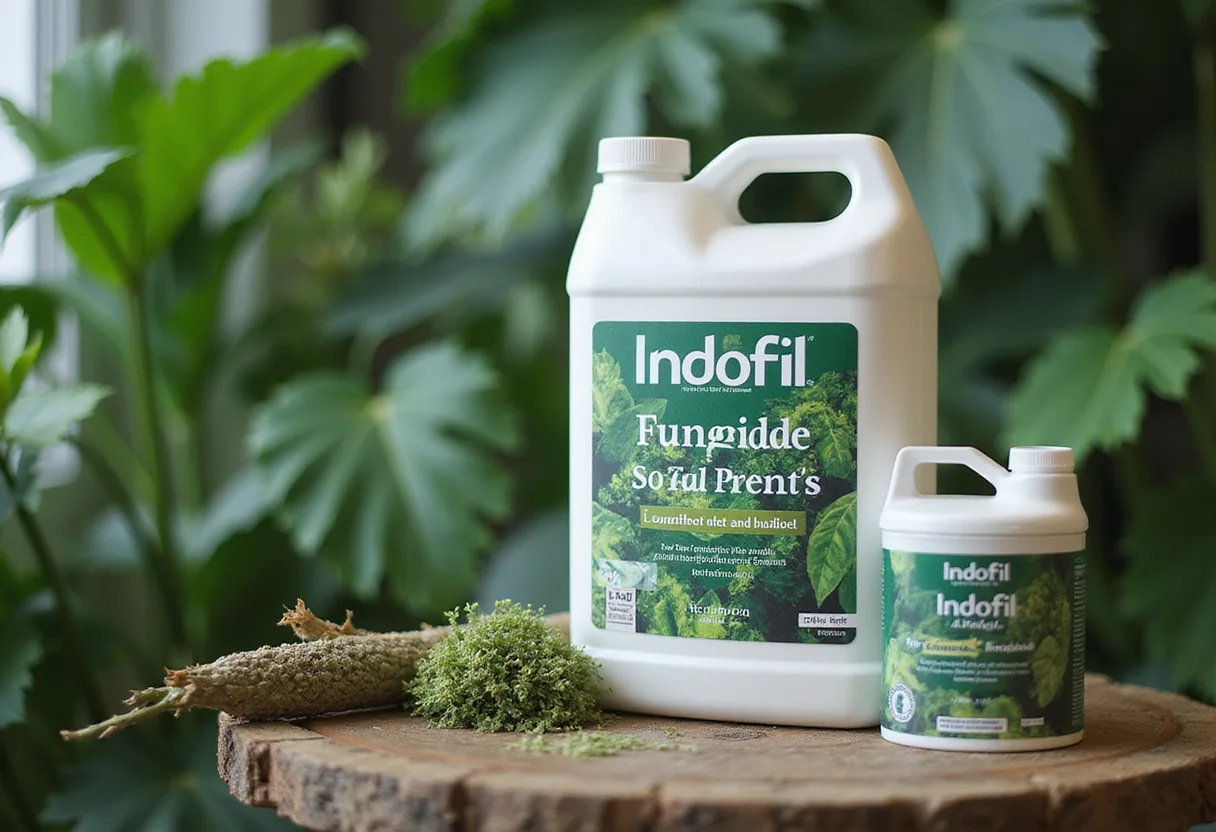
Indofil launched Curatis, a new fungicide, in the Brazilian market. The Indian crop-input maker placed the introduction ahead of Brazil's soybean planting season.
Brazil sits as the world's largest soybean producer. Asian soybean rust has reshaped spray programs across the country's center-west and south for more than two decades. Brazilian growers typically apply fungicides two to four times per season to protect yield from a pathogen that can defoliate plants within weeks under warm, wet conditions.
What does the launch change for Brazilian input buyers?
A new entrant adds supply to a market already crowded with multinational suppliers. The Brazilian agrochemical sector includes BASF, Bayer, Corteva, Syngenta, and FMC alongside domestic formulators and Chinese manufacturers. Curatis enters that competitive field without disclosed details on active ingredient, formulation, target disease, registration status, or pricing.
The specific composition will appear in Brazil's Ministry of Agriculture agrochemical registry once approved. Until then, retailers and cooperatives cannot quote Curatis to growers planning fall applications. Cooperative buying groups in Mato Grosso and Paraná typically lock in fungicide programs before the first spray window opens in November, and Curatis has no approved label to quote.
Where does the launch fit in Indofil's global footprint?
Indofil built its crop-protection business in India. The company supplies Asian growers with branded fungicides and insecticides. The Brazilian entry extends that reach into Latin America, where soybean producers rank among the world's largest per-hectare fungicide users by volume applied each season.
The launch follows Indofil's prior international expansion into other emerging markets across Asia and Africa. Brazilian agriculture represents a step up in scale for any supplier entering from outside the major multinational cohort, given the country's position as the largest soybean exporter globally.
What does this mean for farm margins?
Brazilian soybean margins have compressed over recent seasons. Crop-chemical costs rose faster than commodity prices received by growers in the country's center-west. Any new supply from a non-multinational supplier could pressure incumbent pricing at the retailer level, although the magnitude depends on commercial terms not yet disclosed.
Growers in Mato Grosso, Paraná, and Goiás will weigh Curatis against established products once registration clears and pricing emerges. The soybean planting begins in September in those states. Cooperative procurement officers will evaluate the new product alongside incumbent rust fungicides that have held market share for multiple seasons.
What remains unanswered?
The active ingredient and mode-of-action classification top the list of unknowns that will determine Curatis's reception among soybean, corn, and sugarcane growers in Brazil's largest producing states. Those attributes govern resistance-management positioning in Brazilian rust programs, where pathogen shifts have eroded single-site chemistries over time.
The price point relative to existing rust fungicides shapes adoption among cost-conscious operators managing compressed margins across thousands of hectares each season. A partnership with one of Brazil's major agricultural retailers would accelerate reach among smaller growers operating thousands of hectares each season.
What to watch next
Industry observers will track Brazil's agrochemical registration database for the active ingredient disclosure, with registrants publishing technical-grade labels before the soybean harvest ends in early 2025. A mode-of-action class different from existing rust fungicides would mark Curatis as a meaningful rotation tool. A chemistry duplicating existing products would position the launch as a generic alternative. Brazilian growers already manage rust across millions of hectares each season using established products.
via Google News: Crop protection (Source)
More from Marcus Bennett
Show full bio
Senior reporter covering regulation, policy and their impact on Agribusiness coverage for industry professionals at Agribusiness Wire.
413 articles
Also in the yard
- Indofil Rolls Out Curatis Fungicide in Brazil's Soybean Market
- FMC Files Rimisoxafen in Brazil, Reshaping Crop Protection Case
- FMC's Brazil Rimisoxafen Filing Tests Crop Protection Investment Case
- Biopesticides Draw Global Manufacturers to U.S., Brazil Markets
- Anvisa Weighs Adding Trichoderma asperelloides to Brazil's Approved List