Lot No. LOT-9211 · offered October 9, 2026
Seeds, Crop Protection & FertilizerLot sheet
Iowa State Data: 22% Yield Loss When Corn Weeds Reach 12 Inches
As corn and soybean growers move from 2026 harvest into next-season planning, Iowa State data show weed control delays can cost 22% of yield. Purdue, BASF and XtremeAg experts detail where bushels disappear.
Market notes
- Iowa State University data from 37 Corn Belt experiments show average corn yield loss rising from 0% at 2-inch weed height to 2% at 4 inches, 6% at 6 inches and 22% at 12 inches.
- Purdue Extension recommends evaluating replanting when corn stands fall approximately 30% below the target population.
- Five lost soybean seeds per square foot at harvest equal roughly one bushel per acre of loss, according to Purdue Extension.
- Dan Quinn, Purdue Extension corn specialist, and Clint Frese of XtremeAg frame yield protection as a cumulative, season-long system rather than a late-season rescue.
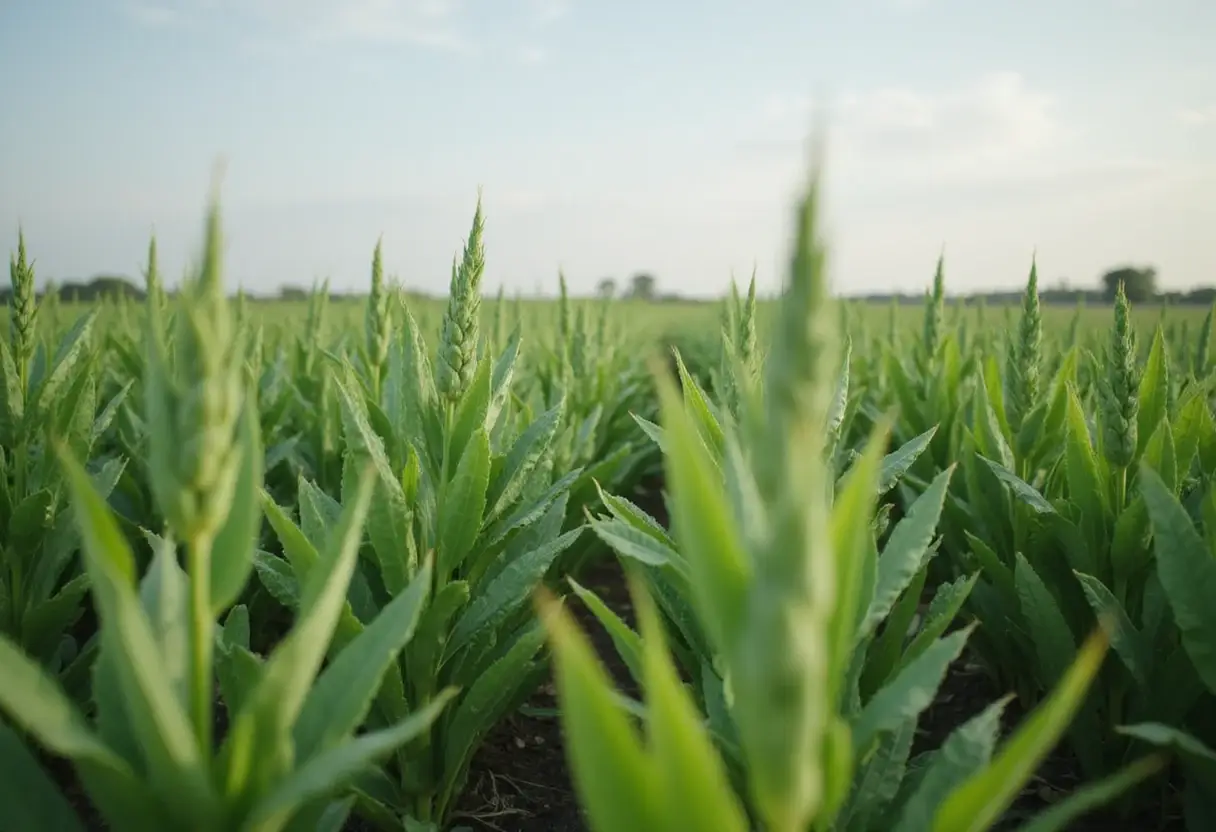
Controlling weeds at 4 inches costs corn growers an average 2% of yield; allowing weeds to reach 12 inches before removal drives that loss to 22%, according to Iowa State University Extension data drawn from 37 Corn Belt experiments.
The figures underscore a broader message agronomists delivered to U.S. corn and soybean producers moving from the 2026 harvest into next-season planning: yield protection is cumulative, not a single-season rescue operation.
Dan Quinn, Purdue Extension corn specialist, frames yield as the product of decisions stretching from seed in the soil to grain in the combine. "A crop can survive several individual stresses and still produce respectable yields," Quinn said, "but small penalties can compound throughout the growing season."
For farmers facing tighter margins, volatile commodity prices and elevated input costs, identifying those losses early now carries as much weight as chasing higher theoretical yield potential.
How much yield does late weed control really cost?
Iowa State research quantifies what scouts see in the field:
- Weeds controlled at 2 inches: 0% average yield loss
- Weeds controlled at 4 inches: 2% average loss
- Weeds controlled at 6 inches: 6% average loss
- Weeds controlled at 12 inches: 22% average loss
Actual losses vary with weed pressure, environment and management system, but the direction is consistent. Early-season competition for water, nutrients and light arrives precisely when yield potential is being set.
Where does the season's first avoidable loss begin?
Farmer and XtremeAg partner Clint Frese pushes growers beyond routine soil testing. He recommends examining elevation, drainage and field variability before the planter enters the field.
Irrigated operations should also evaluate water mineral content. "Poor drainage, nutrient availability and field variability can create yield limitations before planting begins," Frese said.
Equipment preparation sits in the same conversation. Planter wear, damaged components and incorrect settings affect seed placement, depth and seed-to-soil contact across thousands of acres.
Uneven emergence forces plants to compete for sunlight, water and nutrients from the moment they break through. Growers end up managing variability that originated during a brief planting window.
How does planting timing affect emergence?
Jared Roskamp, a BASF technical service representative, pointed to 2026 as an example of growers operating under less-than-ideal conditions. Planting into wet soils compromises seed-to-soil contact and creates problems that persist through harvest.
Waiting carries its own risk because delayed planting reduces yield potential. The management challenge is identifying when soil conditions support consistent emergence, not simply planting as early as possible.
When does replanting make economic sense?
Quinn recommends evaluating replanting when stands fall approximately 30% below the target population, with adjustments for economics and seed availability. Large gaps from flooding or planter failure make the call relatively straightforward.
Less uniform stands require more judgment. Destroying an established crop carries its own costs, delays and yield risks. Modern corn hybrids and soybeans tolerate lower populations better than older genetics, making stand quality as important as raw plant counts.
What happens at pollination?
Corn becomes especially vulnerable around reproduction. Quinn identifies pollination as a period when daily yield losses can accelerate, with drought, nutrient deficiencies, foliar disease and severe weather all capable of cutting final production.
Roskamp points to appropriately timed fungicides, insecticides and, where agronomically justified, foliar nutrition as tools growers may consider. The economic question is whether expected protection justifies another application after substantial capital is already invested in the crop.
How much yield leaves the field at harvest?
Purdue Extension offers a practical benchmark in soybeans: for medium-sized or smaller seed, roughly five lost seeds per square foot equal about one bushel per acre of harvest loss. Measuring losses behind the combine yields actionable information.
Frese says his operation sometimes begins harvesting certain hybrids at higher moisture to limit "phantom loss" and header losses tied to overly dry corn. The strategy balances field loss against drying costs, grain moisture and harvest capacity.
For producers reviewing 2026 results and preparing for another season, the framework shifts the review question. Instead of asking only where yields were highest or lowest, growers can identify where potential bushels were lost during the production cycle and whether those losses were preventable. Recovering small efficiency gains across multiple stages will weigh directly on both final yield and farm profitability in the season ahead.
via Google News: Crop protection (Source)
More from Rebecca Stone
Show full bio
Market editor covering people, launches and day-to-day practice in Agribusiness coverage for industry professionals at Agribusiness Wire.
441 articles
Also in the yard
- Weed Scientists Urge Growers to Hit Cover Crop Windows in Grain Systems
- Stalled Farm Bill Tops Concerns for Illinois Soybean Association
- Soybean Growers Welcome New Crop Protection Tool Approvals
- BASF Agronomists Detail No-Till Crop Protection Guidance
- Crop Protection Market to Exceed $106 Billion by 2030