Lot No. LOT-3900 · offered October 9, 2026
Crop EconomicsLot sheet
K-31 tall fescue prices climb, lifting grass seed outlook
Capital Press reports climbing K-31 tall fescue prices, a signal that should carry into the broader grass seed market anchored by Oregon's Willamette Valley growers.
Market notes
- K-31 tall fescue prices are climbing, according to Capital Press
- Capital Press reports the move should carry into the broader grass seed market
- Oregon's Willamette Valley produces the bulk of U.S. cool-season grass seed
- K-31 is marketed as Kentucky 31 and anchors U.S. tall fescue plantings
- Tall fescue is a perennial, so seed supply adjusts over multiple years rather than weeks
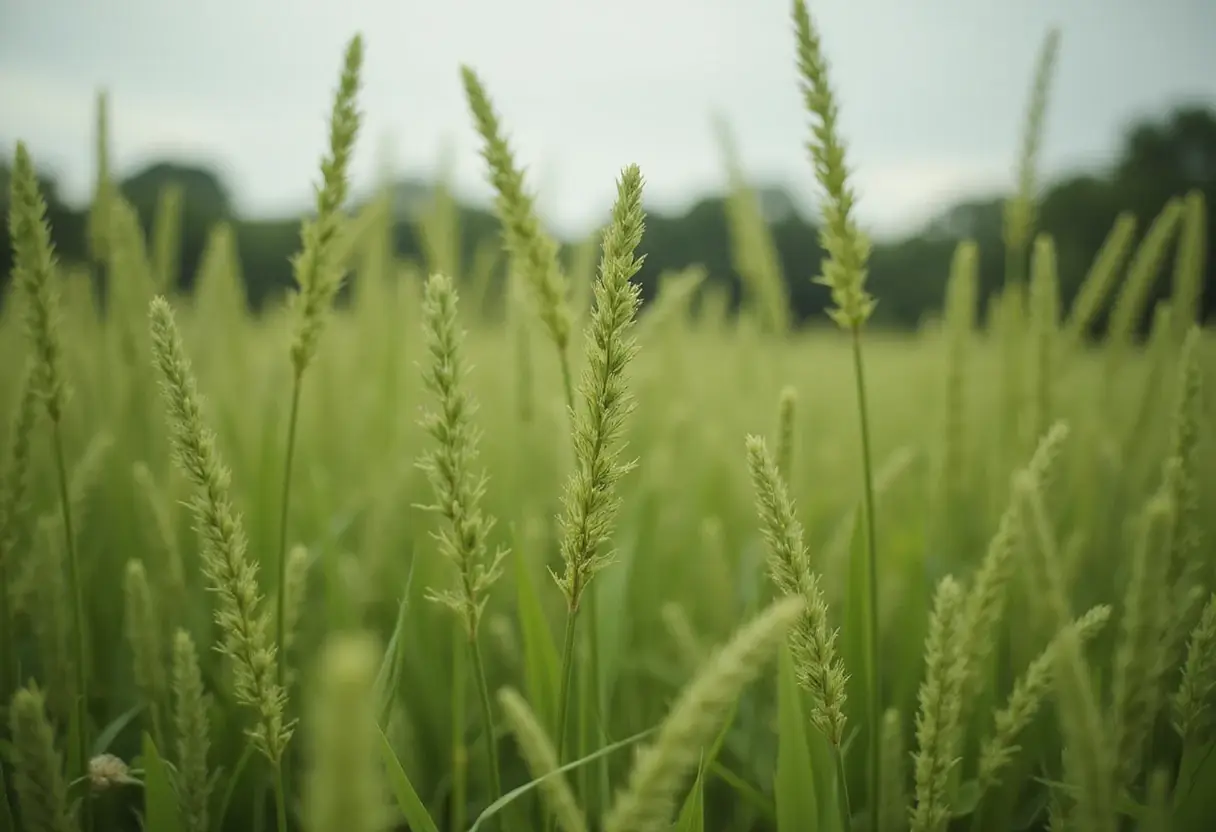
K-31 tall fescue prices are climbing, a trend Capital Press reports should carry into the broader grass seed market this season.
The cultivar, marketed as Kentucky 31, anchors tall fescue plantings across U.S. pasture and forage programs and competes with newer endophyte-friendly varieties for stocker cattle, cow-calf, and dairy operations. Production sits overwhelmingly in Oregon's Willamette Valley, where growers also raise perennial ryegrass, orchardgrass, and fine fescues for domestic and export channels.
What does the K-31 price move signal?
A rebound in K-31 typically reflects tightening carryover rather than a sudden expansion of planted acres. Tall fescue is a perennial, so seed supply adjusts over multiple years, not weeks. Buyers watching Willamette Valley dealer quotes and certified seed volumes will read the move as a tightening balance sheet rather than a sudden demand shock.
That distinction matters on both sides of the contract. Seed companies setting fall terms can expect firmer offers, especially for K-31 lots that have aged in storage. Cow-calf operators rebuilding pasture after dry seasons will see higher per-acre seed costs, eating into margins that have already absorbed elevated fertilizer and fuel bills.
Why K-31 sets the pace
K-31 has long functioned as the price-sensitive benchmark of the tall fescue market. Newer novel-endophyte varieties command premiums because they avoid the ergot-alkaloid toxicity tied to K-31's native endophyte, yet K-31 remains the volume leader on cost alone. When K-31 strengthens, neighboring varieties typically follow, and Willamette Valley growers holding carryover benefit first.
The cultivar also supports tall fescue export channels, where K-31 frequently serves as a reference price in international contracts.
What the headline doesn't tell you
The published item carries the headline without additional detail. Specific per-pound values, contracted volumes, and the pasture-versus-turf split are not in the headline. Readers looking for a comparison to last year's tall fescue crop, or for certified seed volumes reported through Oregon grower associations, will need the underlying reporting.
Capital Press covers Pacific Northwest seed markets closely and typically tracks Willamette Valley dealer quotes, certified acreage, and grower returns reported through state and regional grower associations.
What to watch next
- Whether endophyte-friendly and novel-endophyte tall fescues follow K-31 upward
- Fall seeding demand from cow-calf operators rebuilding pasture stands
- Export pull into markets where tall fescue competes with ryegrass
- Carryover stocks entering the next marketing year
A sustained K-31 price would tighten margins for buyers and improve returns for Willamette Valley growers who absorbed lean years. Whether the move broadens across other grass seed classes will frame the next Capital Press update.
via Google News: Seed industry (Source)
More from Olivia Hart
Show full bio
News editor covering technology and product news in Agribusiness coverage for industry professionals at Agribusiness Wire.
421 articles
Also in the yard
- Volatile fertilizer market could reshape how farmers buy inputs
- Oregon Grass Seed Growers Get a Farmer as Lead Negotiator
- iGrow News Releases Weekly Fertilizer Price Update for Week Ending Aug. 31
- Phosphate Cutbacks Expected This Fall as Fertilizer Prices Bite
- Fertilizer Costs to Rise for Farmers Heading Into 2027