Lot No. LOT-9855 · offered October 9, 2026
Trade & ExportsLot sheet
Kyiv Rejects Permanent Caps on Ukraine Grain Sales to EU
Ukraine rejects permanent caps on grain sales to the EU, Agriculture Minister Vysotskyi says, hardening Kyiv's position in the farm-trade dispute with Brussels.
Market notes
- Agriculture Minister Vysotskyi said Ukraine rejects permanent limits on grain sales to the EU.
- The statement is a policy position, not a new trade measure; no volumes or dates were announced.
- The dispute affects grain flows at the center of Ukraine-EU farm trade tensions.
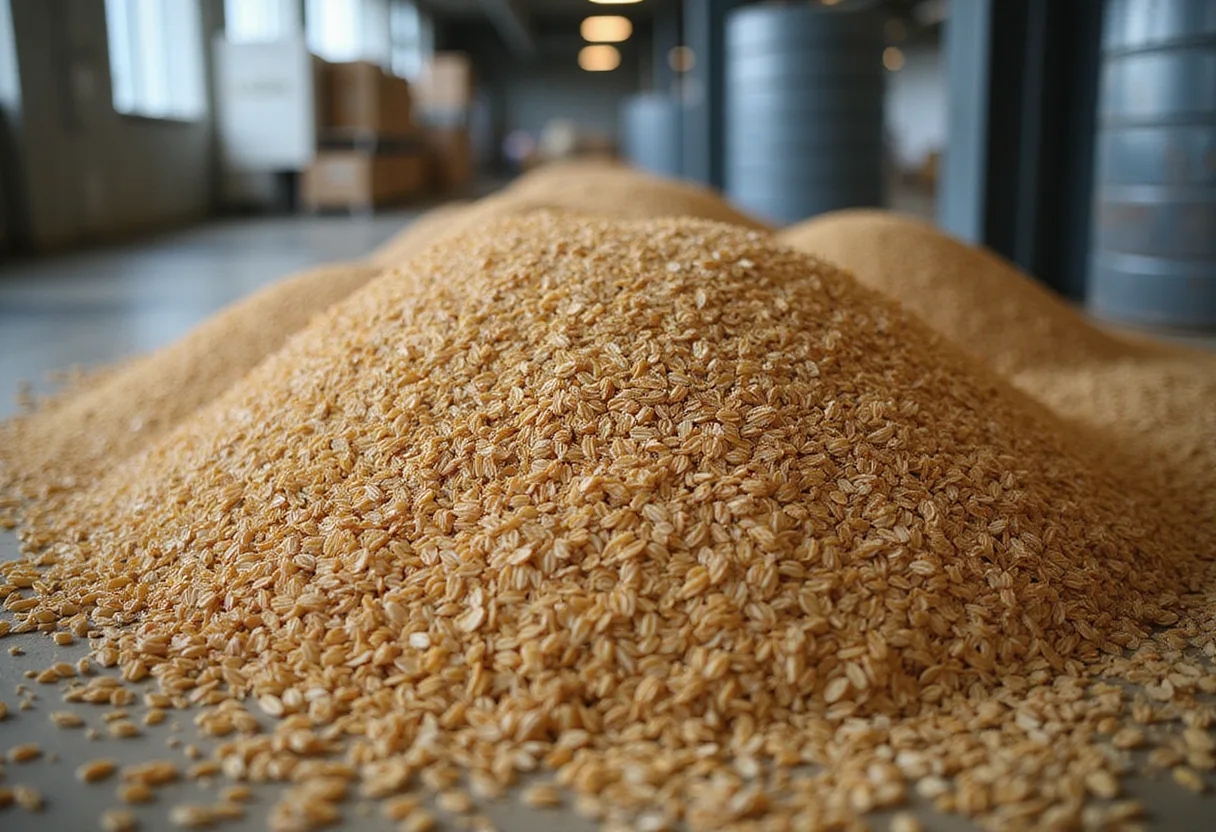
Ukraine has rejected the idea of permanent limits on its grain sales to the European Union, Agriculture Minister Vysotskyi said, according to a Kyiv Post report, closing the door — for now — on one of the most contentious farm-trade disputes between Kyiv and Brussels.
The minister's statement sets a clear negotiating position: Ukraine will not accept a permanent cap on grain volumes moving into EU markets. For European growers who have pressed for binding safeguards against Ukrainian supply, and for Ukrainian exporters who depend on EU corridors since Black Sea routes came under pressure, the declaration marks a firm line ahead of any further talks.
Why does the rejection matter for growers on both sides?
Central European farm groups — particularly in Poland, Hungary, Slovakia and Romania — have argued that surging Ukrainian grain inflows depressed local basis and squeezed margins for domestic producers. Ukrainian exporters and their cooperatives counter that EU-bound sales are a commercial lifeline and that any permanent ceiling would lock in revenue losses.
Vysotskyi's refusal to entertain permanent limits means the dispute moves back to the terrain of temporary, conditional measures rather than structural quotas. Any instruments Brussels may propose would need to fit around Kyiv's stated position, which treats open EU market access as non-negotiable in the long run.
What does this change in practice?
Nothing changes immediately. The statement is a policy declaration, not a trade measure, and no new volumes, tariff lines or licensing schemes were announced. Traders, cooperatives and input buyers on both sides of the border face the same commercial conditions they faced before the minister spoke.
What the statement does change is the negotiating baseline. Any future EU proposal for durable restrictions on Ukrainian grain now meets an explicit refusal from Kyiv, raising the political cost of such measures and shifting the debate toward monitoring mechanisms, licensing arrangements or time-limited safeguards that fall short of permanent caps.
For EU processors and feed buyers, who have benefited from competitive Ukrainian maize and wheat supply, the position supports continued availability. For competing EU growers, it removes the prospect that a fixed ceiling will protect their market share, leaving them reliant on whatever shorter-term instruments negotiators can agree.
What comes next?
Further talks between Ukrainian and EU officials on trade terms are the likely venue for the next move. Until Brussels and Kyiv agree on concrete instruments, Vysotskyi's declaration stands as Ukraine's position: no permanent limits, and market access treated as a long-term given rather than a bargaining chip.
via Google News: Agricultural trade (Source)
More from Nathan Brooks
Show full bio
Staff writer covering regulation, policy and their impact on Agribusiness coverage for industry professionals at Agribusiness Wire.
466 articles
Also in the yard
- Kyiv Rules Out Permanent EU Curbs on Farm Exports and Subsidies
- Ukraine Asks EU for €1.1 Billion to Sustain Farm Export Flows
- Ukraine Asks EU for €1.1 Billion to Keep Farm Exports Flowing
- Ukraine Seeks German Ports for Farm Exports, Minister Says
- Ukrainian farmers losing planting incentives as world grain demand persists