Lot No. LOT-9099 · offered October 16, 2026
Farm MachineryLot sheet
Late-Model Farm Equipment Inventories Climb; Prices Begin to Bend
Late-model farm equipment supply runs high on U.S. dealer lots while used tractor and combine prices start to soften, Successful Farming reports, with trade-in offers resetting and dealer floor-plan pressure building.
Market notes
- Late-model farm equipment inventory is running high on U.S. dealer lots, per Successful Farming.
- Prices on used tractors and combines are starting to bend lower.
- Late-model units typically command premium pricing because of low engine hours and current emissions packages.
- The supply build tracks a broader pullback in new-equipment sales over recent quarters.
- Dealers face floor-plan pressure as days-on-lot stretch on late-model stock.
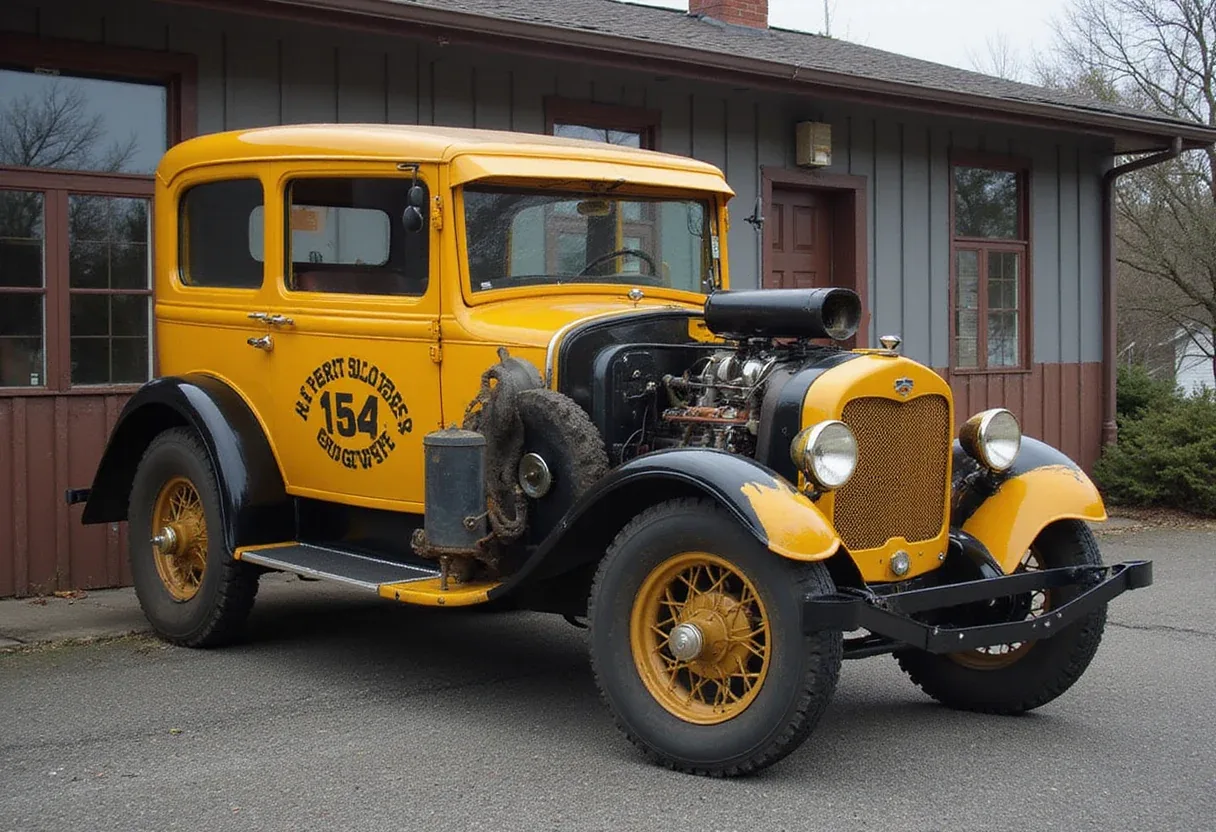
Late-model farm equipment inventory is running high on U.S. dealer lots, and used tractor and combine prices are starting to bend lower. That's the headline from a Successful Farming market check.
The finding cuts two ways. Dealers carrying recent-model units now face a market where late-model iron stacks up faster than it clears. Buyers weighing a purchase find dealer-side flexibility that didn't exist a quarter ago.
What does "supply is high" actually mean on a lot?
Late-model units — low engine hours, current emissions packages, factory warranty tail — typically move at premium pricing. When supply of that segment outruns retail demand, the premium compresses. Days-on-lot stretch. Auction channels pick up volume. List prices move.
What does "prices starting to bend" mean in plain terms?
A directional turn, not a collapse. Equipment price turns usually show first at auction, then dealer wholesale, then retail listings. The reporting follows that channel-by-channel progression.
What does this change for a grower with a trade-in?
The trade-in offer resets lower. Whether the grower comes out ahead depends on the new-unit side of the deal. Order boards under stress push manufacturers and dealers to sharpen new-equipment incentives to keep deliveries moving. A grower replacing a late-model unit may see the new-unit discount partially offset the lost trade-in value.
What does this change for a buyer who held cash through the recent tight market?
A window opens. Late-model iron that moved at near-list earlier now sits on lots longer. That generates room on price, financing terms, and warranty packaging. Independent operators and smaller farms gain a realistic path into late-model equipment that wasn't available in the tighter market of recent quarters.
What does this change for a dealer?
Floor-plan pressure builds. Every extra month a late-model unit sits on the lot costs the dealer in carrying charges — interest, insurance, depreciation. That pressure translates into sharper negotiation at the wholesale level before showing up on retail list prices.
Why are higher supply and softer prices showing up now?
The reporting links the late-model supply build to the broader pullback in new-equipment sales over recent quarters. New-unit deliveries that would normally pull trade-ins off lots quickly stalled instead. More late-model iron stayed on dealer books. Auction channels absorbed part of that overflow, lifting volume there as dealers and estate sellers worked to clear inventory before carrying charges compounded.
What's the forward read?
Watch three indicators over the next two reporting cycles: dealer-level days-on-lot for late-model stock, auction-channel volume and pricing, and any shift in manufacturer incentive programs on replacement equipment.
If late-model inventory keeps building and auction prices keep softening, retail pricing bends further. If manufacturers sharpen new-unit incentives, the effective discount on a replacement grows even as the trade-in offer falls — leaving net cost to the grower roughly stable or slightly improved.
For growers planning a capital purchase in the coming quarters, this is the early stages of a pricing turn. The next two quarters will likely determine whether the current bend deepens into a sharper break or stabilizes at a new, modestly lower plateau. Either way, late-model buyers and sellers now operate against a different backdrop than they did through the recent tight market.
via Google News: Farm equipment (Source)
More from Nathan Brooks
Show full bio
Staff writer covering regulation, policy and their impact on Agribusiness coverage for industry professionals at Agribusiness Wire.
466 articles