Lot No. LOT-3301 · offered October 14, 2026
Precision Agriculture & AgTechLot sheet
Mamba-Architecture AI Targets Maize Seedling and Weed Detection
Bioengineer.org reports a Mamba-architecture model separates maize seedlings from weeds with 'unmatched precision.' The capability could shape post-emergence herbicide decisions on U.S. corn acres.
Market notes
- Bioengineer.org reported a Mamba-architecture model can separate maize seedlings from weeds in row-crop imagery with 'unmatched precision.'
- The Mamba state-space model architecture was first detailed in 2023 by researchers Albert Gu and Tri Dao.
- U.S. corn post-emergence herbicide programs typically run from the V2 through V8 growth stages.
- Palmer amaranth and waterhemp drive most U.S. corn post-emergence herbicide spending.
- The Bioengineer.org report did not publish field-plot accuracy figures, data set size, or the geographic origin of the trial imagery.
By Grace Kim
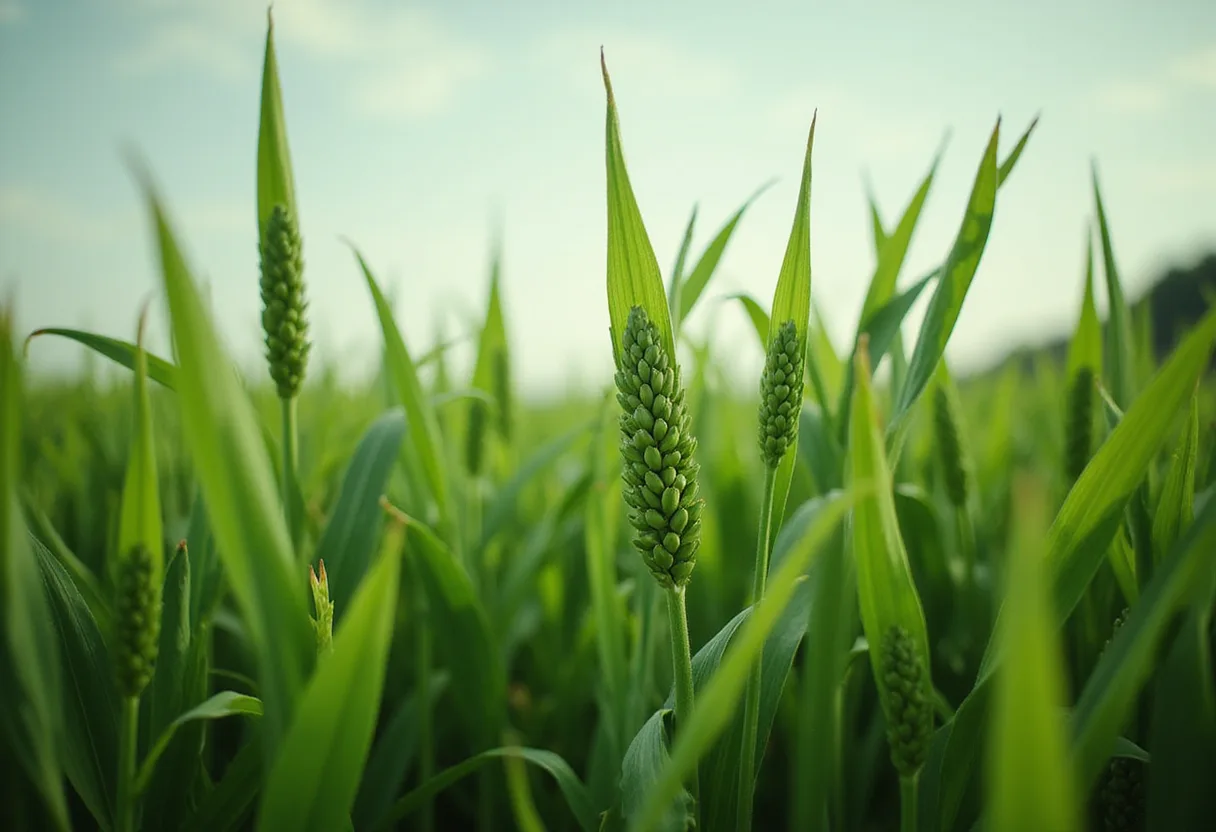
A machine-learning model built on the Mamba state-space architecture can separate maize seedlings from weeds in row-crop imagery with what Bioengineer.org characterized as "unmatched precision," according to a report published this week by the engineering news outlet.
The model, described in a Bioengineer.org writeup, applies the Mamba neural-network design to agricultural computer vision. Mamba, first detailed in 2023 by researchers Albert Gu and Tri Dao, is a selective state-space model that processes long sequences at lower memory cost than comparable transformer architectures.
The reported capability matters for input budgeting. Post-emergence herbicide programs on U.S. corn acres typically run from the V2 through V8 growth stages. Decisions on broadcast versus banded or spot applications hinge on accurate weed counts and species calls.
A vision system that flags both crop rows and weed pressure at the seedling stage could feed prescription maps used by sprayer controllers. That cuts overlap on already-treated acres.
What does the architecture change for agribusiness?
Mamba-style models can process high-resolution drone or planter-mounted camera feeds in a single pass, an advantage over vision transformers that often need to slice imagery into patches. For on-combine or on-sprayer inference, that lower memory profile can mean the difference between running detection at full boom width or throttling back to keep latency in check.
Multiple 2024-2025 papers on the Mamba line showed competitive accuracy with reduced compute, a trade-off that fits edge deployment on farm equipment.
The Bioengineer.org report did not publish field-plot accuracy figures, data set size, or the geographic origin of the trial imagery. Those omissions leave open the usual precision-agriculture questions: residue-covered soil, overlapping canopies at later vegetative stages, and weed species outside the training set.
A single published benchmark rarely shifts input-purchasing decisions. Corn growers weighing the model would want validated accuracy on Palmer amaranth and waterhemp, the two weed species that drive most U.S. post-emergence herbicide spending, plus performance on minimum-till and no-till residue. The Bioengineer.org framing of "unmatched precision" sets a high bar. Field validation will have to clear it.
The Mamba maize model adds to a fast-growing bench of AI tools reaching U.S. row-crop operations. Start-ups and equipment OEMs have rolled out weed-detection, stand-count, and disease-scoring systems over the past three seasons. Growers evaluating the new model will compare its output against existing vision stacks from the major sprayer manufacturers and the third-party ag-retail analytics platforms.
Details on research affiliation, peer-review status, and a public model release were not included in the Bioengineer.org writeup. Until a methods paper or full validation results appear, agribusiness users should treat the precision claim as publication framing rather than a benchmarked figure.
Forward look: the precision-agriculture stack will keep absorbing newer neural-network architectures, with corn weed management the obvious first proving ground. Watch for a methods paper, a public accuracy table, and a named deployment partner to convert the Bioengineer.org headline into a tool growers can buy.
via Google News: Precision agriculture (Source)
More from Grace Kim
Show full bio
Correspondent covering people, launches and day-to-day practice in Agribusiness coverage for industry professionals at Agribusiness Wire.
453 articles
Also in the yard
- Robots, Drones, and Digital Tools: The Next Generation of Crop Protection
- Missouri Soybean Growers Bet on Robotics and Precision Ag
- Precision Agriculture: Drones, Satellites and AI Target Input Costs
- AI Pushes Precision Agriculture Toward Plant-Level Management
- Drone Services Reshape Precision Agriculture at Multi-Billion-Dollar Scale