Lot No. LOT-2971 · offered October 9, 2026
Trade & ExportsLot sheet
Miller Points to Shrinking U.S. Inflation, Farm Trade Deficit
Texas Agriculture Commissioner Sid Miller pointed to slowing U.S. consumer inflation and a narrowing agricultural trade deficit as evidence that the cost squeeze on farmers and ranchers is starting to ease ahead of spring input contracting.
Market notes
- Texas Agriculture Commissioner Sid Miller cited shrinking U.S. consumer inflation and a narrowing agricultural trade deficit as a positive farm-economy signal in a release posted to the Texas Department of Agriculture website.
- The U.S. agricultural trade balance measures the gap between farm-product exports and imports and is tracked monthly by USDA's Foreign Agricultural Service.
- Texas ranks among the top U.S. exporters of cotton, cattle and beef, sorghum, wheat and dairy, with shipments routed through the ports of Houston, Beaumont and Corpus Christi.
- The Bureau of Labor Statistics publishes monthly Consumer Price Index tables, with separate breakdowns for food at home and energy that producers can match against their own receipts.
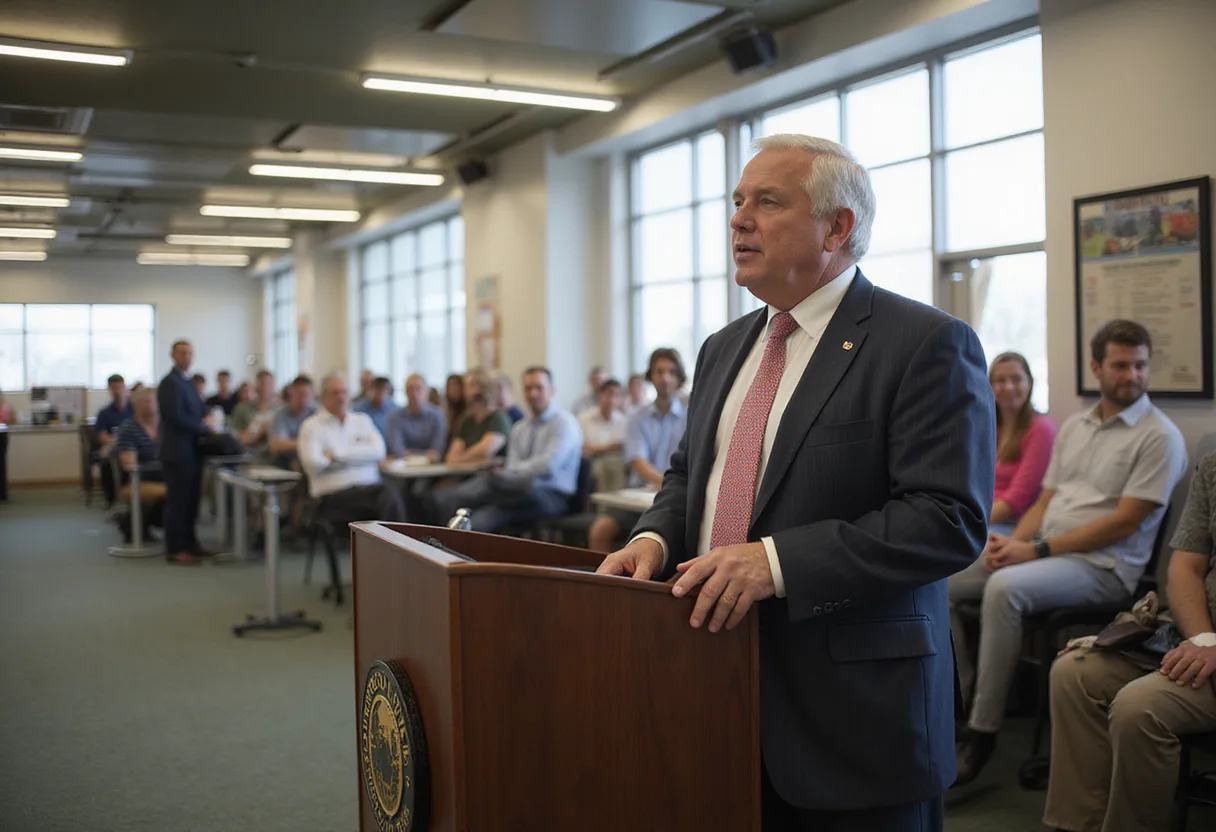
Texas Agriculture Commissioner Sid Miller pointed to two economic indicators — slowing U.S. consumer inflation and a narrowing agricultural trade deficit — as evidence that the cost squeeze on farmers and ranchers is starting to ease.
In a release posted to the Texas Department of Agriculture website, Miller framed both trends as a tailwind for producers who have logged consecutive years of higher input bills and softer export demand. The headline on the agency post read: "Celebrates U.S. Shrinking Inflation and Agricultural Trade Deficit."
The timing matters. Texas growers and ranchers are preparing to lock in spring input contracts and renegotiate seasonal operating lines at regional banks. Any data point supporting a softer cost outlook carries weight in those negotiations.
What did Miller cite?
Two trend lines drove the message. First, the year-over-year pace of U.S. consumer prices has decelerated from the highs that defined the post-2021 stretch. Second, the U.S. agricultural trade balance — the gap between farm-product exports and imports — has tightened.
A narrower deficit can reflect stronger outbound shipments of cotton, beef, grain or oilseeds, a softer import tally for off-season produce and specialty crops, or both forces acting at once.
Why does it matter in Texas?
Texas agriculture leans heavily on export markets. The state ranks among the top U.S. shippers of cotton, cattle and beef, sorghum, wheat and dairy. Any shift in the agricultural trade balance lands first at Gulf ports — Houston, Beaumont, Corpus Christi — then feeds back through interior elevator and feedlot basis.
Cotton basis on the High Plains, sorghum basis in South Texas and cattle margins across the Panhandle respond directly to the export tape. So do the cash prices quoted at Coastal Bend grain buyers and the spreads offered at cattle auctions in Amarillo and San Angelo.
Why don't input costs fall as fast?
Diesel, urea, UAN, potash and steel price off broader energy and commodity benchmarks. Ag retailers typically adjust offer sheets quarterly. A sustained retreat in headline CPI does not reach farm fuel and fertilizer tags dollar-for-dollar.
It does, however, feed into operating-loan pricing and the Federal Reserve's rate path — both of which reach balance sheets within a quarter or two. Producers watching the spring financing cycle read CPI prints as a proxy for credit conditions, not a direct reflation of input tags.
Where can producers check the data?
Two reports anchor the picture. The Bureau of Labor Statistics publishes monthly CPI tables broken out for food at home and energy. USDA's Foreign Agricultural Service posts monthly export and import totals in the Foreign Agricultural Trade of the United States report.
Cooling CPI paired with rising export volumes would confirm Miller's framing. Cooling CPI paired with flat or falling export volumes would point to demand softness abroad rather than a genuine recovery in overseas sales — a distinction that matters for basis and for processor demand at Texas Gulf terminals.
What happens next?
The agency's release positioned the dual shift as cautious good news for rural communities absorbing two years of cost inflation and trade friction. The next CPI print and the next USDA trade update will show whether the trend holds, and whether the relief reaches the basis sheet at Texas elevators and feedlots before spring contracting closes.
via Google News: Agricultural trade (Source)
More from Rebecca Stone
Show full bio
Market editor covering people, launches and day-to-day practice in Agribusiness coverage for industry professionals at Agribusiness Wire.
431 articles
Also in the yard
- Farm Bureau Forecasts Record U.S. Agricultural Trade Deficit
- USDA Report Weighs on U.S. Corn, Soybean and Wheat Prices
- USDA Watchers Eye 2026 Farm Trade Gap: Narrower Deficit, Murkier Math
- Strong Grain Prices Set to Underpin US Farmgate Fertiliser Demand
- Inflation or USDA Reports: What Actually Moves Grain Prices