Lot No. LOT-6644 · offered October 9, 2026
Commodity MarketsLot sheet
Nebraska sorghum delivery map points farmer to better basis
A Nebraska farmer used a publicly available sorghum delivery-point map to locate a stronger cash bid, a Brownfield Ag News report shows, signaling how logistics data is reshaping grain-marketing decisions across the Plains.
Market notes
- Brownfield Ag News reported that a Nebraska farmer identified a stronger sorghum bid using a publicly available delivery-point map
- Nebraska sorghum acreage is concentrated in south-central and south-western counties feeding cattle, ethanol plants and Texas Gulf export terminals
- Local sorghum basis can diverge sharply across a single county when individual elevators, ethanol plants or river terminals adjust bids independently
- Delivery-point pricing tools have been funded by state and national sorghum and corn grower groups and private ag-tech platforms in recent years
- Brownfield did not name the farmer, the specific map used, the destination elevator, or the magnitude of the basis improvement
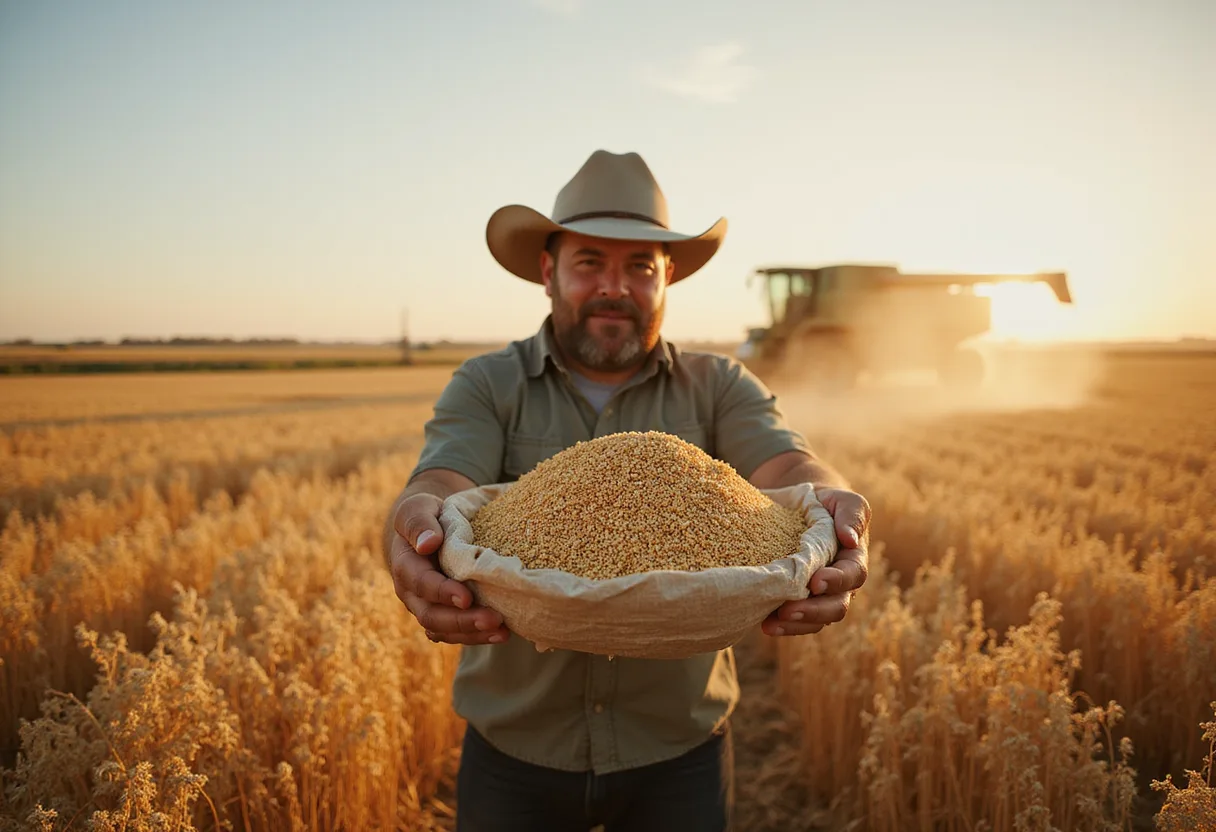
A Nebraska farmer found a stronger sorghum bid by consulting a publicly available delivery-point map, according to a Brownfield Ag News report that highlights how logistics data is reshaping grain-marketing decisions on the Plains.
The story does not name the grower or specify the magnitude of the basis improvement captured, but it points to a wider change underway in grain marketing: agronomic and logistics information that once sat inside merchandiser offices is now layered onto web maps that growers can pull up before they leave the farmstead. For sorghum, where delivery options run from a feedlot down the road to a river terminal several counties over, even a few cents difference in posted bids can outweigh a longer truck haul.
Why sorghum basis varies across short distances
Local basis — the gap between a nearby cash bid and the futures price on the Chicago Board of Trade — is rarely uniform across a single county. One elevator running short of inventory, an ethanol plant extending its crush run, or a river terminal filling export barges can push the cash bid at a single delivery point sharply higher while neighboring bids stay flat. A delivery-point map consolidates those differences onto one screen so a grower can compare them on a phone or laptop.
Nebraska grows sorghum across south-central and south-western counties, where the crop feeds cattle operations, supplies ethanol crush plants in Nebraska and Kansas, and moves south by rail and truck toward Texas Gulf export terminals. That layered end-use mix produces price signals a single local bid cannot capture.
What changes for the grower at the truck
Once a grower picks a stronger bid several miles away, the math turns on freight cost, shrink, moisture dockage, and the time waiting in line at an unfamiliar scale. A modest basis premium can be erased quickly by diesel, shrink schedule, and discounts. Maps shorten the time spent calling elevators for quotes, but the per-bushel economics still depend on the load weight, the buyer's discount schedule, and the round-trip mileage from the field.
Who builds these maps
Public delivery-point tools have been funded in recent years by state and national sorghum and corn grower organizations, alongside private ag-tech platforms that pull cash bids from cooperating elevators and feed them through application programming interfaces. The Brownfield report does not identify which specific map the Nebraska farmer consulted but indicates the resource was free and statewide. Grower associations treat the tools as a way to grow checkoff-funded return on investment; private platforms see a subscription market among elevators seeking exposure.
What to watch next
The maps will be judged on one yardstick: whether the cash bid displayed matches what the elevator actually pays at the scale. Reporting lags, stale data, and posted "no bid" entries can mislead growers and erode trust quickly. Expect sorghum grower groups and the merchandisers feeding these platforms to refine their data cadence as Plains acreage shifts between sorghum, cotton, corn, and wheat.
Forward-looking: as more delivery-point pricing tools reach growers across Nebraska's sorghum belt, the next Brownfield reporting cycle on the same farmer will likely test whether the basis gains from a single sale hold up across an entire marketing year.
via Google News: Grain prices (Source)
More from Nathan Brooks
Show full bio
Staff writer covering regulation, policy and their impact on Agribusiness coverage for industry professionals at Agribusiness Wire.
466 articles
Also in the yard
- Railroads Raise Grain Shipping Rates, and Farmers May Pay
- Nebraska's Rural Economy Weakens as Grain Prices, Trade Tensions Drag
- Country Elevator Bids Update: Corn, Soybeans, Wheat, Sorghum Prices
- Higher Rail Rates for Grain Threaten to Squeeze U.S. Farm Margins
- Sandhills Flags Equipment Optimism as Harvest Corn Prices Climb