Lot No. LOT-4615 · offered October 9, 2026
Seeds, Crop Protection & FertilizerLot sheet
New Corn Leaf Disease Hits Michigan; Great Lakes Scouting Urged
MSU plant pathologist Marty Chilvers reports a new corn leaf disease marked by white spots is appearing in nearly every scouted Michigan field, with researchers expecting the pathogen to extend across the Great Lakes region.
Market notes
- A previously unreported corn leaf disease marked by white spots has shown up in Michigan corn fields
- MSU plant pathologist Marty Chilvers: 'We're finding it pretty much in every field that we walk into at this point in time'
- Researchers consider the new corn leaf disease likely widespread across the Great Lakes region
- The corn disease produces white spots on corn foliage that can be confused with insect damage or herbicide injury
- MSU Extension specialists are encouraging growers to scout fields and report suspect plants
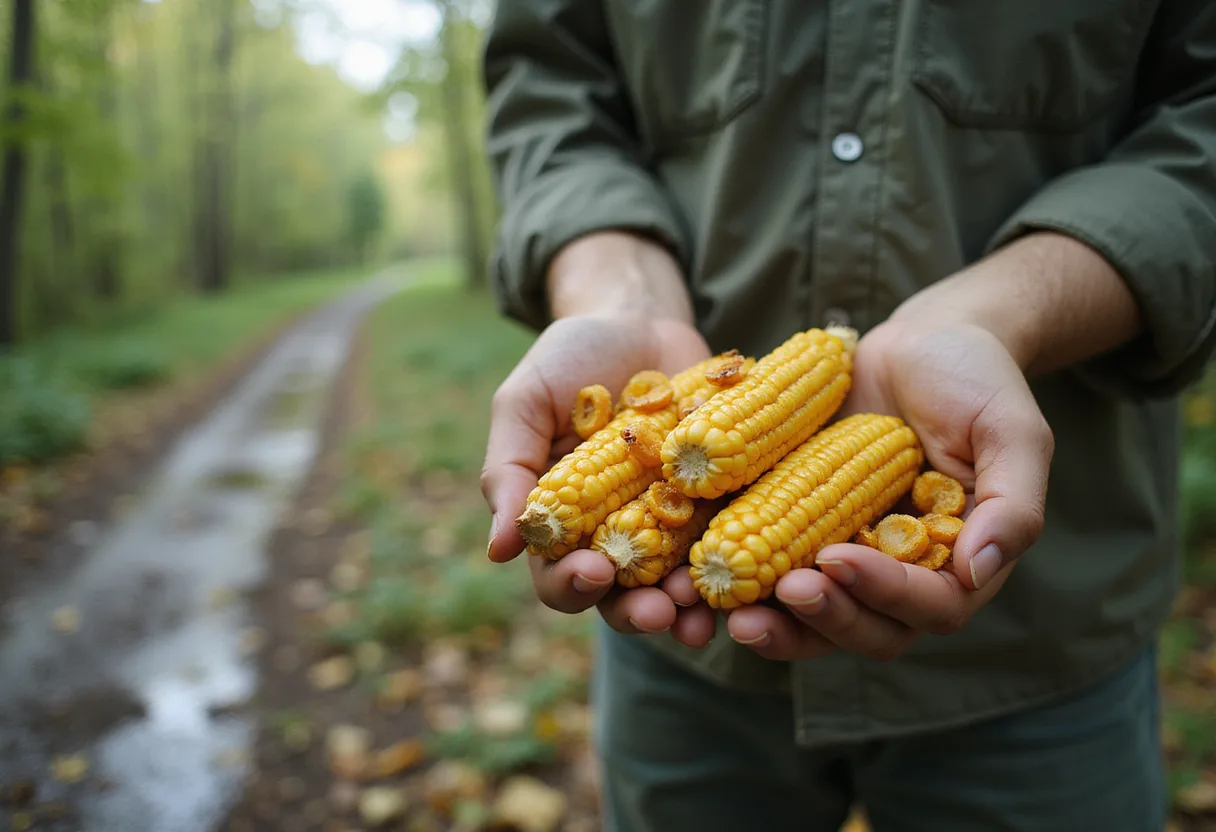
A previously unreported corn leaf disease marked by white spots has shown up in essentially every corn field scouted in Michigan this season, according to Michigan State University plant pathologist Marty Chilvers, whose team now considers the pathogen likely widespread across the Great Lakes region.
"We're finding it pretty much in every field that we walk into at this point in time," Chilvers told Brownfield Ag News.
What does the disease look like?
The pathogen produces white spots on corn foliage, a symptom that can be confused with other common leaf diseases at first glance. Chilvers described the visual signature during field walks and urged growers to confirm identification through proper laboratory diagnosis rather than visual assessment alone. White-spot symptoms on corn can be misread as insect feeding damage, herbicide injury, or early-stage fungal infections, which makes accurate identification a precondition for any management decision.
How far could the outbreak extend?
The geographic range of confirmed finds was not detailed in the initial report, but the Great Lakes region includes substantial corn-producing territory in Michigan and neighboring states, where humidity and hybrid selection could favor similar infections. The disease's apparent field-by-field distribution in Michigan also raises questions about how long it may have been present before this season's scouting detected it. Researchers expect findings in neighboring states once scouting intensifies.
What are agronomists recommending?
Extension specialists are encouraging growers to walk fields now and report suspect plants to local MSU Extension offices. Early scouting matters because corn disease management decisions — including foliar fungicide timing — depend on knowing which pathogens are present before tasseling and grain fill, when yield protection economics shift quickly. The cost-benefit math on a fungicide pass can swing from one decision to the next based on which diseases are present and at what severity, so an accurate pathogen inventory is foundational to in-season decisions.
Without a confirmed species name or published threshold data, growers face limited immediate management options beyond intensified monitoring. Input cost implications for the current growing season remain unclear until extension pathologists publish identification guides and treatment recommendations.
Why this matters for farm margins
A new foliar pathogen entering the cropping system raises the cost-of-production floor. Each additional disease that requires scouting, and possibly in-season fungicide applications, adds to per-acre management expense and operator labor hours. For Great Lakes corn growers already managing multiple established foliar diseases, cumulative disease pressure can compress margins on a crop already squeezed by elevated input costs. A scouting pass, a tissue sample, or an additional fungicide application each carries its own line item, and a novel pathogen forces those line items onto budgets before plans are finalized.
Until the disease is formally named and its yield impact quantified, growers should treat the white-spot symptom as a scouting priority rather than a confirmed management target. Chilvers' team at MSU continues field walks and will likely release updated identification guidance as samples move through campus labs.
Watch for follow-up bulletins from MSU Extension as identification work progresses through the growing season.
via Brownfield Ag News (Source)
More from Rebecca Stone
Show full bio
Market editor covering people, launches and day-to-day practice in Agribusiness coverage for industry professionals at Agribusiness Wire.
431 articles
Also in the yard
- Phaeosphaeria leaf spot confirmed in 20 Michigan counties
- First 2026 Tar Spot Cases Confirmed in Pennsylvania Corn
- Sprouting Corn, Purple Soybeans Surface in Midwest Harvest
- Researchers warn second fungal disease could match tar spot's corn losses
- Rain-Hit Corn Shows Damage Up to 20% in Northwest Missouri Fields