Lot No. LOT-4876 · offered October 9, 2026
Trade & ExportsLot sheet
Nigeria farm exports fall 36% to ₦803bn in Q2 as trade deficit returns
Nigeria's farm exports contracted 36% to ₦803 billion in the second quarter, returning the agricultural trade balance to deficit and reigniting concerns over non-oil earnings volatility.
Market notes
- Agricultural exports fell 36% to ₦803 billion in Q2
- Trade balance returned to deficit after a brief surplus stretch
- Cocoa, sesame and cashew historically anchor Nigeria's non-oil export base
- Wheat, sugar, palm oil and dairy products remain the dominant agricultural imports
- Q3 trade data will show whether the Q2 drop is a one-quarter dislocation or a broader downturn
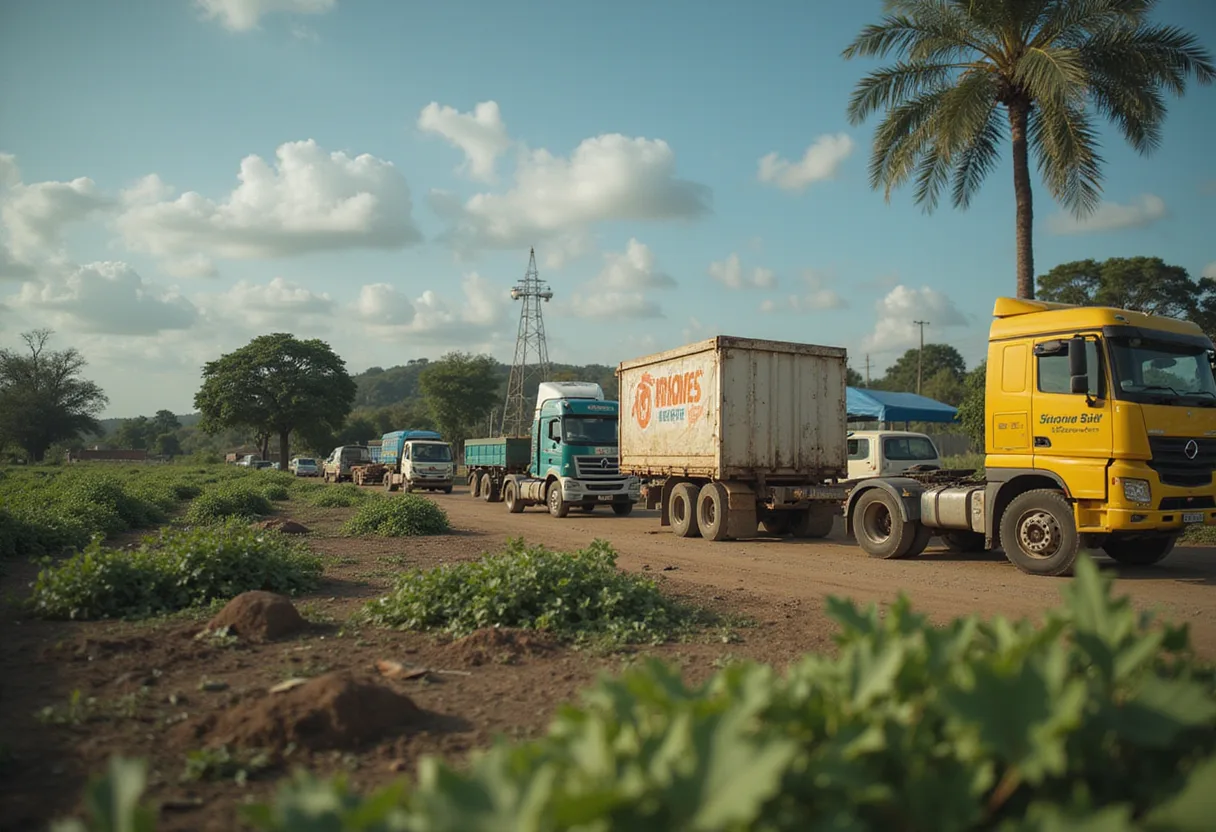
Nigeria's agricultural exports contracted 36% to ₦803 billion in the second quarter, returning the country's farm trade balance to deficit after a brief surplus stretch, Tribune Online reported.
The single-quarter slide erases export gains that briefly tilted Nigeria's agriculture ledger into the black. At ₦803 billion, the Q2 shipment value sits well below the level needed to offset the country's persistent food and raw-commodity import bill, which has historically kept the agricultural trade balance in deficit.
The 36% drop highlights how exposed Nigerian farm export earnings remain to currency moves, seasonal output swings and shifting regional demand. Cocoa, sesame and cashew have long anchored the country's non-oil export base, and weakness in any of those lines translates directly into the headline figure.
What does the deficit return signal?
A return to deficit points to two pressures hitting Nigerian agriculture simultaneously. On the export side, shippers face a naira that has weakened against major trading currencies, raising the local-currency cost of fertilizers, packaging and logistics while eroding margins on dollar-denominated contracts. On the import side, Nigeria continues to absorb large volumes of wheat, sugar, palm oil and dairy products that domestic output cannot yet substitute.
For growers, the combination squeezes margins at both ends of the chain. Producers who export cocoa or sesame see lower naira returns per ton even as imported agro-chemicals and machinery become more expensive. Millers and processors who depend on imported wheat or vegetable oils pass higher costs through to flour, bread and household staples, sustaining food-price inflation in domestic markets.
How do the numbers compare with prior quarters?
The 36% pullback underscores the volatility of Nigeria's farm trade flows. Analysts typically watch three-month moving averages to filter out harvest-cycle noise from cocoa, sesame and rubber shipments, since each crop concentrates in specific months. A single-quarter shortfall can therefore reflect a delayed harvest, a logistics bottleneck at the ports, or genuine demand softness in destination markets such as the European Union and Asia.
The deficit return also raises questions about the durability of recent policy efforts aimed at boosting non-oil exports. Federal programs targeting rice self-sufficiency, cassava processing and dairy revival have sought to reduce the import bill, while export-promotion councils have worked to expand market access for cocoa and sesame. The Q2 print will test whether those initiatives are moving the trade ledger.
What should growers and buyers watch next?
The Q3 print will determine whether the 36% decline marks a one-quarter dislocation or the start of a deeper downturn. Cocoa shipments typically firm ahead of the European fourth-quarter grind, while sesame exports peak after the northern harvest. A rebound in either line could pull the agricultural trade balance back toward surplus, but only if port logistics, foreign-exchange access and buyer financing hold up.
For input suppliers, the deficit return reinforces a cautious stance on credit and stocking. Dealers who extended credit to cocoa and sesame cooperatives during the surplus period now face slower repayments if export receipts lag. For cooperatives, the data argues for tighter inventory discipline and forward contracts denominated in naira to hedge against further currency-driven margin compression.
The next quarter's data, due in the standard trade-statistics release window, will show whether the ₦803 billion Q2 figure was a trough or the start of a wider pullback in Nigerian farm export earnings.
via Google News: Agricultural trade (Source)
More from Marcus Bennett
Show full bio
Senior reporter covering regulation, policy and their impact on Agribusiness coverage for industry professionals at Agribusiness Wire.
412 articles
Also in the yard
- Nigeria's Farm Exports Slide 36% to N803bn, Trade Deficit Returns
- Nigeria Agricultural Exports Fall 36% to N803bn, Trade Deficit Returns
- Farm Bureau Forecasts Record U.S. Agricultural Trade Deficit
- Top Five U.S. Ag Export Partners Took 56 Percent of 2025 Shipments, USDA Says
- USDA Watchers Eye 2026 Farm Trade Gap: Narrower Deficit, Murkier Math