Lot No. LOT-9941 · offered October 9, 2026
Seeds, Crop Protection & FertilizerLot sheet
Origin Agritech opens Guizhou R&D center with biotech unit and seed JV
Origin Agritech has established an R&D center in Guizhou, pairing a new biotech unit with a state-backed seed joint venture. Investment figures, equity stakes, and partner names were not disclosed in available materials.
Market notes
- Origin Agritech has established an R&D center in Guizhou province, bundling a new biotech unit with a state-backed seed joint venture at a single site.
- Investment figures, equity stakes, partner names, and staffing levels were not disclosed in the available materials.
- The structure mirrors the template used by Chinese seed firms since the central government's 2021 seed industry revitalization plan.
- Origin Agritech trades on NASDAQ under the ticker SEED; quarterly filings will provide the first verifiable read on capital and staffing.
- Commercial release of any JV-developed hybrids would follow multi-season field trials, provincial certification, and China's fixed seed-registration calendar.
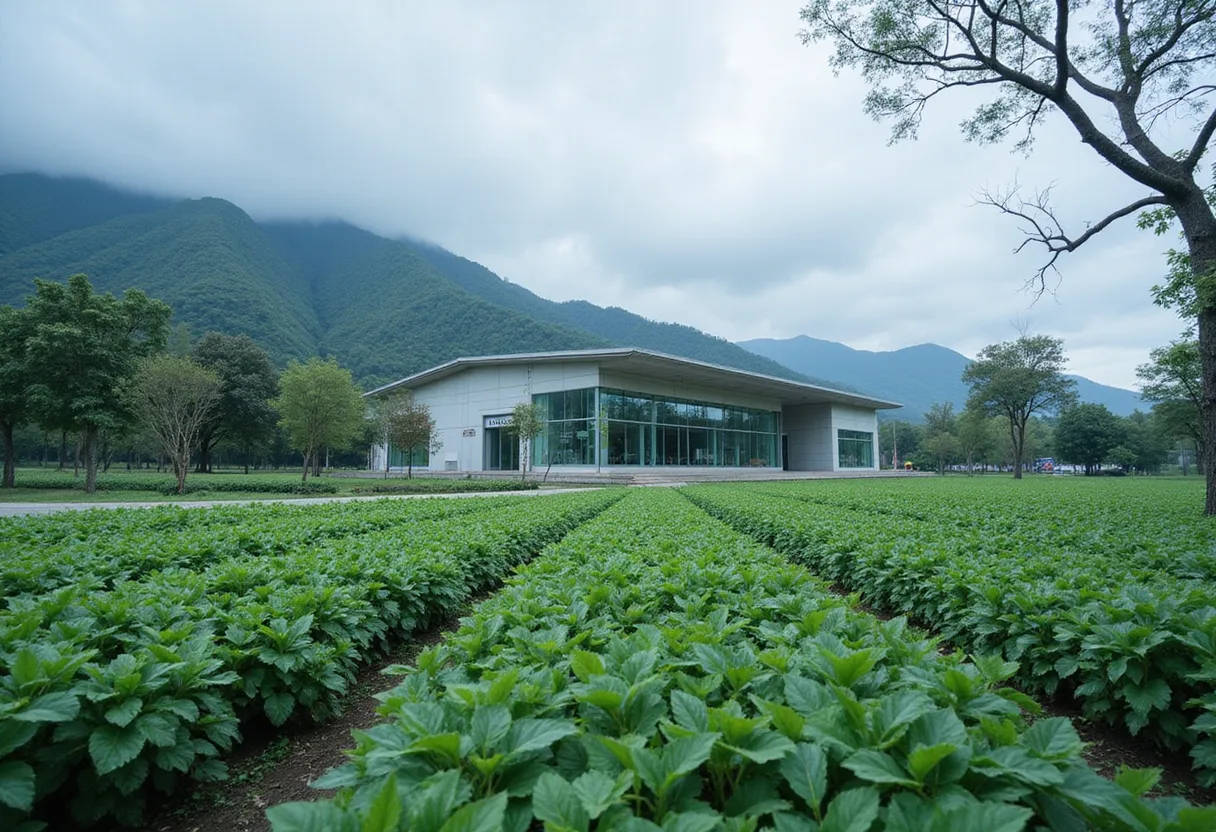
Origin Agritech has established a research and development center in Guizhou province, pairing a new biotech unit with a state-backed seed joint venture at a single site. The Beijing-based seed company disclosed few operational details; investment figures, equity stakes, partner names, and staffing levels did not appear in available materials.
What does the new complex include?
The reported structure bundles three operations under one roof: a standalone R&D center, a dedicated biotech unit operating within that center, and a joint venture with state-affiliated seed partners. Chinese seed companies have followed a similar template since the central government's 2021 seed industry revitalization plan, contributing proprietary germplasm and breeding capacity in exchange for land access, regulatory clearance, and provincial distribution.
The combined structure lets a private firm keep branding and trait ownership while routing commercial sales through state-aligned channels — a hybrid arrangement that has become standard for non-state seed companies operating in China.
Why Guizhou?
The southwestern province hosts an existing cluster of state-owned seed enterprises and breeding stations. Anchoring an R&D base there gives Origin Agritech proximity to germplasm collections, policy channels, and a regional grower base that several domestic competitors are also pursuing.
Guizhou's corn, rice, and vegetable seed programs dominate regional output and feed into southwest China's broader seed supply chain. Provincial agriculture departments have historically backed seed-sector consolidation as part of central government directives on food security.
What does Origin gain?
Operating in China's hybrid corn seed market, Origin has historically built around crop genetics and proprietary trait development, including transgenic corn work. A standalone biotech unit separates molecular trait work from conventional hybrid development, giving the company a dedicated pipeline for transgenic or gene-edited lines.
Pairing the unit with a state-backed venture places that work inside a regulatory framework provincial agriculture departments already recognize, which could shorten the path from lab to registered commercial variety. The biotech unit also positions Origin to bid on government trait-development contracts that prioritize Chinese-owned intellectual property.
What remains unreported
The following details have not surfaced in available materials:
- Capital outlay for the facility, lab equipment, and joint venture
- Names of the state-affiliated partner or partners
- Crop priorities for the new R&D center
- Headcount at launch and hiring targets over 12-24 months
- Provincial or municipal subsidies attached to the project
- Revenue-share formulas inside the joint venture
- Whether the JV will pursue export licensing for commercialized lines
- Whether grower contracts will carry trait fees or royalty structures
What it means for growers and input costs
Growers in Guizhou and adjacent provinces could see faster varietal release cycles if the JV successfully commercializes lines developed at the new center. Pricing for new hybrids has not been disclosed. Commercial release typically follows multi-season field trials, provincial certification, and seed registration under China's fixed regulatory calendar.
Any subsidy support attached to the JV could affect seed pricing and margin structure for both growers and the venture's state partners. The biotech unit's pipeline, once disclosed, will signal whether the venture is targeting herbicide tolerance, insect resistance, drought tolerance, or stacked traits — each with a different cost-of-production profile for growers and a different regulatory path under China's biosafety framework.
Forward outlook
Origin Agritech trades on NASDAQ under the ticker SEED. Quarterly filings will provide the first verifiable read on capital deployed, staffing, and equity structure inside the Guizhou venture, alongside updates on the crop-trait pipeline the new biotech unit takes on first. Chinese-language regulatory filings, which typically precede commercial seed registration, will offer the most granular confirmation of crop targets, partner identities, and commercialization timeline.
via Google News: Seed industry (Source)
More from Rebecca Stone
Show full bio
Market editor covering people, launches and day-to-day practice in Agribusiness coverage for industry professionals at Agribusiness Wire.
431 articles
Also in the yard
- Seed Industry Concentration Emerges in Changfeng County, Hefei
- China unveils plant breeding IP framework to accelerate seed innovation
- China's Seed Drive Plants Its 'Agricultural Chips' Strategy
- Canadian Seed Growers' Association Weighs Launching Its Own Seed Company
- China Targets Seed Industry Self-Reliance, Minister Says