Lot No. LOT-2810 · offered October 9, 2026
Commodity MarketsLot sheet
Railroads Raise Grain Shipping Rates, and Farmers May Pay
Railroads are charging more to ship grain, and the cost may flow back to farmers through wider basis and weaker elevator bids, MPR News reports.
Market notes
- Railroads are charging more to ship grain, MPR News reports.
- U.S. farmers may have to absorb the higher shipping costs.
- Higher freight typically widens basis and lowers elevator bids to growers.
- Rail-dependent regions face the sharpest exposure to the rate increases.
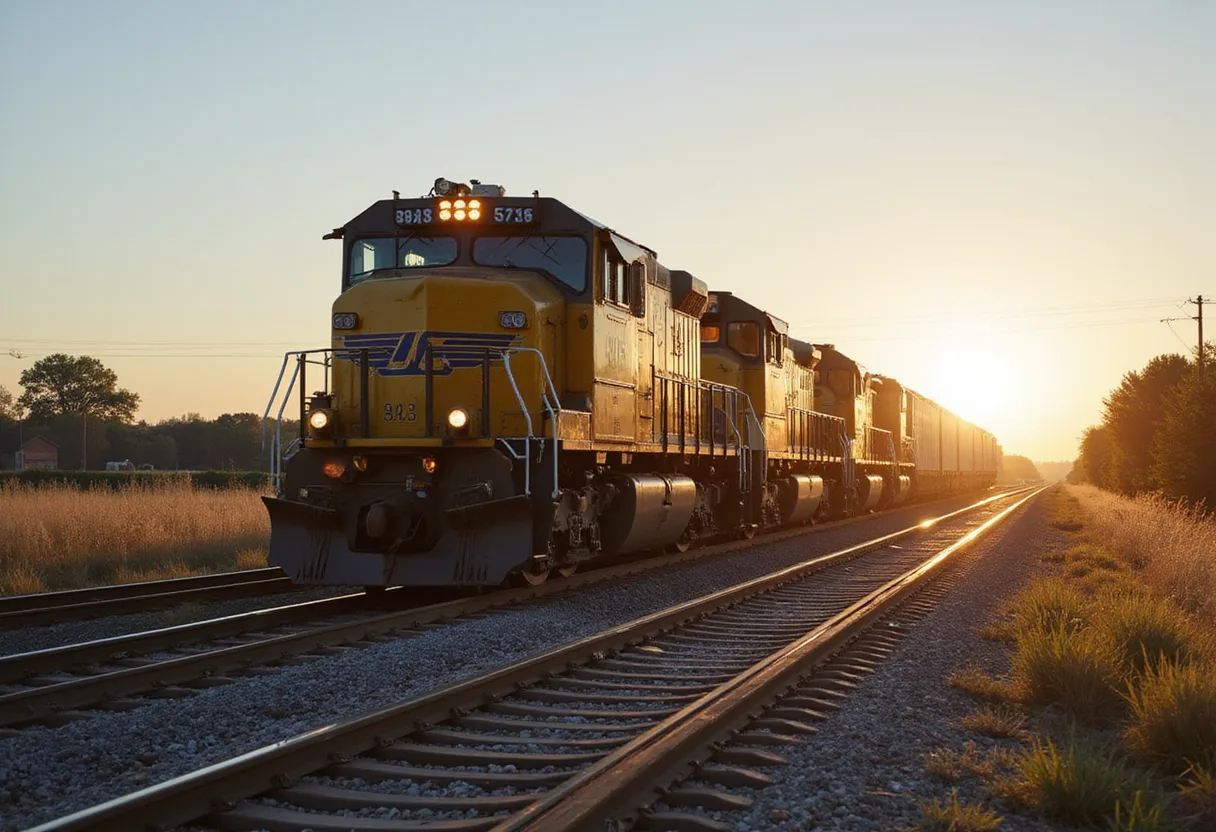
Railroads are charging more to move grain, and U.S. farmers may end up absorbing the difference, according to a report from MPR News.
For growers who rely on rail to reach export terminals and domestic processors, freight is a fixed cost of doing business. When railroads raise rates, those increases rarely stay with the elevator or the cooperative that books the cars. They travel back down the supply chain and land on the farmgate price, widening the basis that farmers face at their local elevator.
What does a rate increase mean for basis?
Basis — the difference between the local cash price and the futures price — reflects local supply, demand and, critically, transportation cost. Higher rail freight pushes basis wider at rail-served elevators. Elevators bid less for grain when it costs more to ship it out, and that lower bid is what the farmer sees.
The result is a direct hit to farm margins that comes on top of existing pressure from elevated input costs for fertilizer, seed, crop protection and machinery.
Who is exposed?
Producers in regions dependent on rail — rather than barge or truck routes — face the sharpest exposure. That includes growers in areas where river navigation is seasonal, constrained by low water, or simply unavailable, leaving rail as the primary link to West Coast, Gulf and Mexican export channels.
Grain cooperatives and independent elevators that ship by rail must decide whether to pass the higher freight through to end buyers or absorb it in weaker bids to members. In a competitive procurement environment, the cost generally flows back to the grower.
Why does rail pricing power matter?
Railroads operate with limited competition on many origin-destination lanes, giving them pricing leverage over shippers who have few alternatives. When one carrier serves a region's elevators, growers and co-ops have little room to negotiate or switch carriers.
Captive-shipper dynamics have long drawn scrutiny from federal regulators, and freight-rate disputes between railroads and agricultural shippers periodically reach the Surface Transportation Board. Rate levels, car supply and service reliability all factor into what farmers ultimately net for their crop.
What should growers watch next?
Farmers and cooperative managers tracking this issue will want to monitor:
- Published rail tariff and fuel-surcharge changes on the lanes serving their elevators;
- Basis movements at rail-served versus barge-served locations, which reveal how much freight cost is being passed through;
- Any regulatory or shipper-group responses to rate increases affecting agricultural traffic.
MPR News reports that farmers may have to pick up the tab for higher rail charges, a dynamic that could weigh on net returns for the upcoming marketing decisions wherever grain moves to market by rail.
via Google News: Grain prices (Source)
More from Grace Kim
Show full bio
Correspondent covering people, launches and day-to-day practice in Agribusiness coverage for industry professionals at Agribusiness Wire.
453 articles
Also in the yard
- Railroads Raise Grain Shipping Rates, and Farmers May Pay
- Higher Rail Rates for Grain Threaten to Squeeze U.S. Farm Margins
- Class I Rail Rate Hikes Push Grain Shipping Costs Higher
- Rail Grain Deliveries to Ukrainian Ports Fall 38.6% in September
- Feed grain prices hold steady on the Prairies as fuel costs climb