Lot No. LOT-3193 · offered October 9, 2026
Trade & ExportsLot sheet
Russia-China Farm Trade Climbs 34.4% in 7 Months as Soybean Push Builds
Bilateral Russia-China farm trade climbed 34.4% through July, Agriculture Minister Oksana Lut said, with 2025 turnover hitting ~$11B and a soybean research center under discussion.
Market notes
- Russia-China agricultural trade rose 34.4% in the first seven months of 2026, per Minister Oksana Lut.
- Bilateral farm turnover reached approximately US$11 billion in 2025, a 21% year-on-year increase.
- Shandong-Russia agricultural trade totaled US$2.2 billion in 2025 and US$1.4 billion in H1 2026; Primorsk-China trade hit US$1.1 billion in H1 2026.
- Russia harvested a record 9 million tonnes of soybeans in 2025, up from 7.1 million tonnes in 2024, per Rosstat.
- China imports over 100 million metric tons of soybeans annually and has committed to 25 million tonnes/year from the United States through 2028, with Brazil as its largest overall supplier.
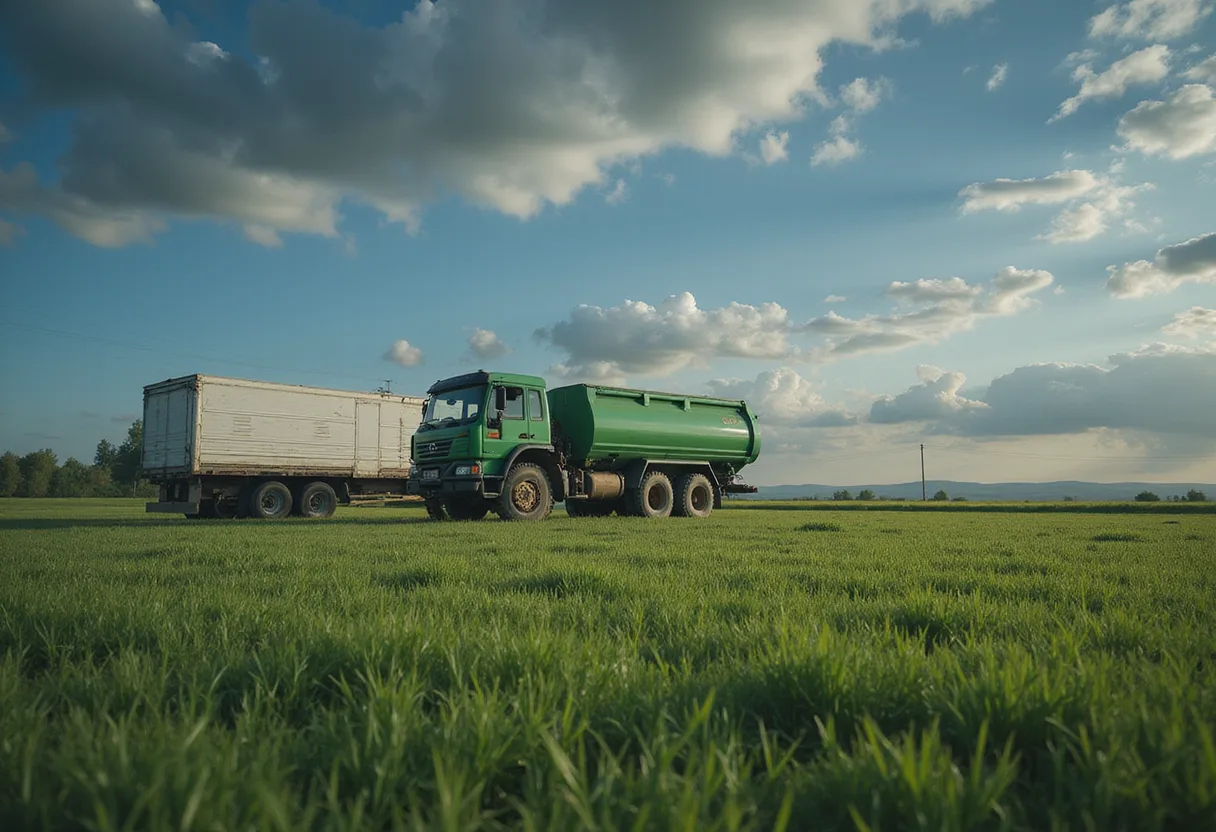
Russia-China agricultural trade climbed 34.4% in the first seven months of the year, Russian Agriculture Minister Oksana Lut told the Sprouts: Russia and China international forum in Kazan, with bilateral farm turnover having risen 21% year-on-year in 2025 to roughly US$11 billion.
Citing her ministry's running tally, Lut said import and export volumes are advancing on both sides of the border and that cooperation now spans the vast majority of China's provinces. "Both imports and exports have been growing on both sides," Lut said. "We are currently developing cooperation with the vast majority of China's provinces." She added that Shandong Province leads on the Chinese side, with trade turnover totaling US$2.2 billion last year and US$1.4 billion in the first half of 2026. On the Russian side, "the Far East, and the Primorsk and Kamchatka territories hold the leading positions primarily owing to geography," she said, noting that Moscow, the Moscow Region and St. Petersburg are also tracking strong figures.
How large is the Primorsk-China corridor?
Agricultural trade between Primorsk Territory and China totaled US$1.1 billion in the first half of 2026 alone, according to Lut — a figure that reflects the geographic advantage of land borders and Pacific port access for shipments moving into northeastern China. The corridor has become a focal point as Russian exporters reshuffle logistics away from traditional Western destinations.
Why is soybeans the centerpiece?
Lut framed soybeans as the strategic core of joint agronomic work. Russia and China are advancing cooperation in four areas, beginning with crop production, breeding and genetics of key crops. "We are currently discussing and reaching certain agreements on establishing a soybean research center," Lut said. The crop sits high on both governments' agendas. China's annual soybean purchases exceed 100 million metric tons, driven by feed demand from its livestock and pork sectors. Russia's own harvest hit a record 9 million tonnes in 2025, up from 7.1 million tonnes in 2024, according to Russian Federal State Statistics Service (Rosstat) data — a roughly 27% jump that tracks with expanded plantings in the Far East and southern Russia.
What are the production limits?
Lut directly acknowledged the structural ceiling on Russia's soybean output. "It is clear that China has a huge need for the crop," she said. "Russian climate conditions do not allow for the desired volumes of soybean cultivation. Nevertheless, we believe that joint activities and joint research should increase soybean production in Russia and boost productivity and yields in China." The climate shortfall is the gap the planned research center is designed to close, lifting Russian output and Chinese yields in parallel.
How does this fit China's wider soybean sourcing?
Beijing has committed to purchasing at least 25 million metric tons of U.S. soybeans per year through 2028, although Brazil remains its single largest supplier. Russian volumes, even at the 2025 record, cover only a small fraction of China's annual import demand. The Russian push therefore reads as a hedging play that adds tonnage at the margin while giving Russian breeders a long-term Chinese demand floor.
Forward-looking: The next data checkpoint will be the full-year 2026 bilateral trade tally, expected in early 2027 from the Russian Agriculture Ministry, alongside any formal announcement on the soybean research center's location and funding partners.
via russiachinaforum.com (Original)
More from Grace Kim
Show full bio
Correspondent covering people, launches and day-to-day practice in Agribusiness coverage for industry professionals at Agribusiness Wire.
453 articles
Also in the yard
- Farm Journal Foundation Urges U.S. to Pivot Ag Trade to South Asia, Africa
- China Posts 10.8% Rise in Agricultural Trade for First Half
- Russia claims $6B in agricultural trade with Türkiye
- U.S. Ag Eyes China Reset as Trump-Xi Summit Opens in Washington
- China and US Move Toward Farm Tariff Cuts in Major Win for Agricultural Trade