Lot No. LOT-3828 · offered October 9, 2026
Seeds, Crop Protection & FertilizerLot sheet
Strait of Hormuz Closure Reshapes Global Fertilizer Flows
The Strait of Hormuz closure is radically reshaping the fertilizer market, Farm Progress reports, forcing urea and ammonia trade flows to reroute and repricing nitrogen for growers.
Market notes
- The Strait of Hormuz closure is radically reshaping the global fertilizer market, Farm Progress reports.
- The strait is a key export route for Gulf-produced fertilizer, including urea and ammonia.
- The closure forces trade flows to reroute, with consequences for grower input prices.
- Farm Progress frames the disruption as structural reshaping of trade rather than a temporary spike.
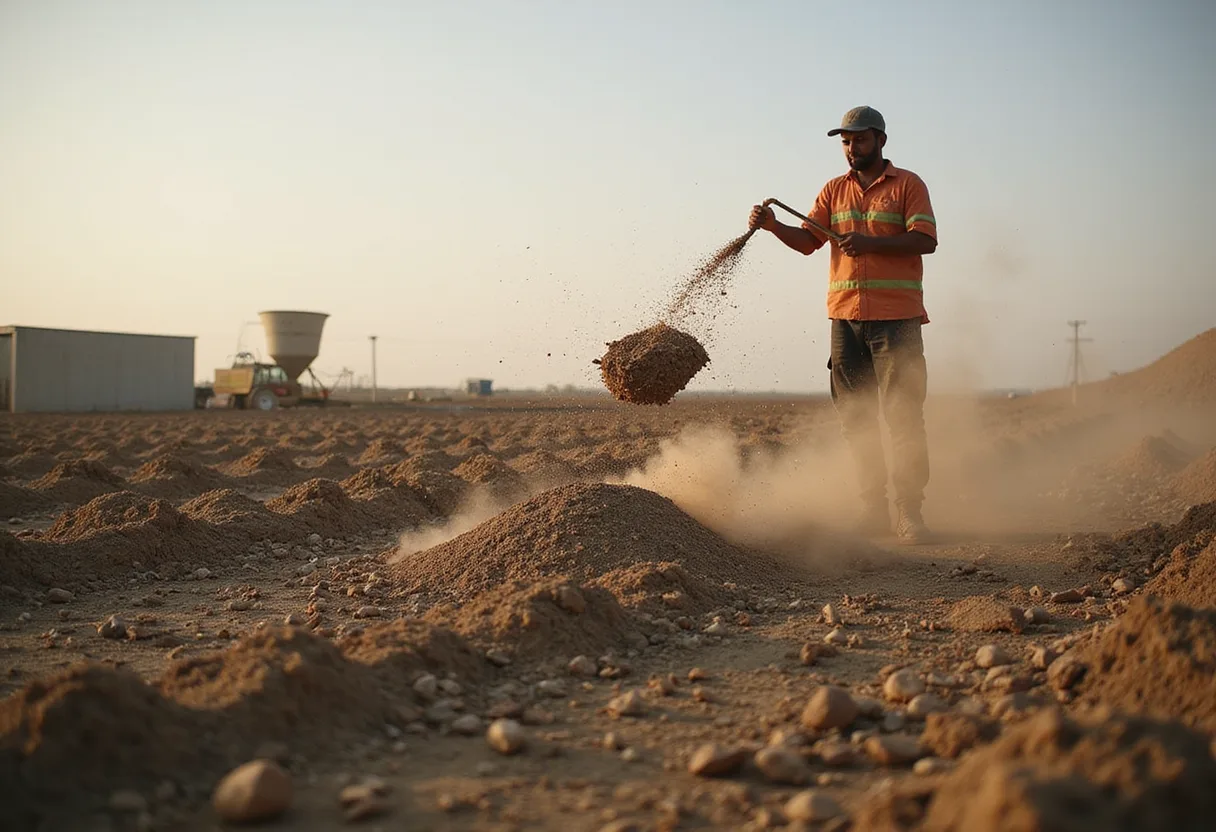
The closure of the Strait of Hormuz is radically reshaping the global fertilizer market, Farm Progress reports, cutting a key maritime route for the nitrogen and potash cargoes that Gulf producers ship to import-dependent farm regions.
The strait is the exit point for fertilizer and fertilizer feedstock exports from Persian Gulf producers, and its closure forces suppliers, traders and buyers to reroute volumes at higher freight cost and longer transit times. For growers, the immediate transmission channel runs through nitrogen prices: urea and ammonia output concentrated around the Gulf depends on the region's natural gas and its export terminals.
What does the closure change for supply?
Farm Progress frames the shutdown as a structural disruption rather than a temporary squeeze. Shipping lanes that normally carry Gulf fertilizer exports to Asia and to European and African buyers now face blockage or diversion, and the market is repricing accordingly.
The fertilizer market had already been volatile through the season. A route closure layered on top of that volatility affects:
- Nitrogen freight routes for urea and ammonia cargoes out of the Gulf;
- Trade flows to importing regions that rely on Gulf volumes;
- Prices paid by farmers for spring-applied nutrients, as traders reprice risk.
How does it reach the farm gate?
Input buyers watch urea and ammonia benchmarks when they lock in nitrogen programs. A prolonged closure keeps a premium on available non-Gulf supply and lengthens delivery lead times, which matters most for operations that apply fertilizer on a tight agronomic window and cannot easily defer purchases.
Farm Progress' reporting centers on the market reshaping itself — trade routes, sourcing decisions and price formation adjusting to the loss of the strait as a through-route. The outlet does not present the closure as a short-term spike that reverses on reopening; the reshaping of flows is the story.
What should growers and co-op buyers watch?
For cooperatives and retailers pricing spring programs, the practical questions are how long the closure holds and how quickly alternative suppliers can absorb the volume. Fertilizer markets route around disruptions when spare capacity and freight exist, but both come at a cost that lands in the grower's input line.
The direction of the market from here depends on the duration of the closure and on how Gulf producers redirect output, factors Farm Progress identifies as the drivers of the continued reshaping of fertilizer trade.
via Google News: Fertilizer markets (Source)
More from Olivia Hart
Show full bio
News editor covering technology and product news in Agribusiness coverage for industry professionals at Agribusiness Wire.
420 articles
Also in the yard
- Strait of Hormuz Closure Keeps Fertilizer Markets Under Strain
- Fertilizer Prices Surge as Hormuz Disruptions Tighten Supply
- Hormuz Stays Open, but Fertilizer Prices Keep Climbing
- Strait of Hormuz Disruption Threatens Commodity Flows Beyond Energy
- Strait of Hormuz Closure Could Hand Russia the Lead in Fertilizer Trade