Lot No. LOT-9229 · offered October 9, 2026
Seeds, Crop Protection & FertilizerLot sheet
Sulfur squeeze threatens to lift US phosphate fertilizer costs
Sulfur supply tightness is signaling higher US phosphate fertilizer costs into the spring application window, with the sulfuric acid feedstock shortage threatening to pull MAP and DAP pricing higher and tighten farm margins.
Market notes
- Sulfur is the primary feedstock for sulfuric acid used in MAP and DAP production
- US phosphate production is concentrated in central Florida (Bone Valley) and coastal North Carolina
- Mosaic is the largest US phosphate producer; Nutrien and ICL operate additional Florida and Louisiana capacity
- Most merchant sulfur is recovered as a byproduct of oil and natural gas refining via the Claus process
- A sustained sulfur shortage would likely pull phosphate price increases forward by several weeks into spring
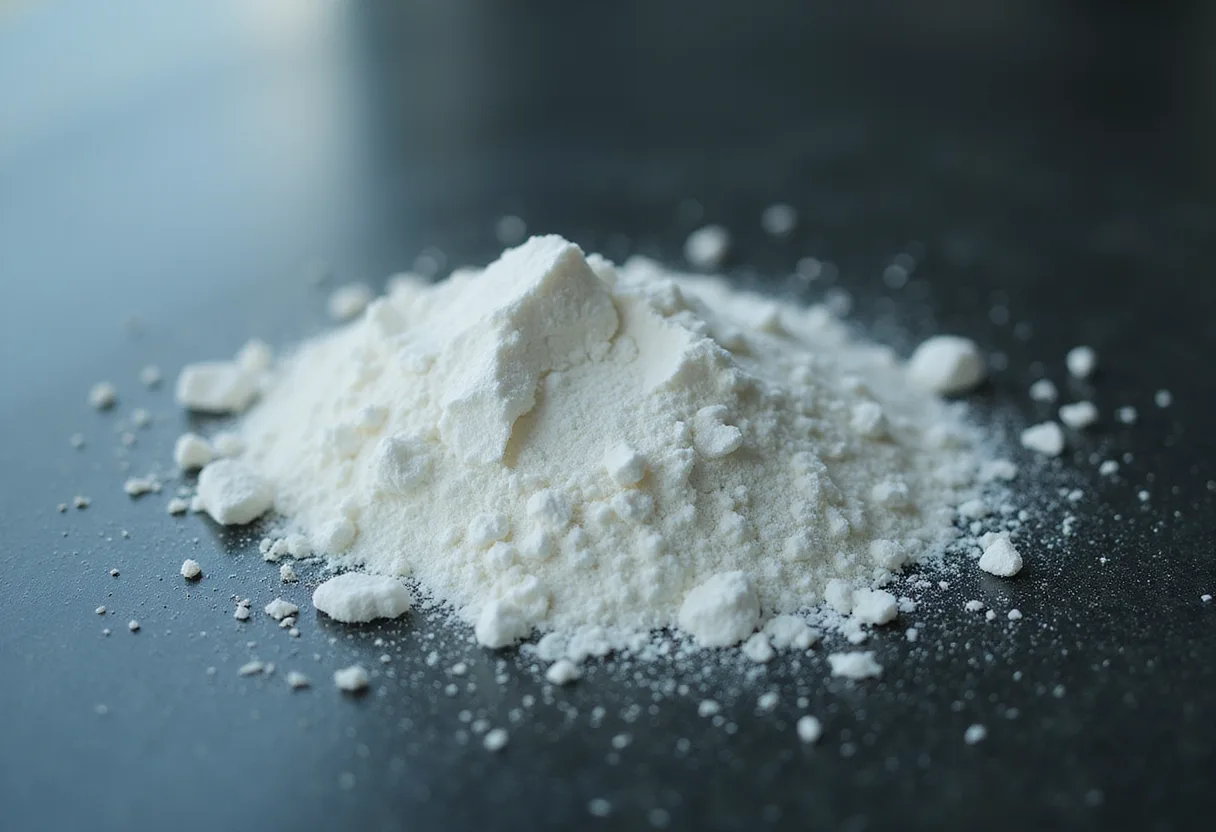
A tightening global sulfur supply is signaling higher phosphate fertilizer costs in the application windows ahead, with farm-level margins facing renewed pressure as the spring buying season approaches.
Sulfur is the primary feedstock for sulfuric acid, and sulfuric acid defines the wet-process phosphoric acid route that turns phosphate rock into MAP and DAP — the two workhorse phosphate fertilizers applied to corn, soybeans and wheat across the United States. A pinch on the sulfur side translates almost directly into either higher phosphate prices or reduced run rates at the plants that produce them.
What does sulfur actually have to do with phosphate?
Phosphate rock must be reacted with sulfuric acid to liberate the P2O5 that becomes the analysis on a fertilizer bag. Without adequate acid, phosphate plants throttle back, tightening the supply of finished MAP and DAP. The chain is short, mechanical, and hard to substitute at scale.
Who runs the US phosphate base?
Most US capacity sits in central Florida on the Bone Valley formation and along the North Carolina coast. Mosaic remains the dominant US phosphate producer. Nutrien operates phosphate assets in Florida and Louisiana, and ICL runs Iberon in Louisiana with additional phosphate output tied to its Dead Sea complex. When those plants run below capacity, the country leans on imports — primarily Moroccan OCP, with Russian-origin product entering when the sanctions regime allows.
Where does the sulfur come from?
The bulk of merchant sulfur arrives as a byproduct of oil and natural gas refining, recovered through the Claus process at refineries and gas plants. Imports fill the gap, with terminal flows historically running through Tampa Bay and US Gulf ports from Canada, Mexico and the UAE. Refinery utilization rates and energy-market conditions shift domestic recovered volumes; a tight global oil and gas market tends to coincide with tighter byproduct sulfur supplies.
Why does this hit farm margins?
Phosphate typically represents a meaningful share of a corn grower's variable cost stack, alongside nitrogen and potash. Even a modest percentage rise in MAP or DAP pricing pressure working capital for cash-rent operators who locked in lower fertilizer prices last fall. Sulfur itself also sells as a soil amendment on sandy soils and in canola rotations, so a tight supply chain hits both the downstream fertilizer market and on-farm sulfur applications at once.
Retailers face the other side of the same trade. Those who already paid up for phosphate inventory risk margin compression if retail prices slip before spring demand finishes. Those who are short on book are already fielding pre-buy commitments from growers trying to lock the cost line ahead of planting.
How exposed is the fertilizer channel?
The United States ranks among the top global phosphate producers, behind China and Morocco, but domestic supply has shifted as smaller players have exited the wet-process segment. The concentration of remaining capacity in Florida means any plant-level disruption — sulfur-related or otherwise — moves national wholesale pricing quickly.
What to watch next
The near-term test is whether sulfur inventories at Florida terminals and Tampa-area ports hold through the first quarter, and whether phosphate producers shift to allocating MAP and DAP to contracted buyers before the spot market clears. Retailers report spring fieldwork decisions are landing earlier each year; a sustained sulfur-tight signal from the Gulf and Tampa Bay would pull forward phosphate price action by several weeks, squeezing already compressed margins as growers finalize 2026 planting mixes.
via Google News: Fertilizer markets (Source)
More from Marcus Bennett
Show full bio
Senior reporter covering regulation, policy and their impact on Agribusiness coverage for industry professionals at Agribusiness Wire.
410 articles