Lot No. LOT-6145 · offered October 16, 2026
Farm MachineryLot sheet
Tariffs Raise Farm Equipment Costs Again, Squeezing Margins
Tariffs are pushing farm equipment costs higher again, Farm Progress reports, though no percentage figure has been published — a gap growers should weigh in 2025 budgets.
Market notes
- Farm Progress reports tariffs are pushing farm equipment costs higher still.
- The report does not quantify the increase with a percentage or dollar figure.
- Cost pressure extends to parts and dealer discounts, not just list prices.
- Deferred replacement shifts spending from capital budgets into rising repair budgets.
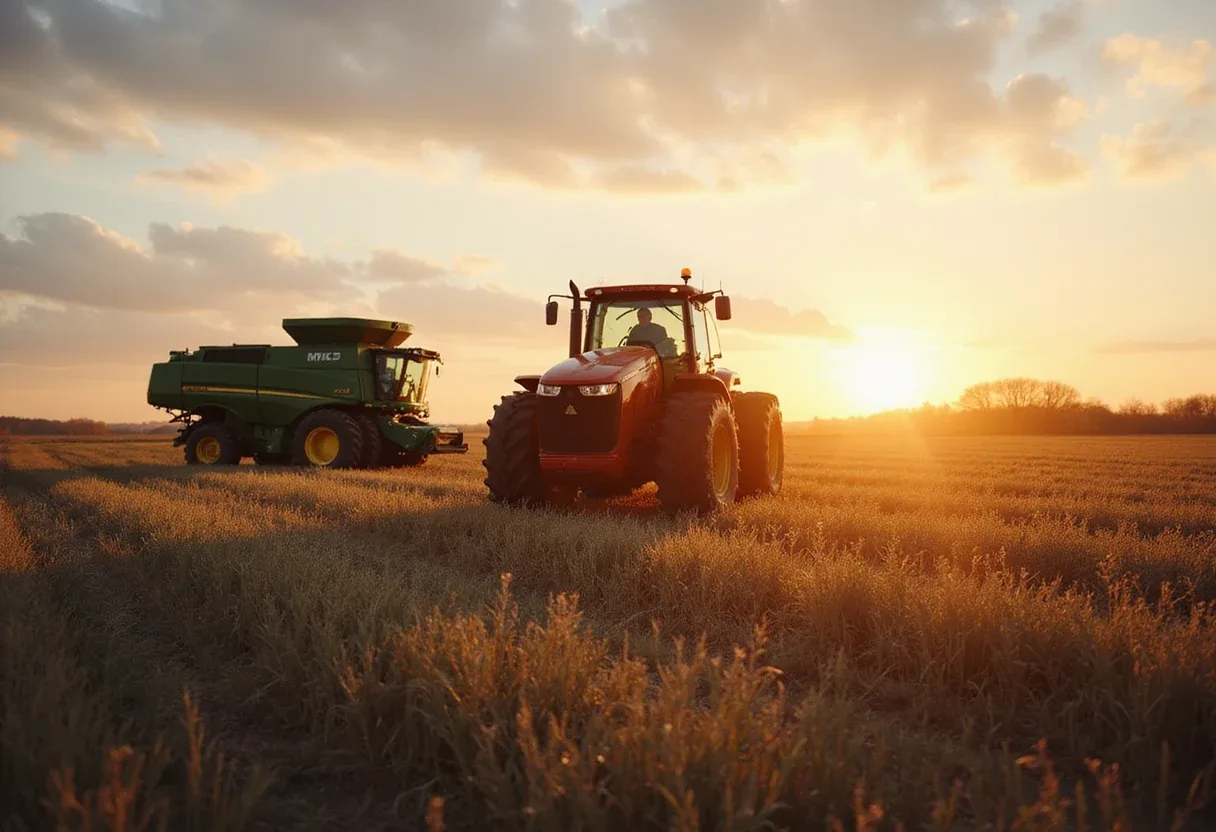
Tariffs are pushing farm equipment costs higher still, Farm Progress reports — a second round of pricing pressure that lands on top of already elevated machinery prices and stiff financing terms. The report does not attach a single percentage figure to the increase, and that gap matters for any grower now budgeting for 2025 capital spending.
For most operations, machinery ranks behind land and inputs as a cash cost, but it is the line item farmers can most easily defer. That is precisely what makes tariff-driven increases disruptive: they push more growers toward the repair-and-hold path at the same time parts — many of them imported — carry the same duty exposure as finished machines.
What does the new cost pressure change?
The immediate effect falls on replacement timing. When a combine, tractor or planter carries a tariff-inflated sticker, the depreciation math shifts. A machine that would have traded at five years may now run seven or eight, and deferred replacement moves spending from capital budgets into maintenance budgets — where parts pricing is also climbing.
The secondary effect falls on cash rent and land bids. Growers who absorb higher equipment costs have less room to bid aggressively on acres, and landlords negotiating next season's rents are negotiating against a cost base that just grew again.
What the report does not say is as important as what it does. It offers no manufacturer-by-manufacturer breakdown, no distinction between tractors, combines, implements or parts, and no timeline for when dealers expect the increases to reach the lot. Until dealers publish updated price sheets, any specific dollar figure a grower hears deserves skepticism. Takeaway: the direction of equipment prices is clear; the size of the move is not yet quantified.
Why tariffs reach the farm lot
Equipment pricing reflects a long supply chain. Steel, castings, electronics and hydraulic components cross borders before final assembly, and duties at any point in that chain show up in the invoice price. Imported brands carry direct exposure; domestic brands carry it through their component suppliers. Either way, the grower sits at the end of the chain and holds the final bill.
Dealers are the buffer in the middle. They finance floor plans, and a price increase that slows turnover raises their carrying costs. Some of that pressure reaches farmers through thinner discounts rather than higher list prices — which means the advertised sticker may understate what has changed.
Takeaway: tariff costs reach farms through several doors at once — list prices, parts, and the discount a dealer can no longer afford to give.
How growers are responding
The practical playbook is familiar from previous cost spikes:
- Run current machines longer and budget heavier for repairs.
- Lock parts orders early where prices are quoted.
- Compare used-equipment values closely, since deferred trade-ins tighten used supply and push used prices up too.
- Re-run custom-hire numbers; in some operations, hiring a custom operator now beats owning an underutilized machine.
Each of these moves carries a caveat. Repair budgets are easier to plan than equipment breakdowns, used supply tightens for everyone at once, and custom operators face the same tariff-inflated costs when they set rates. There is no cost-free option on the table.
What to watch next
The numbers that will settle this story are dealer price sheets, manufacturer pricing announcements, and eventually the USDA farm-production-expenditure data that captures what farmers actually paid — not what tariffs theoretically add. Until those figures arrive, the working assumption for budgeting purposes is straightforward: machinery costs are rising again, by an amount no one has yet put on paper.
Dealers and manufacturers will publish updated pricing as tariffed inventory moves through the chain, and those sheets — not the headline — will tell growers how hard this round actually hits.
via Google News: Farm equipment (Source)
More from Olivia Hart
Show full bio
News editor covering technology and product news in Agribusiness coverage for industry professionals at Agribusiness Wire.
420 articles
Also in the yard
- Tariff Cuts Bring Only Limited Relief to Farm Equipment Sector
- Canadian Tariffs Strike U.S. Farm Equipment Sector
- Canada Tariffs Strike U.S. Farm Equipment as Trade Dispute Escalates
- Global Surge in Used Farm Equipment Reshapes U.S. Grower Buying
- Proposed Federal Tax Change Would Let Farmers Fully Expense Machinery