Lot No. LOT-3933 · offered October 9, 2026
Crop EconomicsLot sheet
Tough Soybeans Slow Illinois Harvest, Pushing Up Diesel Costs
Dekalb/Asgrow agronomist Lance Tarochione reports combines throttling back on tough, slow-drying soybeans in western Illinois, with extra engine hours showing up directly at the fuel pump.
Market notes
- Dekalb/Asgrow field agronomist Lance Tarochione covers western Illinois, a heavy soybean-production region.
- Soybean stems and pods in his territory remain green past typical October dry-down timing.
- Combines forced to run at reduced ground speeds in tough crop, raising per-acre fuel burn.
- Extra combine hours add to labor, machine depreciation and wear alongside diesel costs.
- Tough beans typically finish drying only after a hard freeze kills the stems.
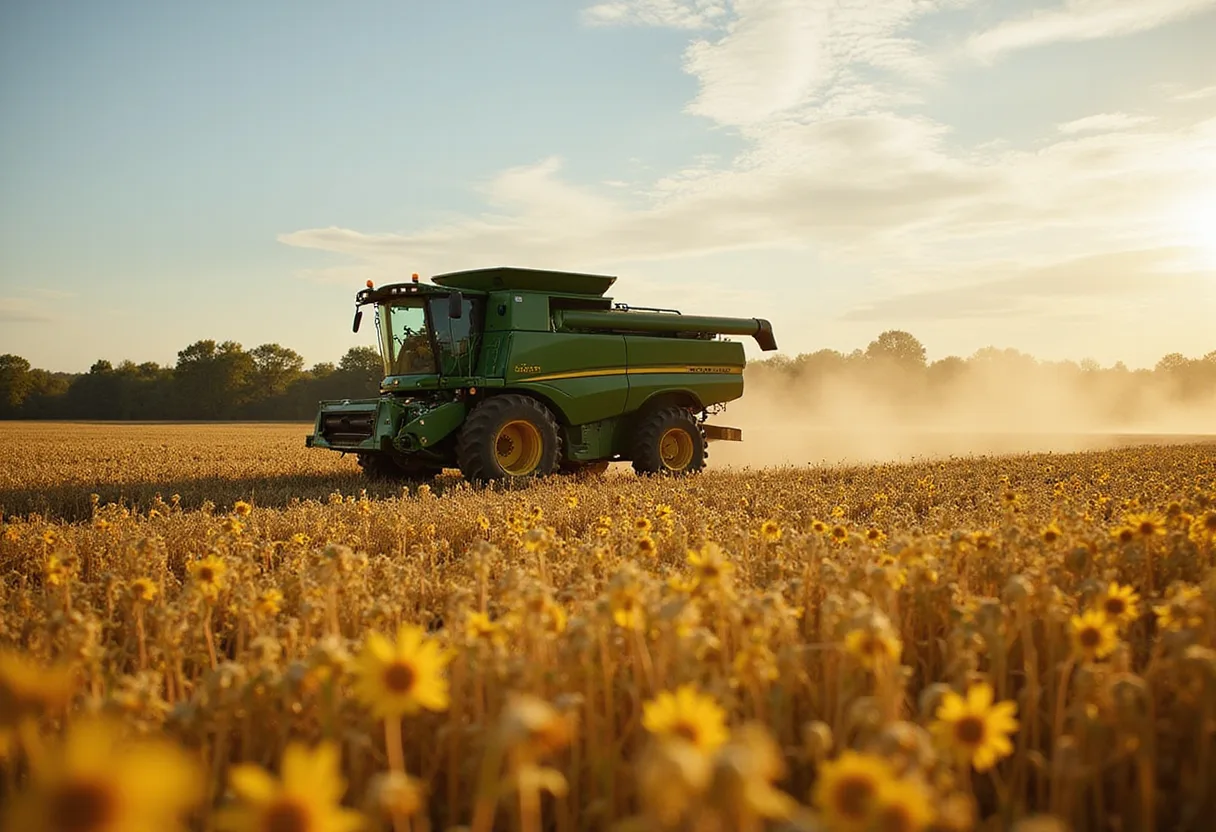
Combine operators across western Illinois are throttling back on tough, slow-drying soybeans, and the extra engine hours are showing up directly at the fuel pump.
"Some beans that are so green, and so tough looking, that I was surprised they were even going through," Lance Tarochione, a field agronomist with Dekalb and Asgrow, told Brownfield Ag News.
Tarochione, who covers a western Illinois territory that typically ranks among the heaviest soybean-producing counties in the state, says the unseasonably green crop is forcing combines to creep across fields rather than open up to normal ground speeds.
"You can't make good time cutting beans that tough," he said.
Why are Illinois soybeans running so tough?
Tarochione describes fields where stems and pods remain green well past the calendar window when growers expect dry-down to be complete. The condition is showing up across enough acres to make even veteran operators stop and look at what is coming through the header.
The agronomist's comments point to a wider Midwestern pattern: a late-planted, late-maturing crop now bumping up against an abbreviated harvest window. When pods and stems fail to cure properly, combines cannot maintain normal ground speed without leaving grain in the field or sending unthreshed material through the rotor.
Green plant matter also loads up the combine's threshing and separation systems. Operators often slow down and run the cylinder at higher speeds to crack tough beans free of their pods, which compounds fuel use per acre.
How does slower cutting translate to higher diesel costs?
Diesel remains the single largest variable fuel cost on a Midwestern grain operation. Combines running heavy in tough crop conditions can consume substantially more fuel per acre than the same machines running in dry, even crop.
Each additional hour a combine spends in the field also adds labor cost, machine depreciation and wear on belts, chains and threshing components. With on-farm diesel prices already elevated above the five-year average heading into fall, any extension of harvest hours pushes the per-bushel cost of getting soybeans out of the field and into the bin higher than budgets planned for.
Tarochione's observation from the cab is essentially that the agronomic problem and the fuel-cost problem are the same problem viewed from two angles. Tough beans mean more hours per acre, and more hours per acre mean more diesel burned per bushel.
What does this mean for the rest of the harvest?
Tough soybeans typically finish drying once a hard freeze finally kills the stems. Until that killing frost arrives, growers are stuck weighing two costly options: combine slowly now and accept the extra fuel burn, or wait for a frost that may or may not arrive on time.
Waiting also carries risk. The longer green stems hold on to pods, the greater the chance of lodging, shatter losses and quality deductions at the elevator when the crop finally comes off.
For grain elevators and propane suppliers planning artificial-drying capacity through November, an agronomist's report like Tarochione's serves as an early signal. A cool, wet finish tends to push more bushels through heated dryers rather than relying on in-field dry-down, which can tighten propane logistics in heavy soybean counties.
Growers still looking at green stems and tough pods have a simple, expensive choice: keep the combine rolling slowly through October and pay for it in diesel, or hold off and pray for a killing frost that the calendar cannot guarantee.
via Brownfield Ag News (Source)
More from Olivia Hart
Show full bio
News editor covering technology and product news in Agribusiness coverage for industry professionals at Agribusiness Wire.
421 articles
Also in the yard
- Soybeans Slide as Profit Taking Meets Building Harvest Pressure
- Wet October Slows Western Illinois Harvest; Lodged Corn, Soybeans Pile On
- Michigan Harvest Trails Last Year and Five-Year Pace
- Iowa State Agronomist: Persistent Rain Stalls Harvest, Quality Erodes
- Four Soybeans Per Square Foot: Combine Losses That Cost a Bushel Per Acre