Lot No. LOT-6851 · offered October 9, 2026
Trade & ExportsLot sheet
Trump Floats Iran Deal for Farm Exports; Tehran Rejects Frozen-Asset Terms
Trump says an Iran nuclear deal could expand US agricultural export channels, but Tehran's refusal to accept conditions on frozen assets has stalled the broader diplomatic package.
Market notes
- Trump says an Iran nuclear deal could expand US agricultural export channels.
- Tehran has publicly rejected conditions tied to the release of frozen Iranian assets.
- The dispute centers on billions in Iranian funds blocked under US sanctions enforcement.
- US exporters cannot finance bulk shipments to Iran under the current sanctions regime.
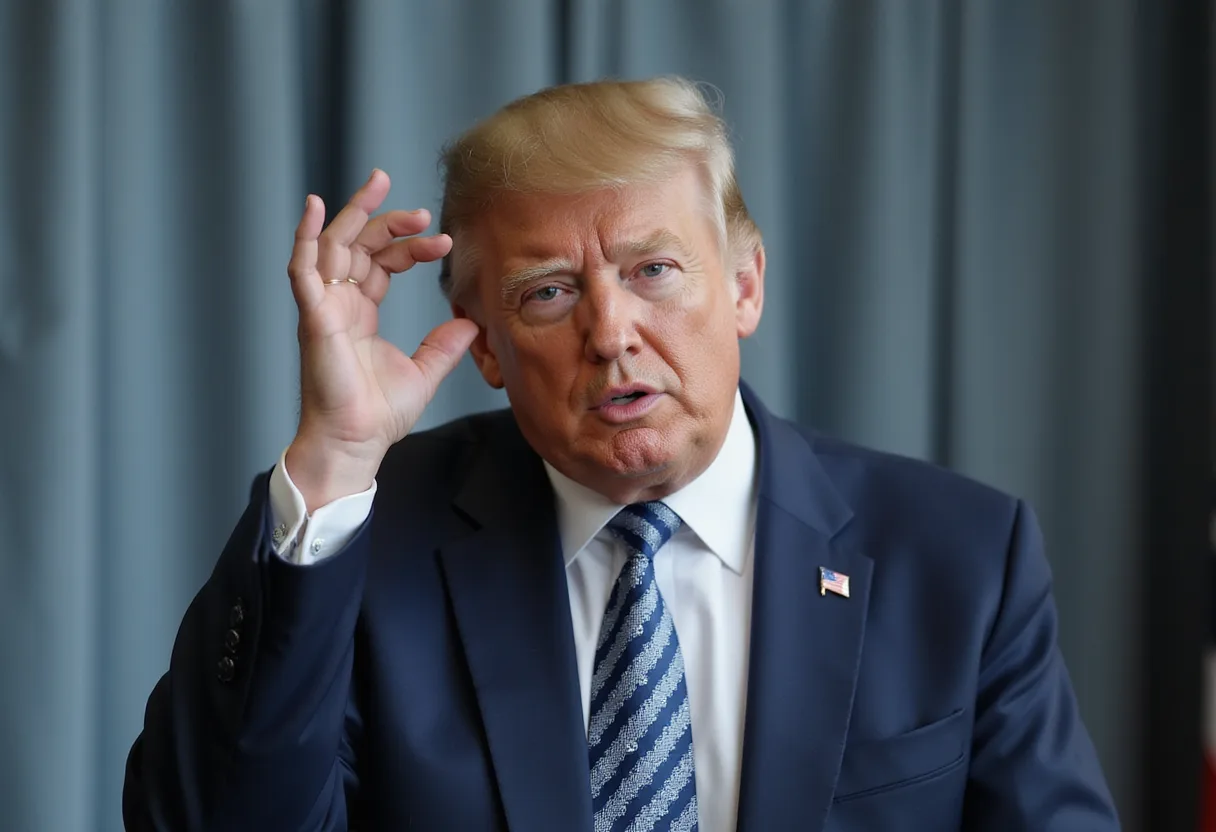
A potential nuclear agreement with Iran could expand export channels for US farmers, President Donald Trump said. Tehran has refused to accept conditions tied to the release of frozen Iranian assets, a dispute that has stalled the broader diplomatic package and its agricultural component.
The disagreement sits outside the farm-trade file. Iranian officials have rejected the framework governing billions of dollars in Iranian funds blocked under US sanctions enforcement across multiple jurisdictions. Without resolution on the financial terms, the market openings Trump described remain theoretical for US growers.
What agricultural commodities are at stake?
Iran imports meaningful volumes of wheat, corn, soybean meal and rice in normal trade years. Those categories align with US export strengths in the Midwest and Pacific Northwest, though Iran also sources heavily from Russia, Brazil and the Black Sea region.
US wheat exporters have watched market share erode in Middle Eastern and North African destinations since 2022, when the Russia-Ukraine war shifted competitive dynamics. A normalized Iran relationship would partially restore those flows if sanctions architecture permits, though it would not replace the volume US exporters have lost to Black Sea origin.
Corn and soybean meal shipments would compete against Argentine and Brazilian suppliers already well-positioned in the Iranian poultry and dairy sectors. US competitive advantage would depend on relative basis and freight spreads at the time of any opening.
Why is Tehran refusing the conditions?
The frozen-asset dispute is the central sticking point in the negotiations. Iranian officials have demanded unrestricted access to funds held abroad, while Washington's framework restricts end-use and recipient entities. Tehran has publicly rejected those conditions, narrowing the room for compromise in the near term.
Without a workable mechanism to release the frozen assets, negotiators cannot advance to implementation of any trade component — agricultural or otherwise. The financial file must move first.
What would an actual ag deal require?
US exporters financing bulk commodity shipments typically rely on USDA export credit guarantee programs and dollar-clearing infrastructure. Iranian buyers cannot currently access those tools under the sanctions regime in force, which constrains commercial viability regardless of political alignment.
USDA's Foreign Agricultural Service would also need to assess market access conditions before any commercial flow could begin. Sanctioned jurisdictions are not currently active participants in US agricultural market development programs, and reestablishing those channels takes time even after formal sanctions relief.
What's the trade-policy backdrop?
The Iran file runs parallel to the broader US Middle East trade posture. Trump administration officials have separately pursued normalization talks with regional partners, where Iran tensions complicate regional diplomacy. Agricultural exporters operate within that matrix, not in isolation from it.
Industry groups representing US wheat and poultry exporters have historically targeted Iran as a potential market. Sanctions enforcement over the past decade suspended most of that programming.
What should producers and cooperatives watch?
Grain merchandisers, cooperative export desks and producer boards should monitor three signals:
- Treasury sanctions adjustments affecting Iranian financial institutions
- Foreign Agricultural Service reporting on Iran import tenders
- Congressional notification of any sanctions relief package
Until those mechanisms move, the export upside Trump described functions as a long-dated option rather than a near-term demand source. Cooperative export programs have not yet adjusted merchandising plans around the possibility of an Iranian opening.
Tehran's firm stance on frozen-asset conditions leaves the timeline for any agricultural breakthrough well beyond the current crop marketing year.
via Google News: Agricultural trade (Source)
More from Grace Kim
Show full bio
Correspondent covering people, launches and day-to-day practice in Agribusiness coverage for industry professionals at Agribusiness Wire.
453 articles