Lot No. LOT-7944 · offered October 9, 2026
Trade & ExportsLot sheet
U.S.-China Tariff Talks Put Soybeans at Center of Trade Reset
U.S.-China tariff talks have put soybeans and farm exports at the center of a high-stakes trade reset, AgroLatam reports, with direct implications for basis, crush spreads and farm margins.
Market notes
- U.S.-China tariff negotiations have placed soybeans at the center of trade talks, AgroLatam reports
- Farm exports are a focal point of what AgroLatam calls a high-stakes trade reset between Washington and Beijing
- Tariff outcomes feed directly into grower economics through basis, export pipelines and input costs
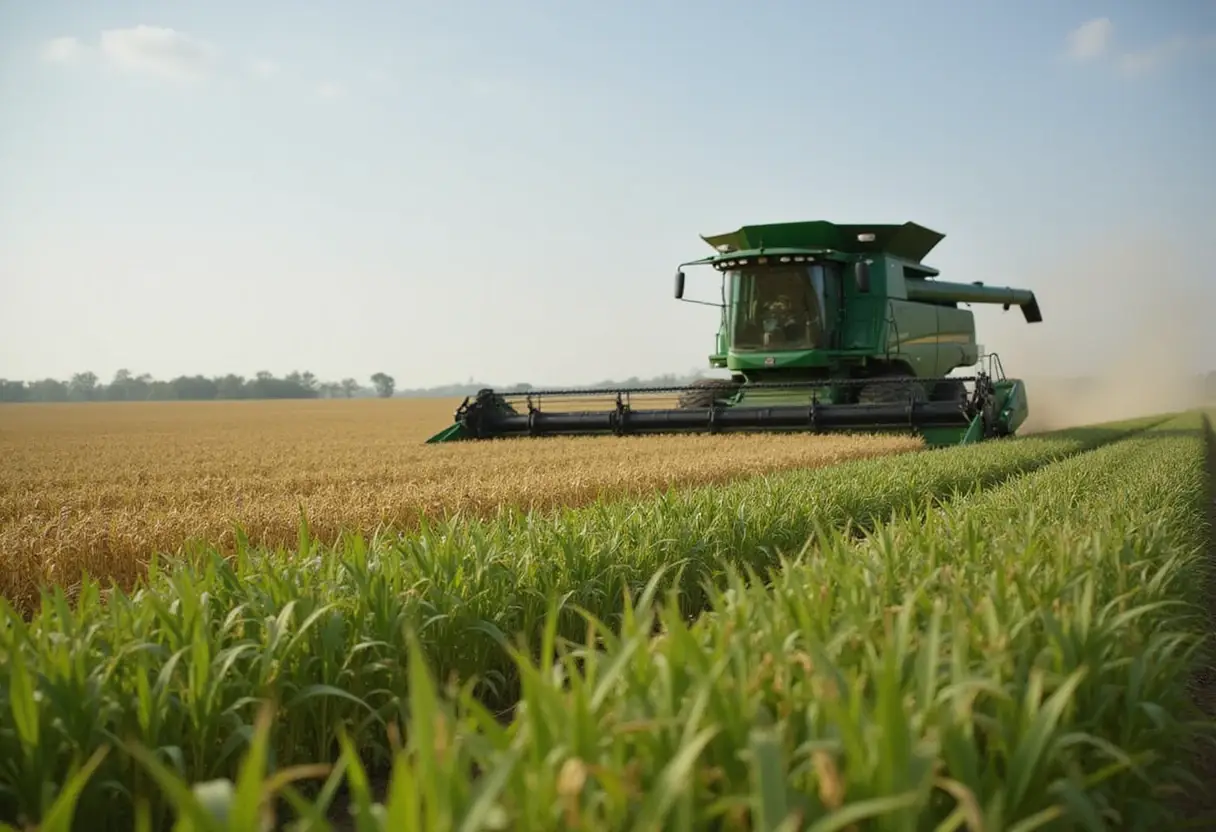
U.S.-China tariff negotiations have placed soybeans and farm exports at the center of a high-stakes reset of the two countries' trade relationship, AgroLatam reports.
For American growers, the stakes are straightforward. Soybeans remain the single largest U.S. farm export to China, and any movement in tariffs or procurement patterns directly reshapes basis levels at country elevators across the Corn Belt, Delta and Northern Plains.
Why do soybeans anchor the talks?
The oilseed complex sits at the intersection of both economies. China needs crushing capacity feedstock for its meal and edible oil markets. U.S. producers, in turn, depend on Chinese demand to clear record-large supplies in a market already pressured by South American competition.
When Beijing reshuffles tariff schedules or shifts sourcing toward Brazil and Argentina, the effect reaches U.S. farm margins quickly — through weaker Gulf basis, higher carryout estimates and wider crush spreads that do not always translate into better farmgate prices.
What does a trade reset mean for growers?
Negotiations of this scale typically run on multiple tracks:
- Tariff levels on agricultural goods moving in both directions
- Procurement commitments that determine how much product China actually buys
- Timing, since sales windows around planting and harvest shape farmer selling decisions and storage economics
AgroLatam characterizes the current round as a high-stakes reset rather than routine dialogue. That framing matters for growers planning input purchases and marketing, because tariff outcomes feed directly into fertilizer, chemical and equipment cost calculations — many of those inputs carry their own exposure to the bilateral relationship.
How should readers weigh the reporting?
As with any trade story, analysts advise separating negotiating positions from signed outcomes. Talk of a reset does not equal implemented policy, and export data lags announcements by weeks. Condition reports and sales rumors circulate faster than confirmed customs figures, a gap that has repeatedly whipsawed grain markets during previous rounds of U.S.-China disputes.
Growers and cooperatives watching this round will want to track official tariff publication dates and USDA export sales reporting rather than headline rhetoric alone.
What comes next?
AgroLatam's report signals that soybeans and farm exports will remain the benchmark by which both governments measure progress, meaning commodity desks, cooperatives and input suppliers should expect continued volatility in basis and export pipelines until negotiators publish concrete terms.
via Google News: Agricultural trade (Source)
More from Rebecca Stone
Show full bio
Market editor covering people, launches and day-to-day practice in Agribusiness coverage for industry professionals at Agribusiness Wire.
431 articles
Also in the yard
- China Tariff Cuts Leave U.S. Crop Demand in Question
- China's New US Farm Purchases Raise Global Trade Questions
- China Pledges Bigger Domestic Grain Push, Leaves US Soybeans Out of Tariff Relief
- U.S.-China trade pact could reroute Brazilian farm exports
- U.S. Growers Press Beijing on Soybean, Grain Tariff Standoff