Lot No. LOT-6458 · offered October 9, 2026
Commodity MarketsLot sheet
USDA: 23% of U.S. corn harvested, trails five-year average
USDA reported 23% of U.S. corn harvested, four points behind the 27% five-year average, with 54% of corn and 57% of soybeans rated good to excellent as wet weather stalls Midwest and Plains fieldwork.
Market notes
- 23% of U.S. corn was harvested as of last week, vs the 27% five-year average
- 54% of U.S. corn rated good to excellent, down 3 percentage points week-over-week
- 57% of U.S. soybeans rated good to excellent
- 25% of U.S. soybeans harvested
- 83% of U.S. corn crop mature; extremely wet weather delayed fieldwork across parts of the Midwest and Plains
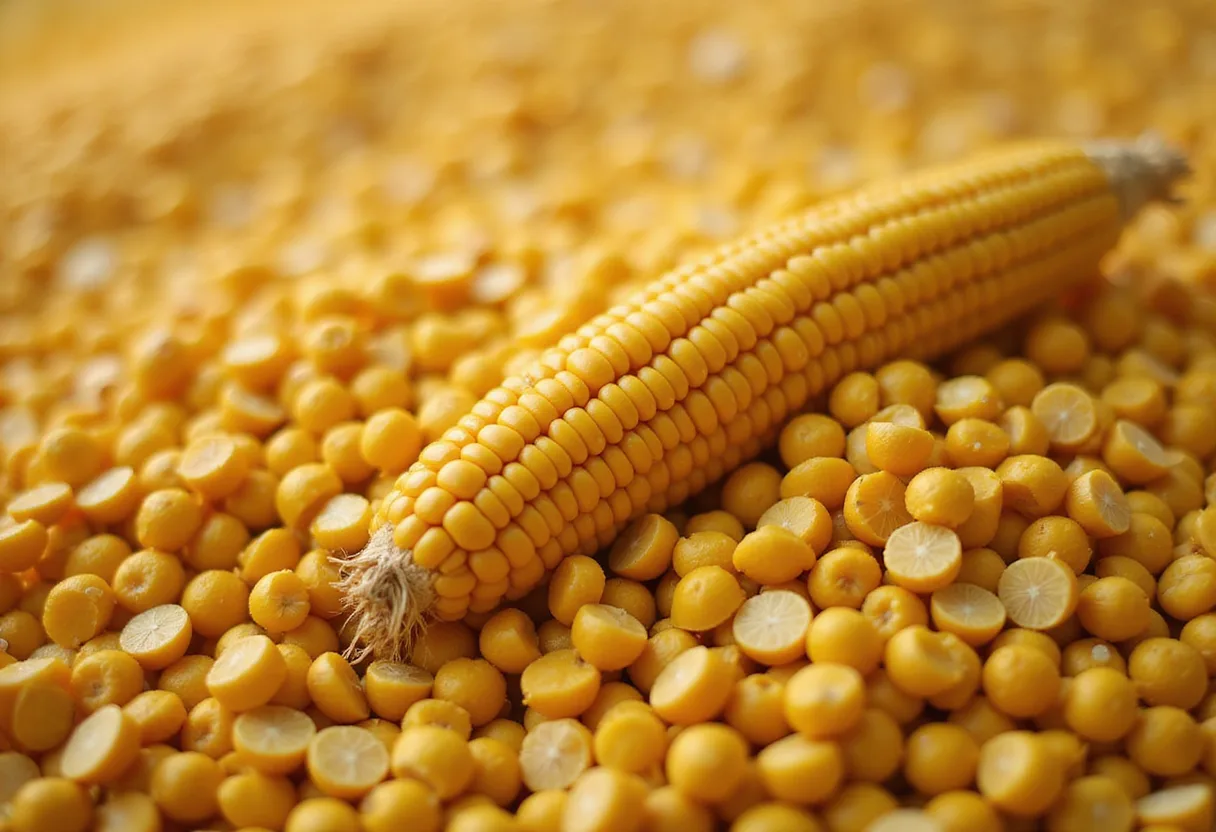
USDA reported 23% of the U.S. corn crop was harvested as of last week, four percentage points behind the five-year average of 27%, as extremely wet weather across parts of the Midwest and Plains kept combines out of fields.
The agency's weekly Crop Progress report showed 83% of the U.S. corn crop had reached maturity. Condition ratings on corn slipped to 54% good to excellent, a three-percentage-point drop from the prior week.
On soybeans, harvest reached 25%, with 57% of the crop rated good to excellent.
What is the wet weather doing to fieldwork?
Extremely wet conditions across portions of the Midwest and Plains have interrupted the final stretch of harvest. In some areas, growers have been unable to run combines, finish tillage, or apply fall fertilizer and herbicide. The delay ripples into post-harvest decisions on storage, drying cost, basis, and the timing of cover-crop seeding.
For soybeans, the timing is equally tight. With 25% of the bean crop cut and 57% rated good to excellent, three-quarters of the acreage still stands in the field. Soybeans left out too long face shatter loss and quality discounts at the elevator, which feed directly into per-acre revenue and cash flow.
How does the pace move basis and farm margins?
The pace matters for elevators and end users. When harvest trails the five-year average, basis at country points typically firms as commercial buyers compete for limited delivered bushels. A three-percentage-point drop in corn condition also tightens the yield picture heading into the back end of the season — a key data input for marketing plans, cash-flow projections, and crop-insurance decisions.
The maturity reading of 83% on corn suggests most of the crop is now ready to cut when weather permits. That points to a concentrated harvest window once fields dry, which can strain local grain handling capacity and pressure basis the other direction — wider, not tighter — if delivery slots fill up.
Growers holding unpriced bushels face a separate calculus. Storage costs — drying, shrink, interest — add up week by week, and a delayed harvest compresses the marketing window into a shorter period when basis is often weakest.
What separates this report from a yield forecast?
The Crop Progress report is a condition snapshot, not a yield forecast. NASS publishes the data each Monday during the growing season, drawing on a state-level survey of extension agents, Farm Service Agency staff, and grower reports. USDA's separate monthly World Agricultural Supply and Demand Estimates report and certified acreage data carry more weight for setting baseline yield expectations.
What should growers and merchandisers watch next?
- The next weekly Crop Progress update, which will show whether the rain continued or whether combines returned to fields.
- Any revision in the maturity and condition ratings, which NASS recalibrates as more harvest results come in.
- Local basis postings at elevators, which respond quickly to harvest pace.
- Forecast rainfall for the lower Midwest and Mid-South, where harvest is most active at this point in the season.
The next monthly WASDE report will give the next major reset on yield, demand, and ending stocks. For now, the national numbers point to a slower-than-normal finish, with the magnitude of any yield revision depending on whether the remaining acres can be cut before weather deteriorates further.
via Brownfield Ag News (Source)
More from Olivia Hart
Show full bio
News editor covering technology and product news in Agribusiness coverage for industry professionals at Agribusiness Wire.
419 articles