Lot No. LOT-6106 · offered October 15, 2026
Commodity MarketsLot sheet
USDA Grain Bids Show Mixed Cash Prices Across Midwest and Gulf
USDA's latest grain bid reports show corn, wheat and soybean cash prices moving in different directions across Midwest elevators and Gulf export terminals.
Market notes
- USDA's latest grain bid report covers corn, wheat and soybean cash prices.
- Cash prices were mixed across Midwest and Gulf regions.
- The report is a daily snapshot of bids, not a forecast.
- Midwest-Gulf spreads reflect logistics and export demand.
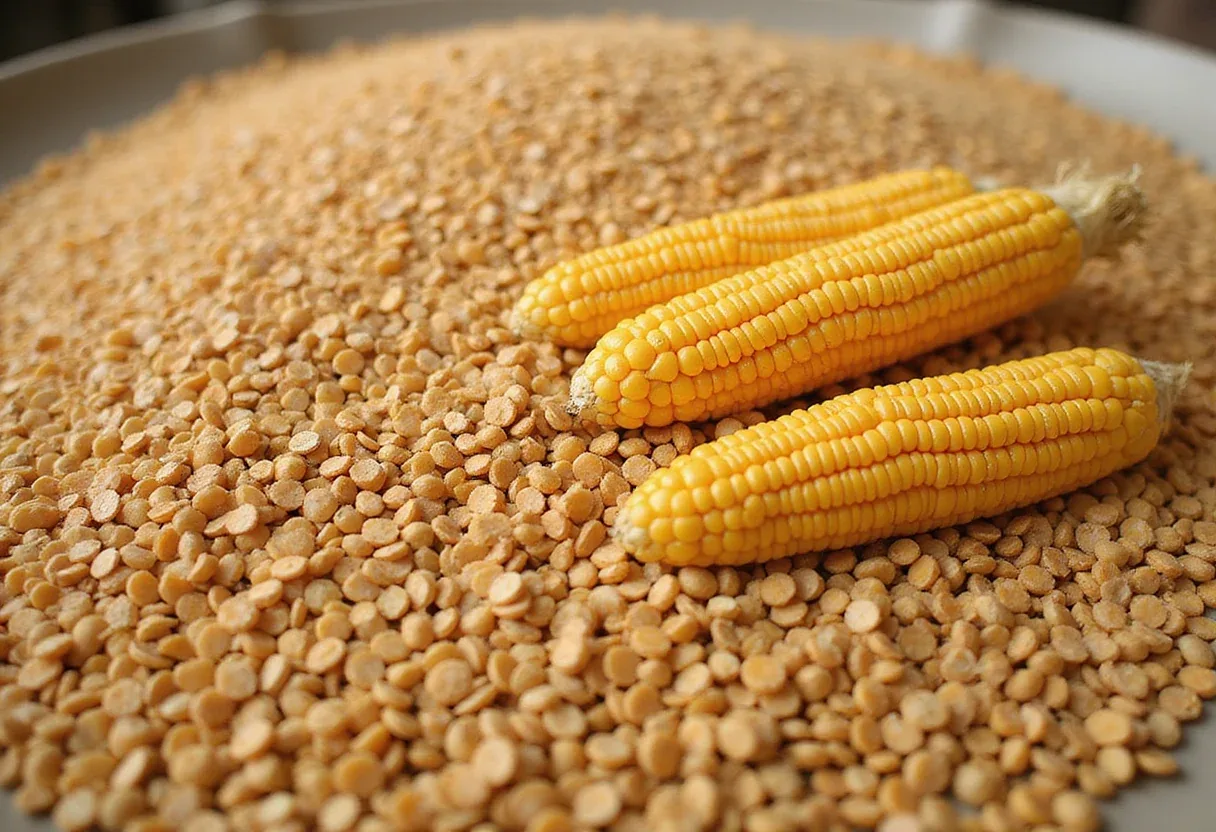
USDA's latest grain bid reports show corn, wheat and soybean cash prices moving in different directions across Midwest country elevators and Gulf export terminals.
The headline result is the split itself: not one direction for the three major row crops, but a mixed pattern that growers and merchandisers will read location by location. The report covers the Midwest — the interior market where farm-level basis is set — and the Gulf, the export gateway whose premiums and discounts signal overseas demand.
What does a mixed bid report tell growers?
A mixed bid picture matters because cash price and basis, not futures alone, decide what actually lands in a farm account. When corn, wheat and soybean bids diverge between the interior and the Gulf, the spread usually reflects logistics, export demand and local supply pressure rather than a single national trend.
For producers, the practical reading is straightforward:
- Compare local elevator bids against Gulf values before committing grain to storage or forward contracts.
- Track basis moves separately from futures; the two rarely tell the same story on any given day.
- Treat daily bid snapshots as condition reports, not forecasts — they describe a moment, not a direction.
The USDA reports do not, on their face, explain why prices diverged. That gap is worth flagging: a bid table documents outcomes, and the causes — weather delays, vessel lineups, export sales — sit in separate data streams.
Why the Gulf numbers carry extra weight
Gulf bids are the reference point for export competitiveness. When Gulf values firm relative to Midwest bids, exporters are effectively bidding harder for grain; when the Gulf weakens, overseas buyers have cheaper alternatives elsewhere, often South American supply for soybeans and corn.
Midwest elevators, in turn, price against what they can capture from that export pipeline net of freight. A wide interior-to-Gulf spread can signal tight barge or rail capacity as easily as strong demand — the bid sheet alone does not say which.
What the report does not say
Daily USDA grain bid summaries carry no forecasts, no acreage revisions and no demand estimates. They are market snapshots. Any claim that a single mixed session marks a trend would outrun the data. Analysts comparing these figures should also check the reporting window and the specific terminals and elevators surveyed, since regional averages can mask sharply different local bids.
For now, the takeaway for producers is narrow but real: verify local basis against the reported ranges, and watch whether the Midwest-Gulf spread narrows or widens in the coming sessions, because that movement will say more about demand than any single day's bids.
via Google News: Grain prices (Source)
More from Olivia Hart
Show full bio
News editor covering technology and product news in Agribusiness coverage for industry professionals at Agribusiness Wire.
414 articles
Also in the yard
- USDA Cash Grain Bids Show Mixed Results Across Midwest, Gulf
- USDA Cash Bids Slip: Corn, Soybeans and Wheat Fall in Midwest, Gulf
- USDA Market News Weekly Report Tracks High Plains Grain Prices
- USDA Crop Report Looms as Corn and Soybean Traders Brace for Volatility
- USDA Market News Rolls Out Weekly Grain Prices for High Plains