Lot No. LOT-7983 · offered October 15, 2026
Precision Agriculture & AgTechLot sheet
UTIA Names Precision Ag Extension Specialist for Row Crops
The University of Tennessee Institute of Agriculture has filled its precision agriculture extension specialist role for row crops, orienting the position toward data-driven input decisions on Tennessee corn, cotton and soybean acres.
Market notes
- UTIA has filled the precision agriculture extension specialist position dedicated to row crops.
- The role will translate sensor, variable-rate and yield-mapping data into recommendations for Tennessee corn, cotton and soybean growers.
- Input costs remain the dominant lever on row-crop profitability, with seed and chemistry prices still above pre-2022 levels.
- USDA's Environmental Quality Incentives Program funds variable-rate nutrient management and cover-crop adoption that local trial data can support.
- No biographical details or start date for the appointee appeared in the initial Morning Ag Clips notice.
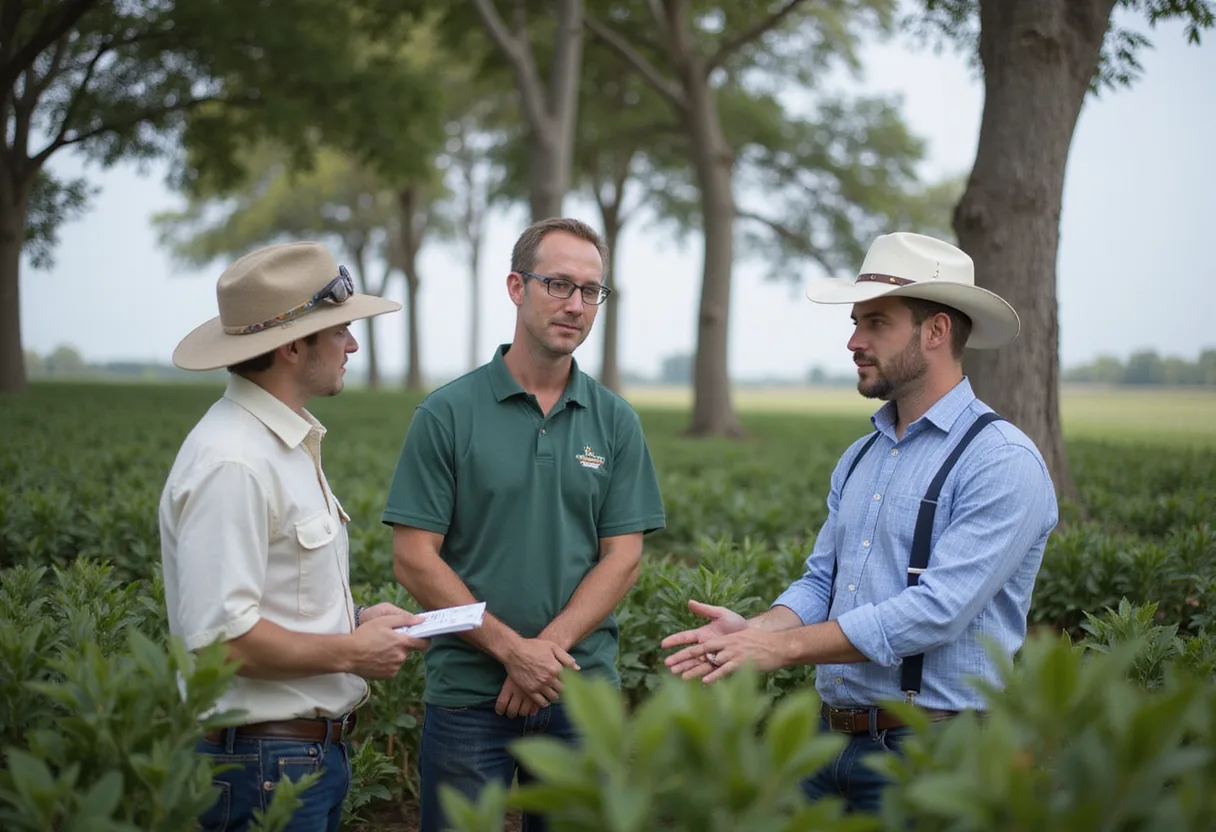
The University of Tennessee Institute of Agriculture has filled its precision agriculture extension specialist role for row crops, a position the institute is orienting toward data-driven management decisions for corn, cotton and soybean operations across the state.
The appointment surfaced this week through Morning Ag Clips, the ag-industry news roundup that carries UTIA press items. The initial notice frames the role around the practical application of sensors, variable-rate input tools (zone-specific application of seed, nitrogen or other inputs) and yield-mapping analytics on Tennessee's principal row-crop acreage.
What the position covers
Precision-agriculture extension specialists sit between the research bench and the farm gate. Their work typically centers on running county-level trials, calibrating soil and tissue tests against yield data, and producing decision tools that growers and crop consultants can apply without an analyst on staff.
For Tennessee, that mandate lands on acres dominated by corn, cotton, soybeans and the double-crop wheat-soybean rotations that have expanded in recent seasons. UTIA has historically stationed precision-ag outreach across multiple departments and across field-day programming at its regional research centers; the new specialist is expected to thread those efforts together rather than add a parallel track.
Why margins are the right lens
Input costs remain the dominant lever on row-crop profitability heading into the next planning cycle. Nitrogen, phosphate and potash prices have moved with global fertilizer benchmarks, while seed and crop-protection chemistry costs have stayed above pre-2022 levels. A specialist who can quantify variable-rate nitrogen response on cotton or push variable-rate seeding on corn directly affects the per-acre cost stack a grower carries into planting.
Extension work also feeds the adoption curve for federal cost-share programs. USDA's Environmental Quality Incentives Program, which pays farmers to adopt conservation practices, funds variable-rate nutrient management and cover-crop transitions. A specialist generating local data on yield response and input savings can shorten the documentation path for growers who apply for those payments.
What changes for advisers and dealers
Ag retailers and independent crop consultants in the Mid-South lean on UTIA trial results because the university serves as a third-party validator outside the proprietary datasets of seed and chemical manufacturers. The new specialist's plot work will flow through the same channels: county extension offices, winter commodity meetings and field-day programming.
For input makers, the role offers a single point of contact for strip-trial collaborations and on-farm demonstration protocols, reducing the coordination friction that comes with working through several faculty members across departments.
What to watch next
Watch for the specialist's research and extension plan as the next material checkpoint. Growers and dealers should expect to see trial locations, cooperating farms and the first set of variable-rate prescriptions within the next full growing season.
via Google News: Precision agriculture (Source)
More from Rebecca Stone
Show full bio
Market editor covering people, launches and day-to-day practice in Agribusiness coverage for industry professionals at Agribusiness Wire.
426 articles
Also in the yard
- UT Institute of Agriculture Names New Precision Ag Specialist
- Tennessee taps Argentine-trained engineer to test precision ag ROI on row crops
- Precision Agriculture Takes Center Stage in Northwest Iowa
- UGA Spotlights Researchers Driving Precision Agriculture Work
- UGA's IIPA Forms Industry Advisory Board to Link Research, Growers