Lot No. LOT-6841 · offered October 9, 2026
Commodity MarketsLot sheet
Western Producer posts daily Western Canada grain price table
The Western Producer has refreshed its daily grain price table for Western Canada, the recurring Prairie feed growers and elevator managers use to set cash bids and forward-contract offers.
Market notes
- Publisher: The Western Producer, based in Saskatoon
- Coverage area: Western Canada, spanning Manitoba, Saskatchewan, Alberta and parts of British Columbia
- Publication frequency: daily, every weekday
- Crops tracked include wheat, canola, barley, peas, lentils, flax and mustard
- Bids reported in Canadian dollars per tonne, with grade and protein adjustments applied by line
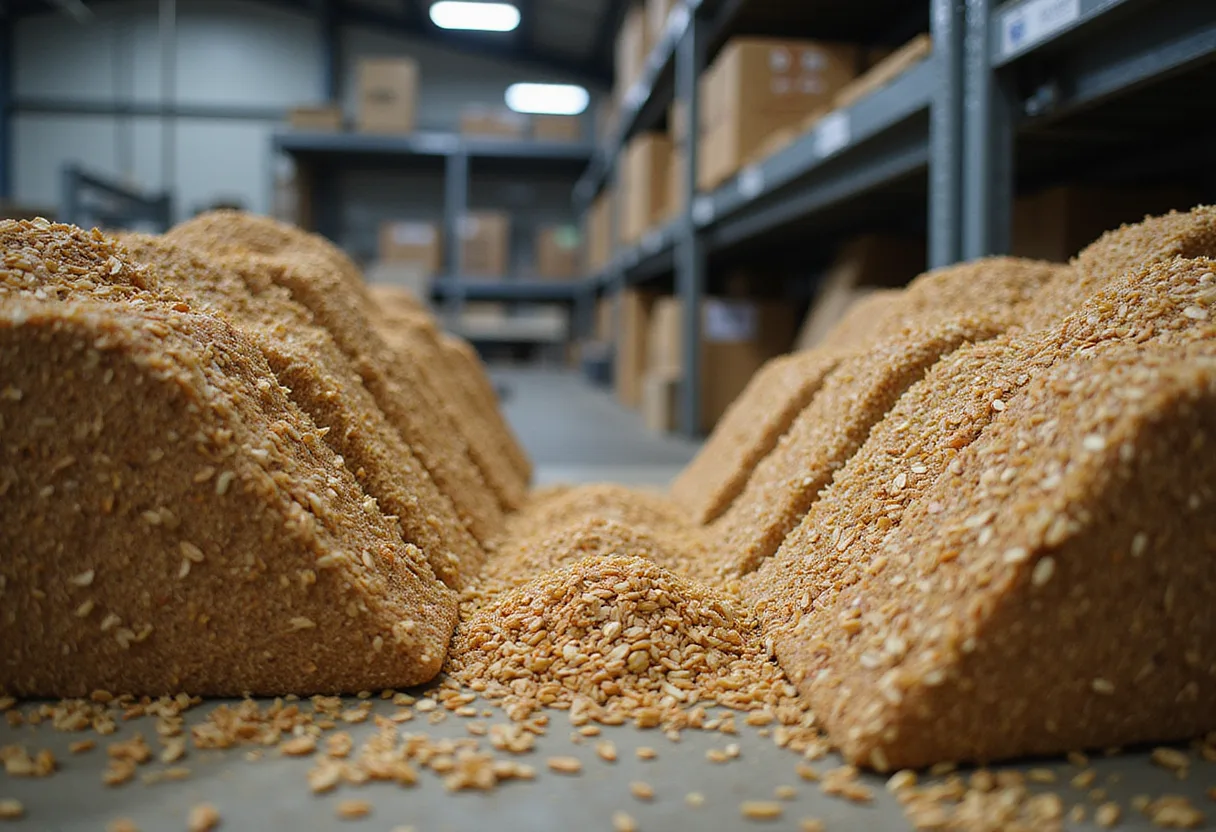
The Western Producer has published its daily grain price table for Western Canada, the recurring Prairie feed that growers, elevator managers and crop merchandisers use to set cash bids and forward-contract offers at the start of each trading session.
The Saskatoon-based farm newspaper posts the table every weekday, drawing on delivered bids reported by grain handlers across Manitoba, Saskatchewan, Alberta and parts of British Columbia. The format has remained a fixture of Western Canadian farm offices for decades, typically printed and posted beside the futures screen during harvest planning and post-harvest marketing. For many farm operations, the daily table ranks as the single most-clicked item on the Producer's site.
What does the daily table include?
The grid organizes posted bids by crop and by delivery point. The standard cash-crop rotation in Western Canada supplies most entries, with separate columns for grade, protein and delivery window:
- Wheat entries cover multiple classes — Canada Western Red Spring, Canada Western Amber Durum, Canada Prairie Spring and feed
- Canola appears with crush and export delivery points distinguished
- Barley lists malt and feed selections
- Pulses cover yellow and green peas, red and green lentils
- Specialty oilseeds add flax and mustard
Each row carries the elevator company's bid, the delivery period and any grade discounts that apply for the reporting week. The table shows bids in Canadian dollars per tonne, the standard pricing unit for Prairie cash grain.
Why does the feed drive farm marketing decisions?
Cash bids in Western Canada rarely track Minneapolis wheat, Chicago corn or ICE canola futures in lockstep. Basis — the gap between the local cash price and the nearby futures contract — shifts by elevator, by rail corridor and by end-use destination. Producers who forward-contract a portion of expected production compare posted bids against their cost of production. Those who hold unpriced inventory in storage use the table to gauge post-harvest basis recovery, when end-users draw down pipeline supplies.
The table also lets growers compare offers among competing elevators within a short haul distance. A higher posted bid at one delivery point can shift selling decisions, particularly when the local crop is short and buyers compete for limited tonnage.
The Producer's price desk sources bids directly from participating elevators each morning. Reported figures reflect posted prices rather than negotiated deals, so farmers shipping under pre-existing contracts may see different net returns after deductions, drying charges and protein adjustments. The table also distinguishes between spot delivery and forward delivery periods, allowing growers to compare immediate-sale bids against deferred-month offers.
Who else relies on the numbers?
The Producer's table circulates well past the farm gate. Feedlot operators in Alberta benchmark barley bids. Pulse processors in Saskatchewan cross-reference pea and lentil numbers. Input retailers — fertilizer, seed and chemical dealers — track canola bids because crop margins drive spring purchasing decisions. Country elevator managers use the feed as a competitive yardstick when posting their own bids.
The underlying data also feeds aggregate reporting by Statistics Canada and Agriculture and Agri-Food Canada, which compile weekly and monthly averages for the Western Canadian grain sector. Market analysts at grain companies reference the table to track cash-to-futures convergence through the crop year, watching for the late-winter narrowing of canola basis that typically signals tight crusher pipeline inventory.
What should readers watch next?
The next refresh arrives with the start of the next trading session. Watch basis moves at the top Prairie delivery points, where end-user demand and rail logistics set the week's tone. Cash bids typically adjust first thing each weekday as elevator managers revise posted offers in response to overnight futures moves and currency shifts.
via Google News: Grain prices (Source)
More from Marcus Bennett
Show full bio
Senior reporter covering regulation, policy and their impact on Agribusiness coverage for industry professionals at Agribusiness Wire.
410 articles
Also in the yard
- Western Producer Posts Daily Grain Prices for Western Canada
- Grainews posts daily Western Canada grain price sheet
- Manitoba Co-operator Publishes Daily Western Canada Grain Prices
- Western Producer Carries Daily Grain Prices for Western Canadian Growers
- Alberta Farmer Express maintains daily Western Canada grain price feed