Lot No. LOT-1397 · offered October 9, 2026
Seeds, Crop Protection & FertilizerLot sheet
Wisconsin seed variety pact aims to widen grower choice
A new agreement promises Wisconsin farmers broader access to seed varieties, per Wisconsin Public Radio. Details on signatories, licensing terms and timing remain pending as the state's farm and input sectors await full disclosure.
Market notes
- A new agreement was announced promising Wisconsin farmers broader access to seed varieties, per Wisconsin Public Radio.
- Seed cost ranks among the top variable input expenses for row crop operations in Wisconsin.
- Wisconsin's row crop and dairy systems depend on genetics tailored to short-season northern climates across varied soil types.
- Details on signatories, licensing terms, royalty structures and timing have not yet been disclosed.
- The agreement could affect per-bag seed prices, trait fees and the count of hybrids suited to local maturity zones.
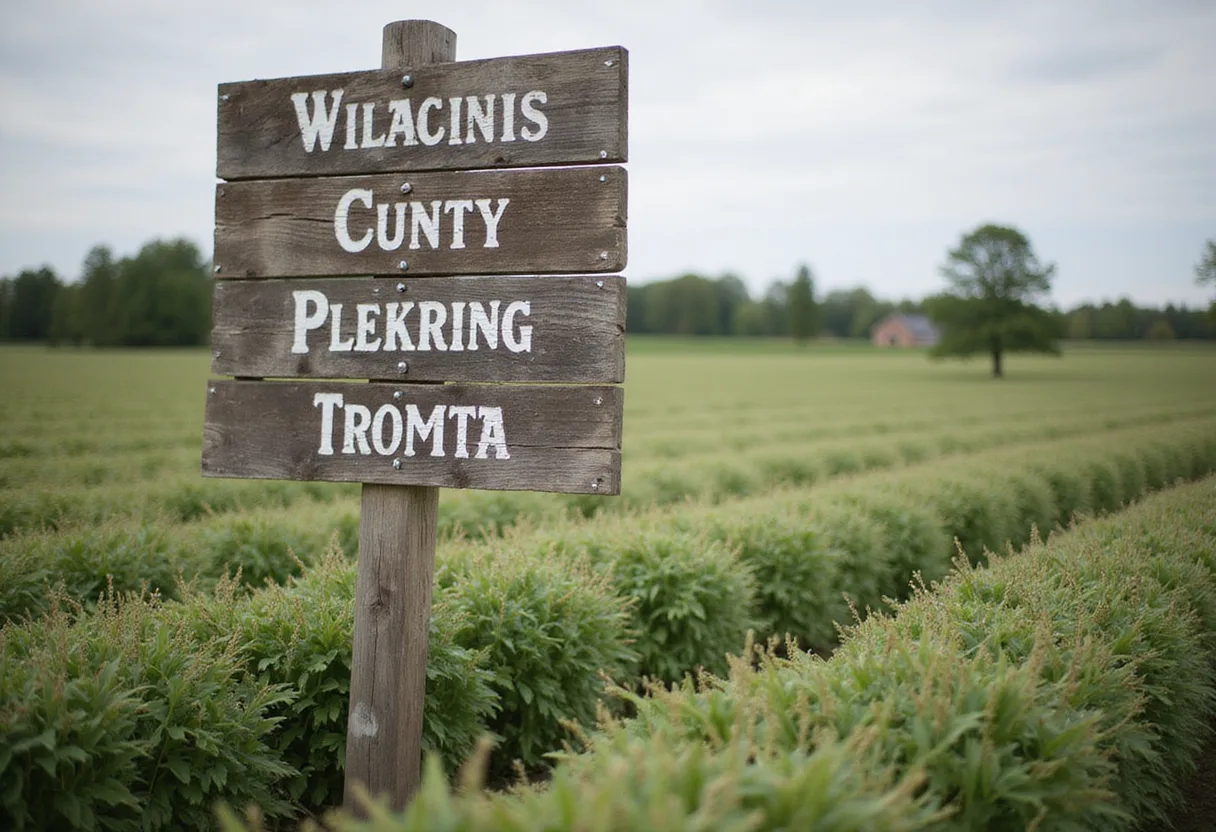
A new agreement promises Wisconsin farmers broader access to seed varieties, according to Wisconsin Public Radio.
The pact, announced in headline form by WPR, signals an effort to reshape seed selection — a foundational input decision for row crop, forage and small grain operations across Wisconsin's varied agronomic zones.
What seed variety agreements typically change
Seed variety deals involving public plant breeders, private seed companies, grower cooperatives and land-grant university programs generally reshape one or more of the following:
- Licensing terms for new hybrids and cultivars
- Royalty structures flowing to public breeding programs
- Trial networks run through extension services
- Access to traited genetics, including herbicide tolerance, insect resistance and disease packages
For Wisconsin farmers, the practical effect of any new agreement is measured at the farm gate: per-bag seed prices, trait fees, the count of available hybrids suited to local maturity zones, and the speed at which new releases reach commercial scale.
Why variety matters for Wisconsin margins
Wisconsin sits at the intersection of corn-belt and dairy-belt systems. Soybean and corn acreage, alfalfa stands and small grain rotations each depend on genetics tailored to short-season northern climates and a wide range of soil types — from heavy clay in eastern counties to silt loams of the central plains.
Seed cost ranks among the top variable input expenses for row crop operations. Any expansion of variety options puts pressure on seed marketers to compete on yield performance, agronomic fit and trait value, which can shift per-acre cost structures in either direction depending on how the agreement is structured. Variety access also matters for risk management: growers managing tight rotations or dealing with emerging disease and pest pressures often look to new genetics as a partial substitute for chemical controls.
What growers will watch next
Until the full text of the agreement and the identities of participating parties are disclosed, Wisconsin farmers and their input retailers will be looking for answers to specific questions:
- Which seed marketers, public breeders or cooperatives are signatories?
- Does the agreement add new varieties to existing catalogs or restructure licensing for established lines?
- How are trial data and performance results communicated through extension channels?
- What royalty or fee structure applies, and how does it compare with current pricing?
The next reporting cycle from WPR and Wisconsin's agricultural trade press will determine whether the agreement delivers the seed variety expansion its headline promises — or amounts to a narrower licensing arrangement with limited farm-level impact.
Forward outlook
For input retailers and cooperative agronomists, the agreement creates an early signal worth tracking through winter meeting season. Seed catalogs for the next planting cycle typically lock in by late fall, meaning any variety additions tied to the agreement would either appear in upcoming product guides or require a mid-cycle update for dealers already committed to existing lineups.
Grower reaction will likely hinge on whether the agreement surfaces new performance data, transparent pricing and clear trait options — or whether it amounts to a procedural adjustment that does not materially change what is available at the local dealer level. The full terms of the agreement, once released, will determine which outcome applies and how Wisconsin's seed market resets heading into the next planting decision.
via Google News: Seed industry (Source)
More from Nathan Brooks
Show full bio
Staff writer covering regulation, policy and their impact on Agribusiness coverage for industry professionals at Agribusiness Wire.
466 articles
Also in the yard
- New Seed Agreement Aims to Expand Variety Options for Wisconsin Farms
- Seed Industry Consolidation Continues, DTN Progressive Farmer Reports
- Updated Corn, Soybean Seed Lineups Roll Out for 2027 Season
- Seed Industry Pins Outlook on Farm Bill and Trade Policy
- Wisconsin Farmers Press Congress for Farm Bill Certainty