Lot No. LOT-3407 · offered October 13, 2026
Crop EconomicsLot sheet
Arkansas Rice Lands at 167 Bushels Per Acre as Heat Cuts Yield
Arkansas rice harvest lands at 167 bushels per acre, slightly under target, as heat and drought trim yields and raise questions for the 2027 season.
Market notes
- Arkansas rice averages 167 bushels per acre as harvest wraps up
- Yield sits slightly below target but near the overall state average, per Jarrod Hardke
- Heat and drought drove the shortfall, the University of Arkansas agronomist said
- Concerns now extend to the 2027 season
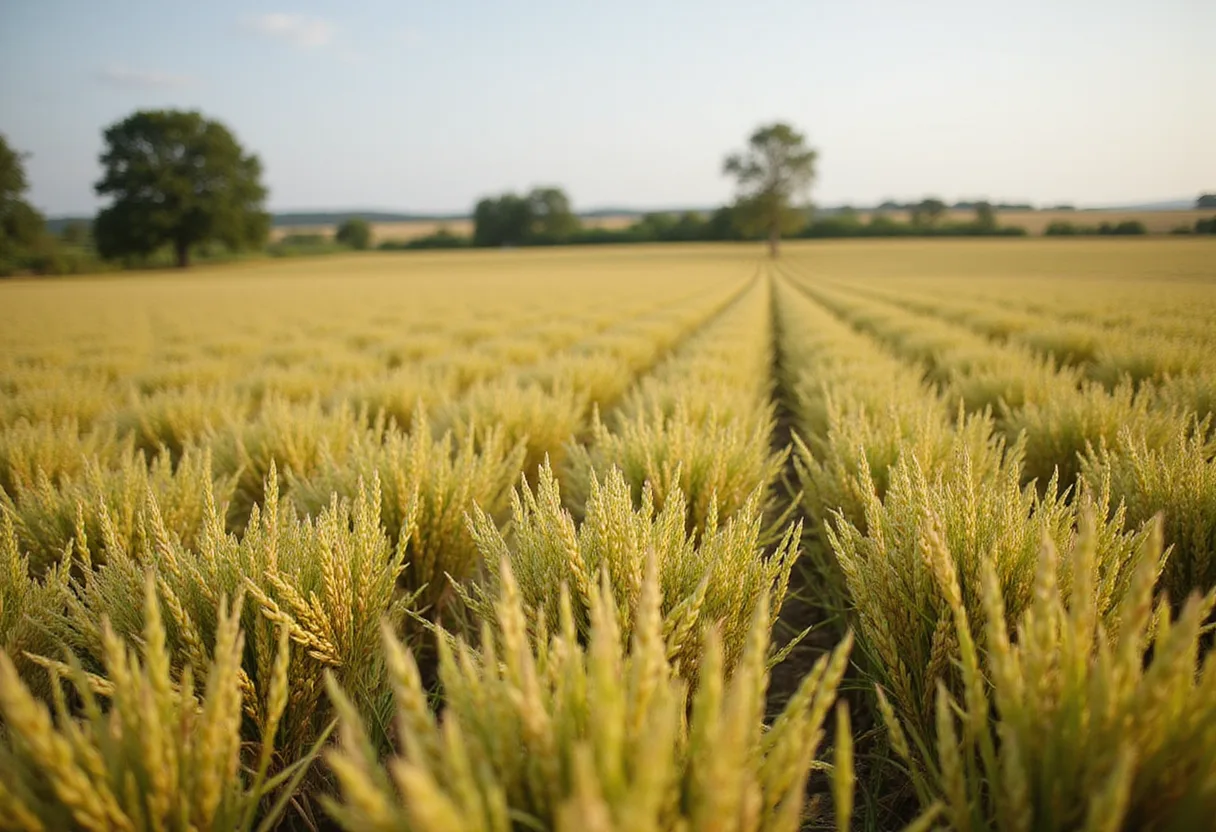
Arkansas rice is finishing harvest at an average of 167 bushels per acre, a figure University of Arkansas extension agronomist Jarrod Hardke calls slightly below target but close to a typical state average.
Hardke, speaking to Brownfield, attributed the disappointing yields to two weather pressures that ran through the growing season: heat and drought. His estimate comes as harvest wraps up across the state, which is the top rice-producing state in the country.
"I've got the average yield at 167 bushels per acre, slightly down from the target, but not by much from an overall state average yield," Hardke said.
The distinction matters for growers reading the number. A figure that sits below the agronomic target but near the historical state average signals a season that underperformed expectations without collapsing into a crop failure. For margins, that gap translates into fewer bushels to sell against fixed input costs — seed, fertilizer, fuel and irrigation water all spent at full rate for a smaller revenue base.
What does the number mean for growers?
Hardke's 167-bushel estimate is an extension calculation, not a harvested-weights report. It belongs in the category of condition and yield assessments that agronomists issue during and immediately after harvest, and it should be checked against USDA's formal production surveys once those reporting windows close. Extension estimates typically move markets less than official data, but they set expectations for it.
The yield math is straightforward for practitioners. Every bushel below target is revenue that does not arrive to cover per-acre costs that did not shrink with the weather. Heat during critical growth stages and drought stress through the season are the two causes Hardke named, and both carry agronomic consequences beyond this year's bin.
Why 2027 is already in the conversation
The headline concern attached to this harvest reaches further than the 2024 balance sheet. Persistent heat and drought stress raise questions about how the crop and the state's production system hold up if those conditions repeat. The framing of the story around 2027 signals that growers, extension staff and buyers are looking past one soft year toward the risk of a pattern.
For rice marketers, an Arkansas yield near the state average rather than above it trims the supply cushion. For input planning, a season like this one pushes attention toward variety selection, irrigation capacity and heat tolerance — decisions that get made well before the next planting window.
Hardke's assessment, delivered as harvest wraps up, gives Arkansas growers a first hard number to work from. What it changes is the baseline: the state enters the next planning cycle with confirmation that weather cost bushels, and the industry will watch whether 167 stands as a down year or the start of a trend.
via Brownfield Ag News (Source)
More from Rebecca Stone
Show full bio
Market editor covering people, launches and day-to-day practice in Agribusiness coverage for industry professionals at Agribusiness Wire.
431 articles
Also in the yard
- US Corn Harvest Posts Yields of 17.6 Tons per Hectare as Weather Disrupts Season
- Brownton grower tracks soybean yields near 80 bushels per acre
- September WASDE to Test USDA's 180.7 bpa Corn Yield
- One Farm, 1.15 Billion Management Pathways: K-State Puts Precision Ag Choices in Focus
- Stalled Farm Bill Tops Concerns for Illinois Soybean Association