Lot No. LOT-9753 · offered October 9, 2026
Crop EconomicsLot sheet
Carthage, Ill., corn tracks 15-20 bushels below 2025 as wet 2026 tests Harrells
Carthage, Ill., farmer Chris Harrell is tracking 2026 corn yields 15-20 bushels per acre below 2025, with 30 acres of down corn, $6 diesel and a wetter-than-average season testing three generations.
Market notes
- Chris Harrell's 2026 corn yields tracking 15-20 bushels per acre below 2025
- About 30 acres of down corn left standing for insurance inspection
- Farm diesel doubled from a $2.60-$2.70 spring contract to nearly $6 at harvest
- Soybean harvest about 25% complete, with yields running slightly above Harrell's five-year average
- Lawrence Harrell, 95, has farmed roughly 80 years and still oversees combine runs
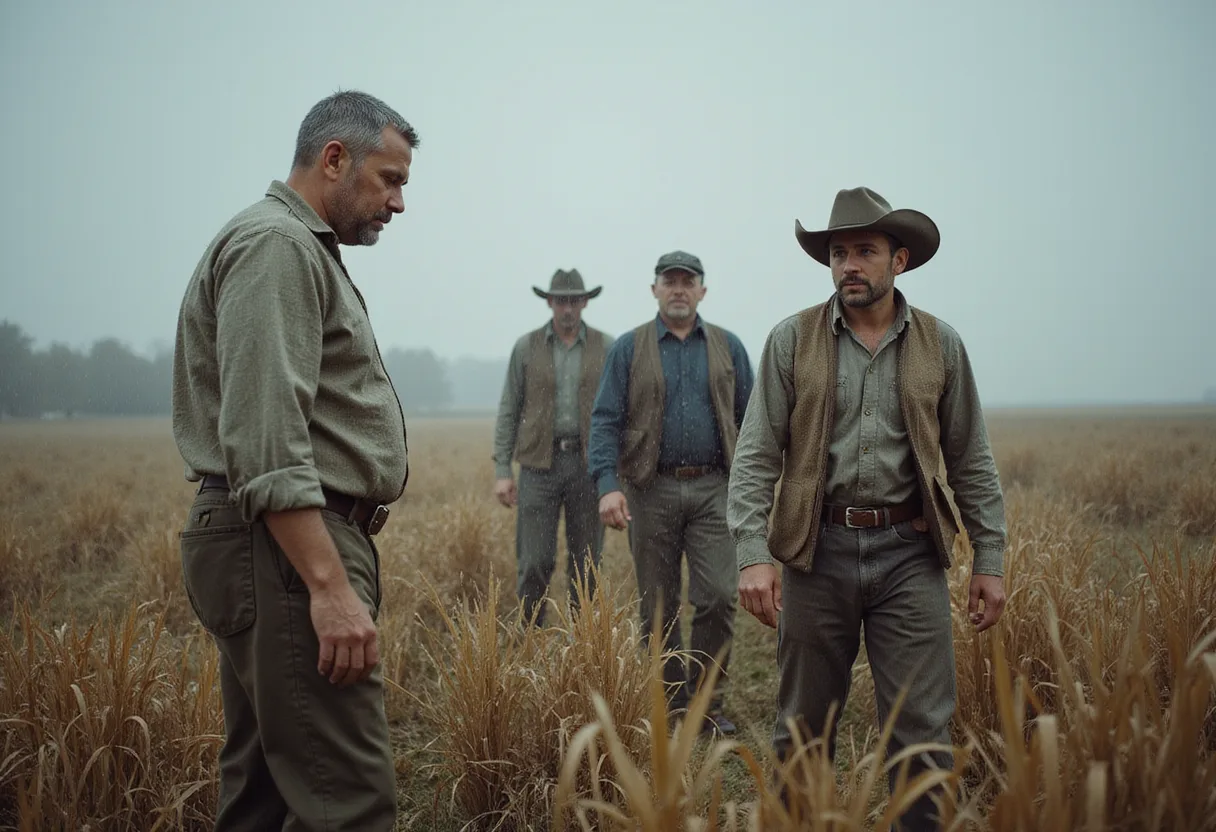
Carthage, Ill., farmer Chris Harrell is tracking corn yields 15 to 20 bushels per acre below 2025 as relentless rain and 30 acres of downed stalks define the 2026 harvest on a three-generation operation.
"Locally, the yield is a little bit of a disappointment this year around, so far," Harrell said on October 6. He left a dozen rows standing for an insurance adjuster after down corn claimed about 30 acres.
The bigger hit, he said, was weather: more than 7 inches of rain in June, plus another 7 inches in a three-day stretch in August, capped by roughly 10 days of cloudy weather that hurt grain fill.
How much rain did the Harrell farm absorb?
Spring planting stalled under wet April conditions. Rainfall accelerated in June, when more than 7 inches fell, then August delivered another 7 inches in a three-day window. Chris Harrell estimates the August cloud cover — roughly 10 days' worth — kept corn from finishing kernels and left this year's crop holding more moisture than in past seasons.
Are soybeans offsetting the corn shortfall?
Partially. Chris Harrell said he is roughly a quarter of the way through bean harvest, with yields running slightly above his five-year average. That gives the Carthage-area operation one bright spot in a year when input prices have moved sharply against the grower.
What is happening to input costs?
The Harrells contracted farm diesel at $2.60 to $2.70 a gallon in the spring. By harvest, the price had pushed to nearly $6 — more than double. Dave Harrell, Chris's father and the second-generation partner on the operation, said the move reflects the volatility growers must absorb each season.
"You know it could be worse, it's about revenue at the end of the year," Dave said. "We've got the volatility is always going to be there. You just deal with it and try to manage your risk and go on."
How much does a stronger board help?
For the Harrells, a lot. Chris Harrell said he would rather see $5 to $6 corn than pick up another 20 bushels of yield.
"Overall, I would say I'd rather see, personally would rather see the five to $6 corn ranges on price than I would an extra 20 bushel on yield," he said.
With prices in that range, revenue can offset the kind of in-field losses the family has logged this fall.
What does 80 years in the cab teach a farmer?
Perspective. Lawrence Harrell, 95, has farmed for roughly 80 years and still keeps an eye on the combine. Asked about 2026, he answered plainly: "It'll just be an average year, I think."
Lawrence grew up hand-shucking corn, then watched mounted corn pickers and self-propelled combines replace the labor. His son Dave and grandson Chris now run the farm together.
Lawrence's read on the season echoes a sentiment that runs through every harvest: weather, not technology, still decides the outcome.
With corn harvest underway and bean cutting roughly a quarter complete, the Harrells' remaining margin will hinge on how the rest of the season shakes out and whether the board holds the $5 to $6 range Chris now counts on.
via assets.farmjournal.com (Original)
More from Grace Kim
Show full bio
Correspondent covering people, launches and day-to-day practice in Agribusiness coverage for industry professionals at Agribusiness Wire.
453 articles